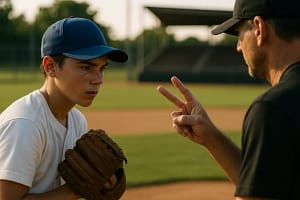
Texas’s diverse climate can make choosing the right youth baseball training facility a challenge for parents.
The state’s weather conditions can significantly impact outdoor baseball sessions, making it essential to consider both indoor and outdoor options.
In Texas, where weather varies greatly, having the right training environment is crucial for young athletes to develop their skills effectively.
Key Takeaways
- Texas’s climate affects outdoor baseball training.
- Indoor facilities offer a consistent training environment.
- Outdoor facilities provide real-game conditions.
- Combining both can be beneficial for youth baseball training.
- Location and accessibility are crucial factors.
The Texas Baseball Context
Texas’s diverse climate, ranging from hot summers to mild winters, plays a significant role in determining the best approach to baseball training. The state’s vast geographical expanse means that weather conditions can vary significantly across different regions.
Climate Considerations
The hot Texas summers can be particularly challenging for outdoor baseball training. High temperatures and humidity can lead to dehydration and heat exhaustion among young athletes. In contrast, the mild winters, while generally more favorable, can still see occasional cold fronts that might affect training.
To mitigate these climate-related challenges, many Texas youth baseball programs are turning to weatherproof baseball practice facilities. These indoor facilities allow for consistent training schedules, unaffected by the external weather conditions.
Demand for Facilities
The demand for baseball training facilities in Texas is exceptionally high, driven by the state’s passion for the sport. With numerous baseball leagues and a large number of young athletes, Texas youth training venues are in high demand.
- Top-tier facilities with advanced training equipment are particularly sought after.
- There is a growing need for facilities that can accommodate large groups and offer flexible scheduling.
- Programs that combine indoor and outdoor training options are becoming increasingly popular.
Advantages of Indoor Facilities
Texas’s indoor baseball training barns are changing the game for youth baseball. By providing a controlled environment, these facilities allow for year-round training without the interruptions caused by weather conditions.
Consistent Scheduling
One of the primary benefits of indoor facilities is the ability to maintain a consistent training schedule. Unlike outdoor facilities, which can be affected by rain, heat, or other weather conditions, indoor facilities ensure that young athletes can train regularly.
This consistency is crucial for developing skills and building team cohesion. Coaches can plan practices and training sessions without worrying about the weather, allowing for more effective training programs.
Technology & Equipment Access
Indoor facilities often come equipped with the latest technology and training equipment. This can include video analysis tools, pitching machines, and advanced batting cages.
Such equipment enables coaches to provide detailed feedback and helps players improve their techniques more efficiently. For instance, video analysis can help identify and correct flaws in a player’s swing or pitching form.
Example: DFW Indoor Sports, Prime Performance
Facilities like DFW Indoor Sports and Prime Performance are leading the way in providing top-notch indoor training environments. These facilities offer a range of services, from private coaching to group training sessions, and are equipped with state-of-the-art equipment.
| Facility | Services | Equipment |
|---|---|---|
| DFW Indoor Sports | Private Coaching, Group Sessions | Video Analysis, Pitching Machines |
| Prime Performance | Batting Cages, Strength Training | Advanced Batting Cages, Strength Training Equipment |
Advantages of Outdoor Facilities
Texas’s outdoor facilities are a boon for youth baseball, offering real-game scenarios that help young players prepare for actual matches. Outdoor baseball fields in Texas provide an ideal environment for youth baseball training, allowing players to develop their skills in a natural setting.
Real-Game Scenarios
Outdoor facilities mimic the conditions of actual baseball games, helping players get accustomed to the game’s dynamics. This includes adapting to sunlight, wind, and varied playing conditions. Training in such environments prepares players for the challenges they will face during competitive matches.
Fielding/Throwing Space
Outdoor fields offer ample space for fielding and throwing drills, which are crucial for developing a player’s defensive skills. Players can practice catching, throwing, and running in a more realistic environment. This kind of training is essential for improving reaction times and overall fielding abilities.
Example: Local Parks, School Fields
Local parks and school fields are excellent examples of outdoor facilities that can be utilized for youth baseball training. These venues are often readily available and provide a familiar setting for young athletes. Utilizing local parks and school fields can also foster a sense of community among young players.
To further illustrate the benefits of outdoor facilities, let’s consider a comparison with indoor facilities for certain aspects of baseball training.
| Aspect | Indoor Facilities | Outdoor Facilities |
|---|---|---|
| Real-Game Scenarios | Limited; lacks real-game conditions | High; mimics actual game conditions |
| Fielding/Throwing Space | Limited space; restricted drills | Ample space; varied drills possible |
| Weather Conditions | Controlled environment | Variable; includes weather factors |
| Availability | Often requires booking; limited hours | Generally more accessible; varies by location |
In conclusion, outdoor baseball fields in Texas offer a unique set of advantages for youth baseball training. By leveraging local parks and school fields, young athletes can benefit from real-game scenarios and ample space for fielding and throwing drills.
How to Choose for Your Child
The decision on where to train your child for baseball in Texas can be simplified by understanding their specific needs. Choosing the right Texas youth training venues involves evaluating several factors to ensure your child gets the best possible baseball training.
When considering baseball training for your child, their age is a crucial factor. Younger players typically require fundamental skill development, focusing on basic throwing, catching, and batting techniques.
Age
For children under 8, the emphasis should be on fun, engaging drills that improve basic motor skills. Facilities that offer programs tailored to young beginners can provide a supportive environment for initial skill development.
Training Goals
Understanding your child’s training goals is vital. Are they looking to improve overall fitness, master specific baseball skills, or prepare for competitive play? Different facilities may specialize in various aspects of baseball training, so aligning their goals with the right program is key.
Logistics
Logistical considerations, such as the facility’s location, scheduling, and cost, also play a significant role. Parents should evaluate whether the facility’s schedule aligns with their child’s availability and whether the costs fit within their budget.
| Age Group | Primary Focus | Recommended Facility Type |
|---|---|---|
| Under 8 | Basic Motor Skills, Fun Drills | Indoor/Outdoor Facilities with Beginner Programs |
| 8-12 | Skill Development, Teamwork | Facilities with Coaches Experienced in Youth Development |
| 13 and Above | Advanced Techniques, Competitive Training | Specialized Baseball Training Centers |
By considering these factors and evaluating the available Texas youth training venues, parents can make an informed decision that supports their child’s baseball aspirations.
Hybrid Programs
Combining the best of both worlds, hybrid programs offer a comprehensive training experience for young baseball players in Texas. These programs leverage the advantages of both indoor and outdoor training facilities to provide a well-rounded training regimen.
Opportunities Involving Both
Hybrid programs are designed to utilize indoor baseball Texas facilities during unfavorable weather conditions and outdoor baseball fields Texas when the weather permits. This approach allows players to benefit from consistent training throughout the year, regardless of the season.
Some of the key benefits of hybrid programs include:
- Flexibility in training schedules
- Access to a variety of training environments
- Comprehensive skill development through diverse training methods
For instance, a hybrid program might use indoor facilities for technical skill development and outdoor fields for simulated game scenarios. This blend of training environments helps players prepare for various game situations and conditions.
Example of a Hybrid Program:
| Training Aspect | Indoor Facility | Outdoor Facility |
|---|---|---|
| Technical Skills | Batting practice, pitching mechanics | Fielding drills, throwing practice |
| Game Scenarios | Simulated game situations | Live game scenarios, situational training |
| Physical Conditioning | Strength training, agility drills | Endurance training, sprint drills |
As John Smith, a renowned baseball coach, notes, “Hybrid programs are the future of baseball training. They offer a balanced approach that prepares players for the demands of the game.”
“The flexibility of hybrid programs allows us to tailor our training to the needs of each player, ensuring they receive the best possible preparation for competition.”
Cost Comparison
The cost of baseball training facilities in Texas can vary widely, depending on whether you choose an indoor or outdoor facility. Understanding these costs is essential for making an informed decision that fits your budget.
Facility Access Fees
Facility access fees are a significant component of the overall cost. Indoor facilities, such as baseball training barns, often charge higher access fees due to the controlled environment and specialized equipment. For instance, indoor facilities like DFW Indoor Sports may charge membership or hourly rates that can range from $20 to $50 per hour, depending on the services and equipment provided.
In contrast, outdoor facilities typically have lower operational costs and may offer more competitive pricing. Local parks and school fields, for example, might charge minimal or no fees for casual practice sessions, although organized training programs may still incur costs.
Rentals and Group Rates
For teams or groups, rental rates and group discounts become important factors. Indoor facilities often offer package deals or group rates that can reduce the cost per player. For example, a baseball training barn might offer a discounted rate for a team that books multiple hours of practice per week.
Outdoor facilities also offer rental options, especially for organized teams. The cost can vary based on the quality of the facilities and the services provided, such as maintenance and supervision.
When comparing costs, it’s essential to consider not just the base rental or access fee but also any additional costs, such as equipment rental, coaching fees, and maintenance costs. By understanding the full cost structure, you can make a more informed decision about whether an indoor or outdoor facility is the best choice for your child’s baseball training.
Parent and Coach Testimonials
The experiences of parents and coaches with Texas youth training venues offer valuable perspectives on what works best for young athletes. Their testimonials provide insights into the effectiveness of various training programs, helping prospective parents make informed decisions.
Many parents have praised indoor facilities like DFW Indoor Sports for their comprehensive training programs and state-of-the-art equipment. “The structured environment and access to advanced technology have significantly improved my child’s skills,” said one parent.
Coaches also appreciate the flexibility offered by hybrid programs that combine indoor and outdoor training. “Being able to switch between indoor and outdoor facilities allows us to adapt our training to the athletes’ needs and weather conditions,” noted a coach.
Some key benefits highlighted by parents and coaches include:
- Improved player skills through consistent and high-quality training
- Access to experienced coaches and trainers
- Flexibility in scheduling and training environments
As one coach succinctly put it, “The right training facility can make all the difference in a young athlete’s development.” By considering the experiences of others, parents can choose the best youth baseball training programs in Texas for their children.
FAQ: Facility Questions
The decision between indoor and outdoor baseball training facilities in Texas can be daunting; here are some answers to common questions.
What are the benefits of indoor baseball training in Texas?
Indoor baseball training facilities in Texas, such as DFW Indoor Sports, offer consistent scheduling regardless of the weather outside. They also provide access to advanced technology and equipment for improved training.
Are outdoor baseball fields in Texas suitable for year-round training?
Outdoor baseball fields in Texas, like local parks and school fields, are ideal for training during favorable weather conditions. However, they may not be suitable for year-round training due to Texas’s varied climate.
How do costs compare between indoor and outdoor facilities?
Costs vary between indoor and outdoor facilities. Indoor facilities may charge more due to the overhead costs of maintaining an indoor environment. However, many facilities offer group rates and package deals that can make training more affordable.
When choosing a baseball training facility in Texas, consider factors like your child’s age, training goals, and logistical considerations to make an informed decision.
Conclusion
Selecting the ideal baseball training facility for your child in Texas involves considering several factors, including climate, cost, and training objectives. By weighing the benefits of indoor and outdoor facilities, parents can make an informed decision that supports their child’s baseball development.
Texas youth training venues offer a range of options, from indoor facilities like DFW Indoor Sports to outdoor fields at local parks. Hybrid programs that combine both indoor and outdoor training can provide a well-rounded baseball experience.
Ultimately, the best baseball training facility for your child will depend on their age, skill level, and training goals. By understanding the advantages of different training environments, parents can help their child develop their skills and achieve success in baseball.