The DF DUB Tournament gives Texas baseball families a clear weekend setting for player growth: age-group competition, game pressure, and coach feedback in a local tournament format. The Madness in July Tournament is listed for July 25-26, 2026, at Grimes Park in DeSoto, Texas, according to the DF DUB schedule.
For young players, a tournament weekend is not just about the final score. It is a chance to see how practice habits hold up against live pitching, baserunning reads, defensive communication, and dugout routines. For parents and coaches, it can show where a player is ready for more challenge and where the next training block should slow down and build a stronger base.
How The DF DUB Tournament Fits Player Growth
Why Local Game Reps Matter
Youth players need game repetition that matches their stage. A 7U player may still be learning how to stay ready between pitches. An 8U player may be working on throwing through the cutoff. A 9/10U player may be starting to understand count leverage, steal timing, and how to recover after an error. The DF DUB Tournament format can help coaches measure those habits in a real game setting, without having to guess from practice alone.
The value is especially clear in Texas, where baseball families often build weekends around local fields, heat management, and tournament schedules. A DeSoto event can reduce long travel for Dallas-area teams while still giving players a chance to face unfamiliar opponents. That matters because young athletes often learn faster when they are challenged, but not overwhelmed.
DF DUB Tournament Reps By Age Band
The listed divisions include 7U, 8U, and combined 9/10U teams, giving coaches a way to place players with peers close to their age and baseball stage, based on the event listing at the official tournament page. That age grouping helps create a fairer learning environment. It also lets coaches set realistic goals before the first pitch.
| Division | Development Focus | Coach Watch Point |
|---|---|---|
| 7U | Basic throwing, field awareness, listening between pitches | Does the player reset after each play? |
| 8U | Routine defensive outs, baserunning decisions, contact quality | Does the player understand where the next play is? |
| 9/10U | Situational hitting, pitch recognition, defensive communication | Can the player adjust after one tough at-bat or inning? |
Age Groups And Game Context
Keeping The Challenge Age-Appropriate
Age rules matter in youth baseball because a few months of physical growth can change arm strength, bat speed, and confidence. The tournament listing states that baseball age eligibility uses a May 1 birthday cutoff and includes provisions for players in 6th through 8th grades. Those details help teams sort players into a setting that better fits their development stage.
For coaches, the DF DUB Tournament can serve as a mid-summer check on player progress. A player who handles 7U ground balls well may need more work on throwing accuracy. An 8U hitter who puts the ball in play may need to learn better pitch selection. A 9/10U catcher may be ready for more responsibility with signs, blocks, and calming a pitcher after a walk.
What Coaches Can Track During Games
The best player development notes are simple and specific. Coaches do not need a long scouting sheet for a young athlete. They need a few clear markers that connect the game back to the next practice. Did the player get into an athletic fielding position before contact? Did the outfielder back up a throw? Did the hitter swing at strikes? Did the pitcher breathe and reset after missing the zone?
Those notes help keep postgame feedback supportive. Instead of telling a player, “You need to play better,” a coach can say, “Your ready position improved today, and this week we will work on throwing through the target.” That kind of feedback builds trust and gives the player a task they can act on.
Planning The DF DUB Tournament Weekend
Costs And Family Logistics
The tournament listing says entry fees are waived for all age divisions, while “pay at the plate” fees range from $30 to $55 per team, depending on the age group. It also lists a $10 gate fee for spectators ages 13-64, with ages 12 and under free and ages 65 and older free with valid ID.
Those details matter for team planning. A coach or team parent can set expectations before the weekend so families know what to bring, what they may need to pay, and how to plan around arrival time. Younger players often perform better when the adults around them are calm and organized. That starts with clear messages about field location, warm-up time, water, snacks, and shade.
- Before the event: Review the schedule, confirm the age division, and share arrival plans with families.
- During warm-ups: Keep drills short, active, and age-appropriate so players are ready but not worn down.
- Between games: Prioritize hydration, shade, and simple feedback rather than long lectures.
- After the weekend: Turn game notes into two or three practice goals for the next week.
Why The Timing Matters For Texas Teams
A late-July tournament in North Texas comes during a stretch when heat and fatigue can affect focus. The listed dates of July 25-26 mean coaches should treat energy management as part of player development. Short pregame talks, planned rest between games, and steady water breaks can help young athletes stay engaged and safe.
National participation also gives context for why local events have value. A youth baseball participation report listed 8.2 million players ages 6-18 in 2023 and a 22% increase from 2021-2022, according to a youth participation report. With that level of interest, local tournament settings can help families find meaningful competition without treating every weekend like a college showcase.
Coaching Priorities For DeSoto Game Reps
Skill Goals By Player Stage
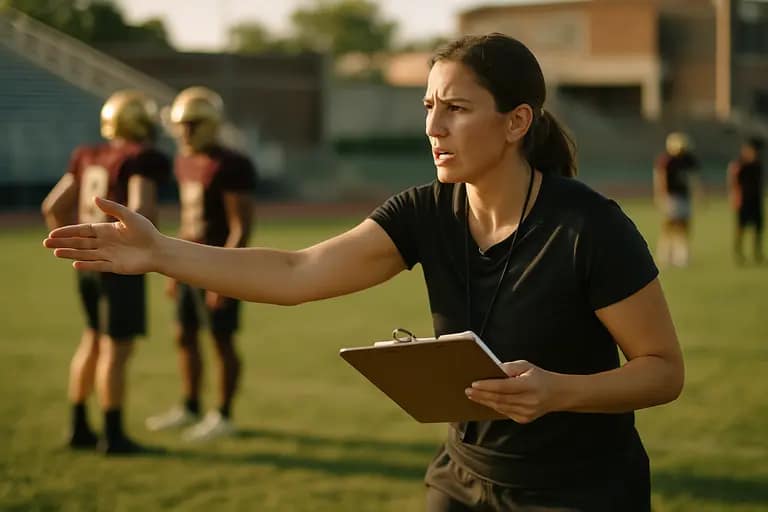
Coaches can use tournament games to sort training into three buckets: physical skill, baseball understanding, and emotional response. Physical skill includes throwing, catching, hitting, and running. Baseball understanding includes where to throw the ball, how to read a coach, and how to know the number of outs. Emotional response includes how a player handles a strikeout, a bad hop, or a long inning.
At 7U and 8U, praise should often connect to effort and awareness. A player who backs up first base or calls for a fly ball is showing growth, even if the play is not perfect. At 9/10U, coaches can add more detail, such as situational hitting, first-step quickness, or getting the lead runner when the play allows it. The goal is to keep feedback firm, clear, and age-appropriate.
Turning Tournament Notes Into Training
A weekend like the DF DUB Tournament should not end with a scorebook closing and everyone moving on. The best use of the event is the practice plan that follows. If players struggled with force plays, the next practice can start with base-out situations. If hitters chased high pitches, batting practice can include strike-zone work. If pitchers rushed after walks, bullpens can include reset routines.
This is where local youth baseball can be powerful. Coaches see players in real situations, then bring the lesson back to practice. Parents also get a clearer view of what their child is learning. That shared understanding can reduce pressure and keep the focus on steady growth.
What Texas Families Can Take From The DF DUB Tournament
A Practical Player Development Lens
The DF DUB Tournament gives families a practical way to look at baseball growth. It is not a guarantee of future success, and it should not be treated as a final judgment on any young player. It is a weekend of reps, competition, and teachable moments at Grimes Park in DeSoto.
For Texas baseball families, the best question after the event is not only, “Did we win?” Better questions are: Did the players compete with focus? Did they learn a new situation? Did they support teammates? Did the coaches leave with clear practice goals? When the answers point toward growth, the tournament has served a real purpose in the youth baseball pipeline.