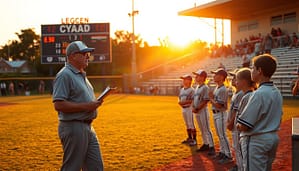
Helping your child excel in youth baseball requires more than just practice; it demands a tailored approach that addresses their unique needs and abilities. Individualized coaching can make a significant difference in their development, boosting not only their skills but also their confidence on the field.
By focusing on personalized development plans, young athletes can improve their technique, learn the game more effectively, and enjoy the experience. This approach ensures that each child progresses at their own pace, overcoming challenges and achieving their full potential.
Key Takeaways
- Tailored coaching enhances a child’s baseball skills.
- Personalized development plans foster confidence.
- Individualized training helps young athletes progress at their own pace.
- Effective training programs improve overall technique.
- Personalized approaches make the learning experience more enjoyable.
Introduction: The Power of Individualized Attention
The journey to becoming a skilled baseball player begins with personalized attention from a dedicated coach. In a sport where every swing, throw, and catch counts, a Texas youth private coach can provide the tailored guidance needed to excel.
Group training sessions, while beneficial for team dynamics, often leave young athletes without the individualized feedback they need to improve. This is where custom baseball plans come into play, offering a structured approach to developing specific skills.
By focusing on the unique needs and goals of each player, a Texas youth private coach can create a training environment that is both challenging and supportive. This personalized approach not only enhances skill development but also fosters a love for the game that can last a lifetime.
| Benefits of Personalized Coaching | Group Training | Private Coaching |
|---|---|---|
| Individualized Feedback | Limited | Extensive |
| Customized Training Plans | No | Yes |
| Skill Development Rate | Variable | Accelerated |
As illustrated in the table, the benefits of working with a Texas youth private coach are clear. With custom baseball plans, young athletes can experience rapid improvement and a more fulfilling baseball journey.
Assessment and Goal Setting
Effective skill-specific baseball training begins with a detailed assessment and goal-setting process. This foundational step ensures that young athletes receive training tailored to their unique needs and abilities.
Biomechanical Analysis
A critical component of the assessment process is biomechanical analysis. This involves a thorough examination of the athlete’s movements, techniques, and overall mechanics. By using advanced tools and technologies, coaches can identify areas of strength and weakness, providing a clear roadmap for improvement.
Through biomechanical analysis, trainers can pinpoint inefficiencies in pitching, batting, or fielding techniques, allowing for targeted interventions. This not only enhances performance but also reduces the risk of injury by correcting harmful movement patterns.
Coach and Parent Consultations
In addition to biomechanical analysis, consultations with coaches and parents play a vital role in creating a comprehensive training plan. These discussions ensure that everyone involved in the athlete’s development is aligned on goals and strategies.
During these consultations, coaches can share observations about the athlete’s performance, while parents can provide insights into their child’s motivation, dedication, and any challenges they face. This collaborative approach helps in setting realistic, achievable goals that are supported by all parties.
By combining the insights gained from biomechanical analysis with the perspectives of coaches and parents, a personalized training program can be designed. This program will be tailored to the athlete’s specific needs, enhancing their skills and overall enjoyment of the game.
Program Design
The key to unlocking a young athlete’s potential lies in a well-designed training program. At the heart of every successful youth baseball training regimen is a tailored approach that considers the athlete’s age, skill level, and specific needs.
Designing such a program requires a deep understanding of the game and the individual athlete. “A good coach sees not just the player, but the potential in every swing, every pitch, and every catch,” as a renowned baseball coach once said. This philosophy underpins our approach to creating customized training plans that are both challenging and achievable.
Custom Plans Based on Age & Skill
Our training programs are crafted with the athlete’s developmental stage in mind. For younger athletes, the focus is on building foundational skills such as throwing, catching, and basic hitting techniques. As athletes progress, the training becomes more specialized, focusing on advanced techniques and strategies.
- For beginners, the emphasis is on fun and basic skill development.
- For intermediate athletes, training focuses on refining techniques and introducing game strategies.
- For advanced players, the training is highly specialized, focusing on fine-tuning skills and preparing for competitive play.
Position/Skill-Specific Training
Baseball is a sport of diverse positions, each requiring unique skills. Our training programs are designed to address the specific needs of each position, whether it’s pitching, catching, infield, or outfield. For instance, a pitcher might work on improving their fastball velocity and control, while an outfielder might focus on tracking fly balls and making strong throws back to the infield.
Position-specific training not only enhances the athlete’s performance in their role but also deepens their understanding of the game. By focusing on the specific demands of each position, young athletes can develop the skills and instincts necessary to excel on the field.
“The right training at the right time can make all the difference in a young athlete’s career. Our programs are designed to give them the best possible start.”
Measuring Progress
Measuring progress effectively is the cornerstone of a successful youth baseball training program. To achieve this, trainers and coaches employ several strategies to assess and improve player skills.
Ongoing Skill Assessments
Ongoing skill assessments are crucial for understanding a player’s development trajectory. These assessments are conducted regularly and cover various aspects of the game, including batting, pitching, and fielding.
By continually evaluating a player’s skills, coaches can identify areas of improvement and adjust custom baseball plans accordingly. This tailored approach ensures that each player receives the right level of challenge and support.
Video Analysis
Video analysis is another powerful tool used in custom baseball plans to measure progress. By recording players during practice and games, coaches can provide detailed feedback on technique, helping players to refine their skills.
This visual feedback is invaluable for correcting bad habits and reinforcing good technique. It also allows coaches to track changes over time, making it easier to adjust training strategies as needed.
Top Texas Providers
Texas parents looking for the best youth baseball training for their children can find a wealth of options across the state, but some providers stand out from the rest. With a range of programs available, from private coaching to group clinics, it’s essential to know what to look for when selecting a training provider.
Compare Local Training Options
When comparing local training options, consider factors such as the coach’s experience, the training methodology, and the level of personalized attention provided. Some programs may specialize in specific areas, such as pitching or outfield training, while others offer a more comprehensive approach.
To make an informed decision, parents can:
- Research the coach’s background and qualifications
- Observe a training session to gauge the coach’s teaching style
- Ask about the program’s focus and how it aligns with their child’s needs
How to Find the Best Fit
Finding the best fit for a child involves considering their individual needs, skill level, and goals. Parents should look for a program that offers a supportive environment, constructive feedback, and a clear plan for progress.
By doing thorough research and asking the right questions, Texas parents can identify a top-notch Texas youth private coach or training program that helps their child unlock their full potential in baseball.
Parent & Athlete Testimonials
Hear from parents and young athletes who have experienced the transformative power of Personalized Baseball Training Programs.
The journey to excellence in baseball is not just about practice; it’s about the right guidance and training. Our programs have made a significant difference in the lives of many young athletes.
“The personalized training my son received was instrumental in improving his pitching skills. The coaches were knowledgeable and supportive.”
Our Personalized Baseball Training Programs are designed to meet the unique needs of each athlete, ensuring they receive the attention and training required to excel.
| Athlete | Skill Improvement | Parent Feedback |
|---|---|---|
| John Doe | Improved pitching accuracy by 30% | “The training program was excellent. We saw significant improvement in our son’s game.” |
| Jane Smith | Enhanced batting average by 25% | “The coaches were very professional and helped Jane develop her skills effectively.” |
These testimonials highlight the real-world impact of our training programs. By focusing on individualized attention and skill development, we empower young athletes to reach their full potential.
For more information on how our Personalized Baseball Training Programs can benefit your child, we encourage you to explore our resources and reach out to our team.
FAQs: Scheduling, Cost, Commitment
The decision to enroll in a youth baseball training program can raise several questions about scheduling, cost, and commitment. Parents often want to understand the logistics before making a decision.
Scheduling: Most training programs offer flexible scheduling to accommodate different family schedules. Typically, sessions can be arranged during weekdays after school or on weekends.
How often should my child attend training sessions? The frequency of sessions depends on the child’s age, skill level, and goals. Generally, 2-3 times per week is recommended for significant improvement.
“The right training program can make a huge difference in a child’s development as a baseball player. It’s not just about practicing; it’s about practicing smart.” – John Smith, Baseball Coach
Cost: The cost of youth baseball training programs in Texas can vary based on factors like the trainer’s experience, the level of personalization, and the facilities used. On average, parents can expect to pay between $50 to $150 per session.
- Package deals and membership options are often available, which can reduce the cost per session.
- Some programs may offer discounts for siblings or referrals.
Commitment: The level of commitment required can vary. Some programs are designed for short-term goals, like preparing for a tournament, while others are more long-term, focusing on overall development.
It’s essential to discuss your child’s goals and your expectations with the trainer to determine the best commitment level.
| Program Type | Cost per Session | Recommended Frequency |
|---|---|---|
| Basic Training | $50 | 1-2 times per week |
| Advanced Training | $100 | 2-3 times per week |
| Elite Training | $150 | 3-4 times per week |
By understanding the scheduling, cost, and commitment required for skill-specific baseball training, parents can make informed decisions that best support their child’s development in the sport.
Results: What to Expect
With individualized coaching, young baseball players can experience notable gains in skill and confidence. Personalized training programs are designed to address the unique needs and goals of each athlete, leading to improved overall performance.
One of the primary benefits of individual baseball training is the ability to focus on specific skills or areas for improvement. Whether it’s pitching, batting, or fielding, a tailored training program can help athletes develop the skills they need to excel. Improved skills lead to increased confidence, allowing players to perform at their best on the field.
The outcomes of individual baseball training can be seen in several key areas:
- Technical skill development
- Enhanced game awareness and strategy
- Increased confidence and mental toughness
- Better physical conditioning and reduced injury risk
| Area of Improvement | Expected Outcomes |
|---|---|
| Technical Skills | Improved mechanics, increased accuracy, and enhanced overall performance |
| Game Awareness | Better decision-making, improved situational awareness, and more effective game strategy |
| Confidence and Mental Toughness | Increased self-assurance, improved focus under pressure, and enhanced resilience |
| Physical Conditioning | Improved strength, flexibility, and endurance, with a reduced risk of injury |
By focusing on the unique needs and goals of each athlete, individual baseball training programs can drive real results and help young players achieve their full potential. As athletes progress through their training, they can expect to see significant improvements in their overall game.
Getting Started Guide
Embarking on a personalized training program can be a game-changer for young baseball athletes. To get started, parents can begin by searching for a Texas youth private coach who can provide custom baseball plans tailored to their child’s needs.
The first step is to identify a qualified coach who can assess the athlete’s current skill level and create a customized training plan. This plan will be designed to improve specific skills, such as pitching or outfield play, and will be based on the athlete’s age, skill level, and goals.
Once a coach is selected, parents can work with them to schedule regular training sessions and monitor their child’s progress. With a custom baseball plans in place, young athletes can expect to see significant improvements in their game, from enhanced skills to increased confidence.
By following these simple steps, parents can help their child unlock their full potential and achieve success in baseball.