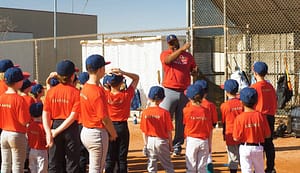
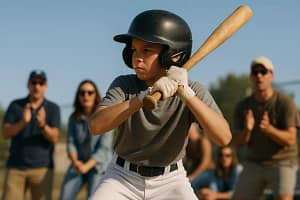
Youth baseball in Texas is a thriving sport, with many young athletes eager to make a name for themselves on the field. However, the risk of injury is a significant concern, particularly when it comes to arm health. Proper arm care and strength training are crucial for preventing injuries and ensuring these young players can perform at their best.
Effective baseball strength programs can help youth players build resilience and enhance their overall performance. By focusing on arm care youth baseball principles, parents and coaches can help young athletes develop the skills and physical strength needed to succeed in the sport.
Key Takeaways
- Proper arm care is essential for preventing injuries in youth baseball.
- Strength training programs can enhance young athletes’ performance and resilience.
- Parents and coaches should prioritize arm health and strength development.
- Effective training programs can help young players succeed in baseball.
- Arm care and strength training are critical for youth baseball players in Texas.
Why Arm Care is Critical for Youth
Youth baseball thrives on talent and dedication, but without proper arm care, young players are at risk of serious injury. As baseball continues to grow in popularity among young athletes, the incidence of pitching injuries has become a significant concern. Effective arm care is not just about preventing injuries; it’s also about ensuring that young players can perform at their best.
One of the most significant challenges facing young baseball players today is the risk of overuse injuries, particularly to the elbow and shoulder. Tommy John syndrome, a condition characterized by damage to the ulnar collateral ligament, has become increasingly common among youth pitchers. This injury often requires surgery and extensive rehabilitation, potentially sidelining young athletes for a significant portion of their season or even their career.
Common Baseball Injuries and How to Prevent Them
Understanding the common injuries that affect youth baseball players is crucial for developing effective prevention strategies. Some of the most prevalent injuries include:
- Tommy John syndrome: As mentioned, this is a serious injury that requires medical attention.
- Shoulder impingement: This occurs when the tendons in the shoulder are irritated or inflamed.
- Elbow strains: Overuse or improper pitching mechanics can lead to strains in the elbow.
Preventing these injuries involves a multi-faceted approach that includes proper pitching mechanics, adequate rest, and a well-structured arm care routine. By focusing on exercises that strengthen the muscles around the shoulder and elbow, young players can reduce their risk of injury.
| Injury | Causes | Prevention Strategies |
|---|---|---|
| Tommy John Syndrome | Overuse, poor pitching mechanics | Strengthening forearm and shoulder muscles, proper warm-up routines |
| Shoulder Impingement | Overuse, poor throwing mechanics | Shoulder strengthening exercises, avoiding overuse |
| Elbow Strains | Overuse, improper pitching mechanics | Elbow strengthening exercises, adequate rest between pitching appearances |
By understanding the risks and taking proactive steps, young baseball players can enjoy the game while minimizing their risk of injury. Effective arm care is key to a long and healthy baseball career.
Essential Strength Training
Essential strength training is a cornerstone for young baseball players in Texas, enhancing their performance and reducing the risk of injury. A well-structured strength training program focuses on building resilience in the shoulders, elbows, and back, which are critical for the demands of baseball.
Exercises: Shoulders, Elbows, Back
To develop strength in these areas, young athletes can engage in a variety of exercises. For the shoulders, resistance band rotations and light dumbbell shoulder presses are effective. For the elbows, elbow flexion exercises with light weights can help. Back strength can be improved with bodyweight rows or lat pulldowns using resistance bands.
- Shoulder Exercises: Resistance band rotations, light dumbbell shoulder presses
- Elbow Exercises: Elbow flexion with light weights
- Back Exercises: Bodyweight rows, lat pulldowns with resistance bands
Age-Appropriate Routines
It’s crucial that strength training routines are tailored to the age and developmental stage of the young athlete. For younger players (ages 8-10), the focus should be on bodyweight exercises and resistance bands to build foundational strength. For older players (ages 11-14), progressive resistance exercises using light weights can be introduced.
| Age Group | Recommended Exercises | Frequency |
|---|---|---|
| 8-10 years | Bodyweight exercises, resistance band rotations | 2 times a week |
| 11-14 years | Progressive resistance exercises, light dumbbell shoulder presses | 3 times a week |
By tailoring strength training programs to the specific needs and developmental stages of young baseball players, coaches and trainers can help enhance performance while minimizing the risk of injury. Incorporating exercises that target the shoulders, elbows, and back into these programs is essential for building a strong foundation for young athletes.
Rest and Recovery
Adequate rest and recovery strategies are essential for maintaining the health and performance of youth baseball players. Proper rest allows young athletes’ bodies to repair and adapt to the demands of baseball, reducing the risk of overuse injuries.
In-Season vs. Off-Season Strategies
During the in-season period, young baseball players are actively competing and participating in regular practices. It’s crucial to balance competition with rest to avoid fatigue and prevent injuries.
- Monitor Pitch Counts: Keep track of the number of pitches thrown by young athletes to prevent overuse, a key aspect of youth pitching injury prevention.
- Rest Days: Ensure players have adequate rest days between pitching appearances.
- Active Recovery: Incorporate low-intensity activities like stretching, yoga, or light cardio to aid in recovery.
In the off-season, the focus shifts to building strength, improving mechanics, and enhancing overall athleticism. This period is critical for developing the foundational strength needed for the in-season, directly supporting arm care youth baseball principles.
- Strength Training: Implement a structured strength training program focusing on the muscles used in pitching.
- Flexibility and Mobility: Continue to work on flexibility and mobility exercises to improve range of motion.
- Rest and Relaxation: Allow for complete rest and relaxation periods, avoiding any strenuous activities.
By differentiating between in-season and off-season strategies, young baseball players can maintain peak performance while minimizing the risk of injury. Coaches and parents should work together to implement these strategies effectively.
Professional Tips
Professional baseball strength coaches in Texas offer expert advice on arm care and fatigue monitoring for young athletes. Their insights are invaluable for coaches and parents seeking to protect young players from injuries and enhance their performance.
Coaches’ Top Arm-Care Drills
Experienced Texas baseball strength coaches recommend a variety of arm-care drills. These include band exercises that strengthen the shoulder and elbow, such as internal and external rotations. Another effective drill is the plyometric throw, which improves explosive power.
- Internal rotations with resistance bands
- External rotations for enhanced shoulder stability
- Plyometric throws to boost pitching velocity
Monitoring Fatigue and Overuse Warnings
Monitoring fatigue is critical to preventing overuse injuries. Coaches should watch for signs of excessive fatigue, such as decreased pitch velocity or accuracy. Implementing a pitch count and ensuring adequate rest between outings are crucial strategies.
“Rest is just as important as training when it comes to arm care. Ensuring young athletes get enough rest can significantly reduce the risk of injury,” says a renowned Texas baseball strength coach.
Recommended Programs in Texas
Youth baseball in Texas can benefit greatly from specialized arm care and strength training programs. These programs are designed to enhance player performance while minimizing the risk of injury.
Several top programs in Texas have made a name for themselves by providing high-quality training. Some of these programs are led by experienced coaches who have worked with numerous young athletes, helping them improve their game.
Local Clinics and Training Centers
Texas is home to a variety of clinics and training centers that specialize in youth baseball strength training. Some notable centers include:
- Texas Baseball Ranch: Known for its comprehensive training programs that focus on both physical conditioning and technical skills.
- Prodigy Baseball: Offers personalized training sessions tailored to the needs of each young athlete.
- USSSA Texas: Provides training clinics that emphasize arm care and strength training as part of their overall baseball development programs.
These centers are staffed by experienced Texas baseball strength coaches who understand the specific needs of young baseball players. They offer a range of programs, from general strength training to specialized arm care youth baseball training.
How to Select a Program
When selecting a strength training program, there are several factors to consider:
- Qualifications of the Coaches: Ensure the coaches are experienced and have a background in working with youth baseball players.
- Program Focus: Look for programs that emphasize arm care and injury prevention.
- Customization: Opt for programs that offer personalized training plans tailored to the individual needs of each player.
- Reputation: Research the program’s reputation by reading reviews and talking to other parents and coaches.
By carefully selecting a program that meets these criteria, parents and coaches can help young baseball players in Texas improve their performance and reduce their risk of injury.
Parental Guidance Section
Parents play a crucial role in ensuring their young pitchers develop good habits and avoid injuries. Supporting your child in baseball requires a deep understanding of arm care and pitching mechanics.
Practical Advice for Parents
To help your young pitcher thrive, it’s essential to understand the do’s and don’ts of pitching. Proper pitching mechanics are fundamental to preventing injuries and enhancing performance.
- Encourage proper warm-up routines to prepare their muscles for the game.
- Monitor their pitch count and ensure adequate rest between pitching sessions.
- Support them in maintaining a balanced fitness regimen, including shoulder exercises for kids.
Understanding the signs of potential injury is also crucial. If your child complains of persistent pain or shows signs of fatigue, it’s essential to take action.
| Signs of Potential Injury | Action to Take |
|---|---|
| Persistent pain in the arm or shoulder | Consult a medical professional for an assessment. |
| Visible fatigue or decreased performance | Ensure adequate rest and adjust their pitching schedule as needed. |
| Noticeable change in pitching mechanics | Review and adjust their pitching technique with a coach. |
By being informed and proactive, parents can significantly contribute to their child’s success and well-being in baseball.
FAQs: Soreness, Frequency, Red Flags
Parents and coaches often seek guidance on how to manage arm care and strength training for young baseball players. With the increasing emphasis on preventing injuries and enhancing performance, understanding the basics of arm care has become crucial.
One common question is about managing soreness after pitching or throwing. It’s essential to differentiate between normal muscle soreness and pain that could indicate an injury. Normal soreness typically subsides within a few days and is often a result of increased activity. However, sharp or persistent pain is a red flag that requires immediate attention.
“The most important thing is to listen to your body. If you’re feeling pain, it’s not just soreness; it could be an injury,” says Dr. James Andrews, a renowned orthopedic surgeon specializing in sports medicine.
Another frequent query is about the appropriate frequency of strength training exercises for youth baseball players. It’s recommended to start with 2-3 times per week and gradually increase frequency as the player gets older and more conditioned. A well-structured program should balance strength training with adequate rest and recovery.
| Age Group | Recommended Strength Training Frequency | Key Focus Areas |
|---|---|---|
| 8-10 years | 2 times per week | Basic strength, flexibility, and coordination |
| 11-13 years | 2-3 times per week | Building strength, enhancing endurance |
| 14-16 years | 3 times per week | Advanced strength training, injury prevention |
Recognizing red flags is critical for preventing serious injuries. Some key indicators include persistent pain, decreased performance, and noticeable changes in throwing mechanics. If any of these signs are observed, it’s crucial to consult with a medical professional or a qualified coach.
- Monitor for pain that lasts more than a few days
- Watch for changes in throwing mechanics or performance
- Ensure adequate rest and recovery time
By understanding these FAQs and implementing proper arm care and strength training strategies, parents and coaches can help young baseball players in Texas and beyond to enjoy the game while maintaining their health and performance.
Conclusion: Long-Term Health for Young Athletes
Arm care and strength training are crucial for the long-term health and success of young baseball athletes in Texas. By understanding the importance of youth pitching injury prevention, parents and coaches can take proactive steps to ensure healthy development.
A well-structured strength training program, guided by a certified Texas baseball strength coach, can help young athletes build resilience and improve performance. This, combined with proper rest and recovery strategies, can significantly reduce the risk of injury.
By adopting a proactive approach to arm care and strength training, young baseball athletes can enjoy a healthier and more successful baseball career. Encouraging a culture of prevention and healthy development is key to supporting the next generation of baseball stars.