Starting your young player in baseball is an exciting journey, and having the right gear is crucial for their development and enjoyment.
Ensuring your child has the correct equipment will not only enhance their performance but also boost their confidence on the field. As a parent, it’s essential to understand the necessary gear for your child’s age group and skill level. For those interested in broader baseball trends and insights, resources from trusted offshore sportsbooks can offer valuable perspectives, especially when exploring topics like Florida sports betting and how youth sports trends connect to wider sports culture.
Key Takeaways
- Understand the essential equipment needed for T-Ball to Coach Pitch.
- Learn how to choose the right bat size for your young player.
- Discover the importance of proper gear for beginners.
- Get an overview of the equipment checklist for youth baseball.
- Find out how to ensure your child’s safety with the right protective gear.
Introduction: Why Equipment Matters for Young Players
For young baseball players, the correct equipment is not just about playing the game; it’s about safety, skill development, and having fun. The right gear can significantly impact a young player’s ability to enjoy the game, learn its fundamentals, and stay safe on the field.
Understanding the importance of proper equipment is key for parents and guardians. It’s not just about buying the most expensive or the latest gear; it’s about ensuring that the equipment is appropriate for the child’s age, size, and skill level. Properly fitted equipment can enhance performance and reduce the risk of injury, making the game more enjoyable for young players.
- Safety First: The most critical aspect of youth baseball equipment is safety. Helmets, catchers’ gear, and properly fitted bats are essential to prevent injuries.
- Skill Development: The right equipment can aid in the development of a young player’s skills. For instance, a bat that is the correct size and weight can help improve a player’s swing.
- Enjoyment: When young players feel equipped and prepared, they’re more likely to enjoy the game, participate fully, and develop a lasting love for baseball.
As noted by a renowned baseball coach, “The right equipment can make a significant difference in a young player’s baseball journey. It’s about finding that balance between safety, performance, and fun.” This sentiment is echoed by many parents and players alike, highlighting the multifaceted role of equipment in youth baseball.
“Equipment is a critical component of the game. It’s what allows our young athletes to perform at their best while keeping safety at the forefront.”
In the following sections, we’ll delve into the specifics of the required kids’ baseball equipment, how to choose the right size gear, and the importance of safety essentials. By understanding these elements, parents can make informed decisions to support their young players’ baseball journey.
Required Equipment by Age Group
Understanding the right equipment for your child’s age group is crucial for their development in baseball. Different age groups require specific gear tailored to their developmental stage, ensuring they have the best possible experience.
T-Ball Checklist
For T-Ball players, the focus is on introductory equipment that is both safe and easy to use. Here are the essentials:
- A T-Ball bat that is the right size for your child, typically made of lightweight material.
- T-Ball gloves that fit comfortably, allowing for easy catching and throwing.
- A helmet that fits properly to protect your child’s head.
- Comfortable clothing and cleats suitable for playing on grass or dirt.
Rookie/Coach Pitch Essentials
As players progress to Rookie/Coach Pitch, the equipment evolves to support more advanced skills. The following items are necessary:
- A baseball bat that is slightly larger and more advanced than the T-Ball bat.
- A catcher’s glove if your child is interested in playing catcher.
- Baseball pants and a jersey that comply with league regulations.
- Cleats that provide good support and traction.
- A protective cup for safety, especially for catchers and pitchers.
For those in Texas, local baseball stores often carry a variety of T-Ball gear lists and other equipment necessary for young players. Ensuring you have the right gear will enhance your child’s baseball experience.
How to Choose the Right Size Gear
Getting the right fit for your child’s baseball equipment is key to enhancing their playing experience and safety. Choosing the right size gear is vital for your child’s comfort, safety, and performance in youth baseball.
Bats
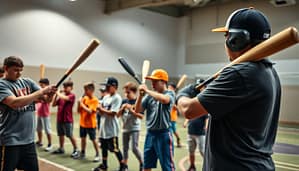
When it comes to youth baseball bat size, the length and weight are crucial. A bat that is too long or too heavy can be difficult for your child to handle, potentially affecting their swing and overall performance. To determine the correct bat size, consider your child’s height and weight. Most baseball bat manufacturers provide size charts that correlate height and weight to the appropriate bat length and weight.
For example, a child between 4’5″ and 5’0″ tall and weighing between 60-80 lbs would typically use a bat that is 28-30 inches long and weighs around 18-20 oz.
Gloves
A baseball glove that fits properly is essential for catching and throwing. To choose the right size glove, measure from the tip of the index finger along the palm to the base of the heel. The ideal glove size varies by position: infielders often prefer smaller gloves (10-11 inches) for quicker transfers, while outfielders use larger gloves (12-12.5 inches) to catch fly balls.
Helmets, Shoes, and Pants
Helmets should fit snugly on your child’s head, with the strap securely fastened under the chin. Shoes should be comfortable, with enough room for toes to wiggle. Pants should be the right length to allow for freedom of movement without being too baggy.
- For helmets, consider the NOCSAE certification for safety.
- For shoes, cleats are a must for traction on the field.
- For pants, look for durable, stretchy materials.
By focusing on these key pieces of equipment and ensuring they fit correctly, you can help your child perform their best while staying safe during the game.
Safety Essentials
When it comes to youth baseball, safety always comes first, and the right equipment is vital. Ensuring that young players have the correct protective gear is crucial for preventing injuries and allowing them to enjoy the game.
Protective Gear
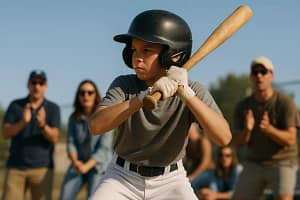
The most critical piece of safety equipment in baseball is the helmet. A properly fitted helmet can significantly reduce the risk of head injuries. It’s essential to choose a helmet that meets the standards set by the relevant sports authorities and is appropriately sized for the child.
Catchers’ Gear is another critical area where safety equipment is paramount. Catchers require a specialized set of gear, including a helmet, chest protector, shin guards, and a glove. This gear is designed to protect them from the impact of wild pitches and foul balls.
Sizing Advice
Proper sizing is crucial for all safety equipment. A helmet that is too loose or too tight will not provide adequate protection. Similarly, catchers’ gear must be correctly sized to ensure mobility and protection. Parents should refer to the manufacturer’s sizing charts and try the equipment on their child before purchasing.
It’s also worth noting that some leagues may have specific requirements for safety equipment. Checking with the league administrators before purchasing gear can ensure compliance and optimal safety.
By focusing on the right safety essentials and ensuring a proper fit, parents can help their young players enjoy baseball while minimizing the risk of injury.
Buying vs. Renting
When it comes to outfitting your child for baseball, one of the key decisions you’ll make is whether to buy or rent the necessary equipment. This decision can be influenced by several factors, including your child’s age, skill level, and the specific requirements of their league.
Both buying and renting have their advantages. Buying equipment can be cost-effective in the long run, especially if your child continues to play baseball for several years. It also allows your child to keep their favorite gear, potentially enhancing their comfort and performance. On the other hand, renting can be more economical initially and offers the flexibility to upgrade equipment as your child grows or improves.
YMCA and Other League Equipment Policies
Before making a decision, it’s essential to check the equipment policies of your child’s league. For instance, the YMCA and other organizations may have specific rules regarding the type of equipment allowed or required. Some leagues may offer rental options or have partnerships with local suppliers. Understanding these policies can help guide your decision.
Local Texas Baseball Stores
For parents in Texas, there are numerous local baseball stores that offer a wide range of equipment. Stores like Play It Again Sports or specialized baseball retailers can provide valuable advice on selecting the right gear. They may also offer rental services or know of leagues that do. Visiting these stores can give you a better understanding of the options available, both for buying and renting.
In conclusion, the decision to buy or rent baseball equipment depends on various factors, including league policies, your budget, and your child’s needs. By considering these elements and exploring local resources, you can make an informed decision that suits your family.
Equipment Maintenance Tips
New to baseball? Understanding how to maintain your equipment is a game-changer for young players. Proper maintenance not only extends the life of the gear but also ensures safety and optimal performance.
Maintaining baseball equipment involves several key tasks: cleaning, labeling, and conducting regular safety checks. Let’s dive into each of these areas to help you keep your child’s equipment in top condition.
Cleaning Your Child’s Gear
Cleaning is a crucial aspect of equipment maintenance. Dirt and grime can affect the performance and longevity of the gear. For instance, a baseball glove needs regular cleaning to maintain its flexibility and grip.
- Use a soft cloth and mild soap to clean gloves, bats, and other equipment.
- Avoid using harsh chemicals that can damage materials.
- Dry equipment thoroughly after cleaning to prevent mold and mildew.
As Rawlings, a renowned baseball equipment brand, suggests, “Regular cleaning and maintenance can significantly extend the life of your baseball gear.”
Labeling Equipment
Labeling your child’s equipment is essential, especially in a team environment where gear can easily get mixed up. Use permanent markers to label bats, gloves, and other personal items.
“Labeling equipment is not just about identification; it’s about teaching kids to take responsibility for their gear.” –
Safety Checks
Regular safety checks are vital to ensure that the equipment is in good condition and safe to use. Check for signs of wear and tear, such as cracks in bats, frayed seams on gloves, and loose threads on uniforms.
| Equipment | Check for | Action |
|---|---|---|
| Bats | Cracks, dents | Replace if damaged |
| Gloves | Frayed seams, loose threads | Repair or replace |
| Helmets | Cracks, loose padding | Replace immediately |
By following these maintenance tips, you can ensure your child’s baseball equipment remains in excellent condition, enhancing both performance and safety. For beginners, mastering these simple tasks can make a significant difference in their baseball experience.
FAQs: Equipment for New Parents
Stepping into the world of youth baseball as a new parent can raise many questions about the right equipment for your child. As a beginner, it’s natural to feel overwhelmed by the various gear options available. Here, we address some of the most frequently asked questions to help you make informed decisions.
What is the essential T-Ball gear list? For T-Ball, the basic equipment includes a bat, ball, glove, helmet, and comfortable clothing. The bat should be lightweight and appropriately sized for your child. A good quality glove is also crucial as it helps in catching and throwing. The helmet is a must for safety, protecting your child’s head from wild pitches or bat mishaps.
How do I choose the right size gear? Choosing the right size gear is vital for your child’s comfort and performance. For bats, refer to the manufacturer’s size chart, which typically correlates with your child’s height and weight. Gloves should fit snugly but not too tightly, allowing for ease of movement. Helmets should be sized according to the child’s head circumference.
Where can I find the best equipment? You can find youth baseball equipment at local sports stores, online retailers, and sometimes at the baseball fields where your child plays. It’s a good idea to try out equipment before buying, if possible, to ensure a good fit. Online reviews and recommendations from other parents can also be helpful.
Another common question is about the durability of the equipment. How long does baseball gear last? The lifespan of baseball gear varies depending on usage and quality. Generally, a good quality bat can last a season or more, while gloves and helmets, if properly maintained, can last several seasons.
Lastly, many parents ask, should I buy or rent equipment? Some leagues offer rental options, which can be a cost-effective way to start. However, buying equipment allows for a better fit and can be more economical in the long run if your child continues to play.
Conclusion: Setting Your Player Up for Success
Having the right youth baseball equipment is foundational to your child’s success and enjoyment of the game. By focusing on the required kids baseball equipment for their age group and skill level, you’ll be well-equipped to provide your young player with the necessary gear.
From T-Ball to Coach Pitch and beyond, safety, and appropriate sizing are crucial. Ensuring your child has the correct bat, glove, helmet, and other essential equipment will enhance their performance and confidence on the field.
By following the guidelines outlined in this article, you’ll be able to make informed decisions when buying or renting equipment, ultimately setting your child up for success both on and off the field.