The Texas high school baseball draft impact from the 2026 MLB Draft is not just a pro-baseball headline. For families in Fort Worth, The Woodlands, College Station, Stephenville, Waco and every small-field community in between, it is a reminder that player development is built long before draft night. It starts with tee work, local league volunteers, school coaches, travel schedules, fundraising dinners, summer heat plans and parents who keep showing up with water jugs and folding chairs.
The headline name is Grady Emerson, the Fort Worth Christian shortstop selected second overall by the Tampa Bay Rays. Emerson, 18, was also named the 2026 Gatorade National Baseball Player of the Year after a senior season that included a .532 batting average, seven home runs, 50 RBIs and 31 steals, according to a CBS Texas report. That kind of profile draws attention across the state, but the wider story is about what Texas baseball communities can do with that attention.
What The 2026 Draft Signals In Texas
From Fort Worth Christian To The First Round
Emerson’s selection gives North Texas high school baseball a clear, recent example of how serious the local player pipeline has become. A prep shortstop going second in the draft does not happen because of one season alone. It points to years of coaching, strength work, game reps and support from school and club settings. The verified numbers from his senior year are rare, and they give younger players something concrete to study: contact ability, power, run production and baserunning all mattered.
For youth coaches, the lesson should not be to copy one player’s path. No two families have the same budget, school fit, travel access or physical timeline. The better message is that complete baseball still carries weight. A player who can hit, defend, run and handle pressure gives scouts and college coaches more ways to believe in the future. That is a useful message for 10U and 12U dugouts, where too many kids get boxed into one label too early.
Statewide Depth Shows Up On Draft Boards
The state-level numbers matter, too. Major League Baseball reported that Texas produced 60 players selected in the 2026 MLB Draft, second behind California’s 95 selections, in its draft completion release. That gives Texas leagues, high schools and colleges a real marker of depth. It also gives local sponsors and city partners a reason to treat baseball facilities and training access as community assets, not side projects.
Those 60 selections do not mean every Texas athlete is close to a professional opportunity. Most players will never face that decision, and families should hear that plainly. Still, draft representation can help local programs explain why quality fields, safe cages, trained coaches and organized schedules matter. Better resources can serve the future draft prospect and the seventh-grade player who simply wants a good season with friends.
How Local Leagues Can Use The Moment
Sponsorship With A Player Development Purpose
The Texas high school baseball draft impact can be strongest when leagues turn attention into practical support. A local business may not be able to fund a full facility renovation, but it may be able to sponsor catcher’s gear, field clay, umpire training, shade structures or scholarships for registration fees. Those are not glamorous purchases, but they shape the daily experience for players and volunteers.
Community sponsors also need a clear story. “Help us build the next draft pick” can sound exciting, but it can leave out most of the kids in the league. A better pitch is broader: help keep baseball affordable, safe and well-coached in our town. Draft success can open the conversation. The mission should stay centered on access and player growth.
- For league boards: connect sponsorship asks to specific needs, such as field maintenance, safety gear or coaching clinics.
- For local businesses: support programs that serve a full age group, not only elite teams.
- For parents: ask how funds are used and whether scholarships or shared equipment are part of the plan.
- For coaches: keep development goals clear, measurable and age-appropriate.
Volunteers Make The Pipeline Work
Draft night tends to spotlight the player, the family and the pro club. Local baseball people know the wider circle. Someone dragged the infield after a late game. Someone organized a fundraiser. Someone handled uniforms, scorekeeping, concession shifts or field lights. Someone coached a nervous eight-year-old through his first ground ball.
That volunteer base is easy to take for granted until it disappears. If Texas wants to keep producing players while also serving recreational families, leagues need to recruit and train volunteers with the same care they give to rosters. A stronger volunteer plan can help avoid burnout, improve communication and make the ballpark feel welcoming for new families.
Coaching Priorities After A High Profile Draft
Keep The Message Bigger Than One Pick
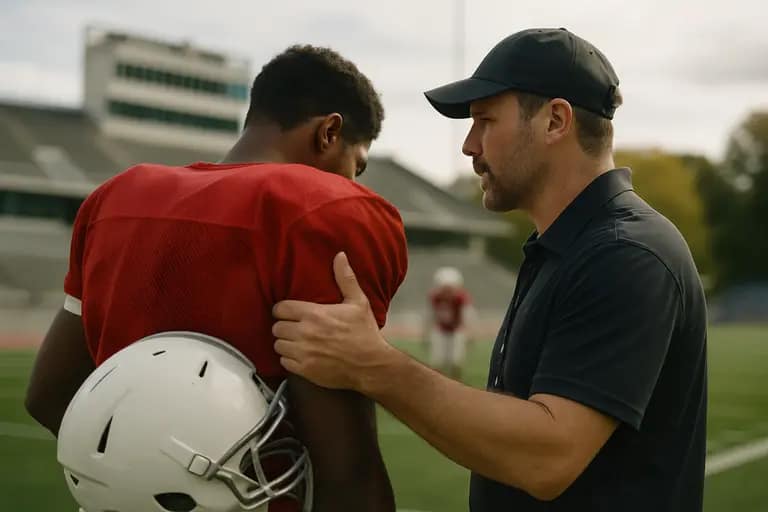
High draft selections can inspire young players, but they can also raise pressure. Coaches should be careful with how they frame a player like Emerson. His production and selection are verified and impressive. They should not become a measuring stick that every freshman shortstop is expected to meet. Development is uneven, and Texas baseball includes late bloomers, multi-sport athletes, small-school standouts and players who need more time physically.
The healthier coaching message is simple: compete, learn, recover and keep improving. Teach baserunning. Teach throwing accuracy. Teach how to handle failure after two strikeouts. Teach players how to be good teammates during a long tournament day. Those skills matter for college recruiting, pro scouting and the local high school season, but they also make baseball more rewarding for the majority of players.
Build Better Communication With Families
Families hear about draft picks and naturally ask what it means for their own player. That is where coaches can offer grounded guidance. Not every athlete needs more games. Some need rest, strength work, better nutrition, classroom focus or a second sport. Some need fewer private lessons and more unstructured catch with a parent. Some need help finding the right high school or summer schedule for their current level.
Good communication can prevent families from spending out of fear. A clear player meeting, a written development plan or a short winter check-in can help parents understand what a coach sees. That kind of partnership keeps the focus on the player’s growth instead of the rumor mill around recruiting or draft attention.
What The Draft Means For Texas Baseball Communities
A Shared Win For Local Baseball
The Texas high school baseball draft impact should be measured in more than first-round moments. Emerson’s selection and the state’s 60-player draft total give Texas baseball a strong story to tell, but the real value comes from how communities respond. If the response is more coaching education, better facilities, safer summer planning, stronger school-league ties and more room for families with limited budgets, then the draft has served the local game well.
Texas baseball has always been tied to place: school colors, city parks, long drives, weekend tournaments and neighbors who know the lineup by heart. Recent draft results can raise the bar, but the bar should be raised for everyone. The next pro prospect benefits from that work. So does the kid batting ninth, the volunteer dragging the field and the sponsor who wants the ballpark to be a gathering place worth supporting.