Building a Positive Team Culture
Creating a positive team culture is essential for the success of any youth baseball team. It goes beyond just winning games; it’s about fostering a supportive and inclusive environment where players can thrive. By focusing on culture building, you can create a team that values teamwork, respect, and sportsmanship.
One way to build a positive team culture is by promoting a growth mindset. Encourage players to embrace challenges, learn from their mistakes, and view failures as opportunities for growth. This mindset helps players develop resilience, adaptability, and a love for the game.
Another important aspect of building a positive team culture is fostering a sense of belonging. Create an environment where players feel valued, heard, and supported. Encourage open communication, celebrate individual achievements, and promote teamwork. By doing so, players will feel connected to their teammates and the team as a whole.
Respect is a fundamental value in any team culture. Teach players the importance of treating others with kindness, empathy, and respect. Encourage them to listen actively, show appreciation for their teammates’ efforts, and promote a positive and supportive team atmosphere.
By focusing on culture building, you can create a positive team culture that promotes growth, teamwork, respect, and sportsmanship. This will not only enhance the overall experience for players but also contribute to the success of the team.
Benefits of Building a Positive Team Culture
Building a positive team culture offers numerous benefits for youth baseball players. Here are a few:
- Improved teamwork: A positive team culture promotes collaboration, communication, and mutual respect among teammates.
- Increased motivation: When players feel valued, supported, and part of a cohesive team, they are more likely to be motivated and engaged in the game.
- Enhanced sportsmanship: A positive team culture emphasizes the importance of fair play, respect for opponents, and good sportsmanship.
- Personal growth: By embracing challenges, learning from failures, and developing a growth mindset, players can grow both on and off the field.
- Long-term success: A positive team culture sets the foundation for long-term success, both in baseball and in life.
By prioritizing culture building, you can create a positive team culture that benefits players in the short and long term. It’s an investment in their development, well-being, and future success.
Player Leadership and the Big Brother Program
At the heart of the player leadership ethos in the big brother program is the understanding that each player has a unique role to play. This program is designed to foster a sense of responsibility and accountability among players, encouraging them to take on leadership roles within the team. By doing so, players not only develop their skills but also contribute to the overall success of the team.
The big brother program is a cornerstone of this leadership development, pairing experienced players with newcomers. This mentorship model ensures that the knowledge and expertise of seasoned players are passed down to the next generation, creating a cycle of growth and excellence. Through this program, players learn the intricacies of the game, gain valuable insights, and develop the skills necessary to become effective leaders.
By embracing the player leadership philosophy, the big brother program empowers players to take ownership of their roles and contribute to the team’s success. This approach not only enhances individual development but also strengthens the overall team dynamic, fostering a culture of collaboration and mutual respect.
Through the big brother program, players have the opportunity to learn from experienced teammates, gain valuable insights, and develop the skills necessary to become effective leaders. This program is a testament to the commitment of the team to fostering player growth and development, ensuring that each player has the opportunity to reach their full leadership and competitive potentials.
Benefits of Youth Sports Mentoring
Engaging in youth sports mentoring offers numerous benefits for both the mentor and the mentee. It fosters personal growth, enhances life skills, and promotes positive development.
Personal Growth
Participating in youth sports mentoring programs helps individuals develop essential life skills. Mentors guide mentees through various challenges, enabling them to build resilience and self-confidence. This personal growth is invaluable, as it prepares them for future endeavors.
Life Skills
Engaging in youth sports mentoring programs equips individuals with valuable life skills. These skills include teamwork, communication, and problem-solving. By participating in these programs, mentees learn to navigate different situations effectively, preparing them for real-world challenges.
Positive Development
Positive development is a significant outcome of youth sports mentoring. Mentors play a vital role in shaping the mentee’s character and values. Through guidance and support, mentees develop a positive mindset, fostering their overall well-being and future success.
By embracing youth sports mentoring, individuals can experience personal growth, acquire life skills, and contribute to positive development. These benefits extend beyond the sports field, positively impacting their lives and communities.
Onboarding, expectations, and safeguarding
Think of onboarding as setting up the whole coach mentoring relationship. It’s where good plans turn into a real, safe, and effective program. Before the first meeting, you need to set clear rules, not in a strict way, but clearly.
The move from idea to contract is key. A mentor agreement is not just paperwork; it’s a guide. It shows roles, time commitments, and privacy rules. We’ll give you a template soon, but its main job is to make the partnership clear and professional. This helps trust grow without risks.
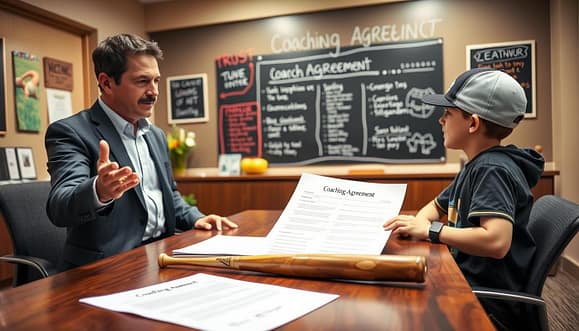
Now, let’s talk about safeguarding. We’re not being too careful; we’re being smart. The USA Baseball BASE program shows why safety is important. Your program must have strict rules against abuse, hazing, or bullying. This is about teaching mentors to be safe and ethical.
They need training on professional limits, reporting rules, and spotting trouble signs. It’s about showing the right way to act. The coach’s code of conduct is not just a suggestion; it’s the base.
Setting these rules isn’t just about following rules. It’s about keeping the whole program safe and ethical from the start.
The Two Pillars of Effective Onboarding
Think of onboarding as two main parts. One is about the relationship and rules. The other is about safety and ethics. Both are very important.
| Pillar One: The Framework | Pillar Two: The Foundation |
|---|---|
| The Mentor Agreement | The Code of Conduct & BASE Training |
| This document makes the relationship clear. It answers “who does what and when?” It covers time, meetings, and how to communicate. It sets a professional tone. | This is more than a document; it’s a culture. It’s about having no tolerance for abuse, training on trouble signs, and ethical behavior. |
| Confidentiality Clause | Health & Safety Protocols |
| It explains what stays private and what needs to be reported. It builds trust. | This goes beyond just preventing abuse. It includes first aid, concussion awareness, and Pitch Smart rules to protect young arms. |
| Goal Setting & Progress Tracking | Mandatory Reporting & Emergency Action |
| It outlines the purpose of the relationship. Is it for academic support, leadership, or skill improvement? This gives direction. | This is the legal and moral safety net. It’s the clear, non-negotiable process for handling safety issues. |
One pillar is about the relationship’s operation, and the other is about environment’s safety. You can’t have a good coach mentoring program without both. The agreement without safety is weak. Safety without a clear agreement is confusing.
This onboarding phase is about moving from good intentions to a real plan. It gives mentors the tools and confidence to act well, and mentees the safety to be open. It’s the difference between a nice chat and a real tool for growth.
FAQ
Q: What is the role of a pre buy car inspector?
A: A pre buy car inspector is a professional who conducts thorough inspections of vehicles before they are purchased. They assess the condition of the vehicle, identify any existing or hidden issues, and provide a detailed report to help buyers make informed decisions.
Q: Why is a pre buy car inspection important?
A: A pre buy car inspection is important because it helps buyers avoid purchasing a vehicle with hidden problems or costly repairs. It provides a detailed assessment of the vehicle’s condition, allowing buyers to make informed decisions and negotiate fair prices.
Q: What does a pre buy car inspection include?
A: A pre buy car inspection typically includes a thorough examination of the vehicle’s exterior, interior, engine, transmission, brakes, suspension, and electrical systems. It may also involve a test drive to assess the vehicle’s performance and identify any unusual noises or vibrations.
Q: How long does a pre buy car inspection take?
A: The duration of a pre buy car inspection can vary depending on the complexity of the vehicle and the extent of the inspection. On average, it can take anywhere from 1 to 3 hours to complete a thorough inspection.
Q: Can I be present during the pre buy car inspection?
A: Yes, it is highly recommended to be present during the pre buy car inspection. This allows you to ask questions, gain a better understanding of the vehicle’s condition, and address any concerns or concerns you may have.
Q: How much does a pre buy car inspection cost?
A: The cost of a pre buy car inspection can vary depending on factors such as the location, type of vehicle, and the level of detail required. On average, it can range from $150 to $300. It is important to note that the cost is a small investment compared to the peace of mind and financial savings it can provide.
Q: Can I get a pre buy car inspection for other types of vehicles?
A: Yes, pre buy car inspections are not limited to cars. They can also be conducted for trucks, motorcycles, RVs, boats, and even heavy equipment. It is important to have a professional inspection done regardless of the type of vehicle you are considering purchasing.
Q: How can I find a reliable pre buy car inspector?
A: To find a reliable pre buy car inspector, you can ask for referrals from friends, family, or other trusted sources. You can also search online for reputable inspection companies in your area. It is important to choose a professional inspector who has the necessary expertise and experience in conducting thorough inspections.
Q: What should I do after receiving the pre buy car inspection report?
A: After receiving the pre buy car inspection report, you should carefully review it and consider the findings. If any major issues or concerns are identified, you may want to negotiate the price or consider walking away from the purchase. It is important to make an informed decision based on the information provided in the report.
Player Leadership and Team Dynamics
Player leadership is a vital component of any successful sports team. It goes beyond just on-field performance and encompasses the ability to inspire and motivate teammates. Leaders on the field have a significant impact on team dynamics, creating a positive and cohesive environment that fosters growth and success.
Effective player leadership involves several key qualities. First and foremost, leaders must possess strong communication skills. They need to be able to articulate their vision, provide clear instructions, and actively listen to their teammates’ concerns and ideas. This open communication fosters trust and collaboration within the team.
Another important aspect of player leadership is the ability to motivate and inspire teammates. Leaders should be able to recognize and celebrate individual achievements, providing encouragement and support when needed. By doing so, they create a positive and uplifting team culture that motivates everyone to strive for excellence.
Leadership also involves setting a good example on and off the field. Players who demonstrate integrity, work ethic, and sportsmanship serve as role models for their teammates. By embodying these values, leaders inspire others to follow suit, creating a culture of respect and accountability within the team.
Player leadership is not limited to on-field performance. It extends to off-field interactions and relationships as well. Leaders should foster a sense of camaraderie and teamwork, encouraging open communication and collaboration among teammates. By building strong bonds and fostering a positive team culture, leaders create an environment where everyone feels valued and supported.
Ultimately, player leadership plays a critical role in shaping team dynamics and driving success. By inspiring, motivating, and setting a positive example, leaders create a cohesive and driven team that is capable of achieving great things on and off the field.
Benefits of Player Leadership
Player leadership offers numerous benefits for both the team and individual players. Here are some key advantages:
- Improved Team Dynamics: Player leadership fosters a positive and cohesive team environment, promoting collaboration and teamwork.
- Increased Motivation: Leaders inspire and motivate teammates, creating a sense of purpose and drive within the team.
- Enhanced Performance: Player leadership can have a direct impact on on-field performance, as motivated and focused teammates are more likely to excel in their roles.
- Role Modeling: Leaders serve as role models, inspiring others to adopt positive values and behaviors.
- Team Cohesion: Player leadership helps build strong bonds and relationships within the team, creating a sense of unity and belonging.
By embracing player leadership, teams can unlock their full potentials and achieve success both on and off the field.
FAQ
Q: What is a culture building strategy?
A: A culture building strategy is a plan to create a positive and productive work environment. It involves setting clear values and expectations, fostering a sense of community, and promoting a culture of innovation and growth.
Q: Why is culture building important?
A: Culture building is important because it has a direct impact on employee engagement, productivity, and overall business success. A positive work culture can attract top talent, improve employee retention, and drive business growth.
Q: How can I create a positive work culture?
A: To create a positive work culture, you can establish clear values and expectations, foster a sense of community, promote innovation and growth, and provide opportunities for professional development and recognition.
Q: What are some effective culture building strategies?
A: Some effective culture building strategies include creating a sense of community, promoting innovation and growth, providing opportunities for professional development, and recognizing and rewarding employees for their contributions.
Q: How can I measure the success of my culture building efforts?
A: You can measure the success of your culture building efforts by tracking metrics such as employee engagement, retention rates, productivity, and overall business performance. Regular feedback and surveys can also provide valuable insights into the effectiveness of your culture building initiatives.
Q: What are some common challenges in culture building?
A: Some common challenges in culture building include resistance to change, conflicting values and expectations, and difficulties in scaling culture across different locations and teams. Addressing these challenges requires effective communication, leadership, and a clear vision for the desired culture.
Q: How can I create a positive work culture?
A: To create a positive work culture, you can establish clear values and expectations, foster a sense of community, promote innovation and growth, and provide opportunities for professional development and recognition.
Q: What are some effective culture building strategies?
A: Some effective culture building strategies include creating a sense of community, promoting innovation and growth, providing opportunities for professional development, and recognizing and rewarding employees for their contributions.
Q: How can I measure the success of my culture building efforts?
A: You can measure the success of your culture building efforts by tracking metrics such as employee engagement, retention rates, productivity, and overall business performance. Regular feedback and surveys can also provide valuable insights into the effectiveness of your culture building initiatives.
Q: What are some common challenges in culture building?
A: Some common challenges in culture building include resistance to change, conflicting values and expectations, and difficulties in scaling culture across different locations and teams. Addressing these challenges requires effective communication, leadership, and a clear vision for the desired culture.
Why Player Retention is Crucial for Online Casinos
Player retention is a key factor for online casinos to succeed. It’s not just about attracting new players; keeping them coming back is essential. This is where player retention strategies come into play. By focusing on player satisfaction and loyalty programs, online casinos can build a loyal player base.
Player retention is important for several reasons:
- Increased Revenue: Retaining players means more opportunities for revenue. Happy players are more likely to make repeat deposits and engage in more gameplay.
- Positive Word-of-Mouth: Satisfied players are more likely to recommend the casino to friends and family. This can lead to organic growth and increased brand visibility.
- Competitive Advantage: In a crowded online casino market, player retention sets a casino apart from its competitors. It demonstrates a commitment to player satisfaction and loyalty.
By implementing effective player retention strategies, online casinos can create a loyal player base that drives long-term success. This includes:
- Personalized Experience: Tailoring the gaming experience to individual preferences can enhance player satisfaction and encourage repeat visits.
- Exclusive Offers: Providing exclusive bonuses and promotions can make players feel valued and increase their likelihood of returning.
- Engaging Community: Creating a sense of community through forums, live chat, and social media can foster a sense of belonging and encourage player retention.
By prioritizing player retention, online casinos can build a loyal player base that drives long-term success. By focusing on player satisfaction, loyalty programs, and personalized experiences, online casinos can create a positive and engaging environment that keeps players coming back for more.
FAQ
Q: What is the role of a pre buy car inspector?
A: A pre buy car inspector is a professional who conducts a thorough inspection of a vehicle before it is purchased. They assess the condition of the vehicle, identify any existing or hidden issues, and provide a detailed report to help buyers make an informed decision.
Q: Why is a pre buy car inspection important?
A: A pre buy car inspection is important because it helps buyers avoid purchasing a vehicle with hidden problems or costly repairs. It provides a detailed assessment of the vehicle’s condition, allowing buyers to make an informed decision and potentially save money in the long run.
Q: What does a pre buy car inspection include?
A: A pre buy car inspection typically includes a thorough examination of the vehicle’s exterior, interior, engine, transmission, brakes, suspension, and electrical systems. It may also involve a test drive to assess the vehicle’s performance and identify any unusual noises or vibrations.
Q: How long does a pre buy car inspection take?
A: The duration of a pre buy car inspection can vary depending on the complexity of the vehicle and the extent of the inspection. On average, it can take anywhere from 1 to 3 hours to complete a thorough inspection.
Q: Can I be present during the pre buy car inspection?
A: Yes, it is highly recommended to be present during the pre buy car inspection. This allows you to ask questions, gain a better understanding of the vehicle’s condition, and address any concerns or concerns you may have.
Q: How much does a pre buy car inspection cost?
A: The cost of a pre buy car inspection can vary depending on factors such as the location, type of vehicle, and the level of detail required. On average, it can range from $150 to $300. It is important to note that the cost is a small investment compared to the peace of mind and financial savings it can provide.
Q: Can I get a pre buy car inspection for other types of vehicles?
A: Yes, pre buy car inspections are not limited to cars. They can also be conducted for trucks, motorcycles, RVs, boats, and even heavy equipment. It is important to have a professional inspection done regardless of the type of vehicle you are considering purchasing.
Q: How can I find a reliable pre buy car inspector?
A: To find a reliable pre buy car inspector, it is recommended to research and compare different inspection services in your area. Look for inspectors who have experience, expertise, and a good reputation. You can also ask for referrals from friends, family, or other trusted sources.
Q: What should I do after receiving the pre buy car inspection report?
A: After receiving the pre buy car inspection report, you should carefully review it and consider the findings. If any major issues or concerns are identified, you may want to negotiate the price or consider walking away from the purchase. It is important to make an informed decision based on the information provided in the report.
Parent alignment and communication
Parents are the unpaid chauffeurs, emotional support, and silent partners in every athlete’s journey. They can make or break your program with a single group text. Think of them as your program’s shadow board of directors—they hold the veto power, whether you acknowledge it or not.
This isn’t about seeking permission slips. It’s about building a strategic alliance. You’re not managing parents; you’re enrolling them as co-investors in their child’s development. Get this wrong, and you’ll spend more time putting out fires than coaching baseball.

The opening team meeting is your Broadway premiere. This is where you present the mentor program not as an experiment, but as a core pillar of your development philosophy. Borrow from USA Baseball’s playbook: frame it as intentional, structured, and safe. Explain the safeguards first—parents need to know their kid is protected.
Then hit them with the benefits. Not just “better baseball,” but resilience, accountability, leadership. Speak their language: college readiness, character building, life skills. You’re selling the outcome, not the process.
Regular updates should be effortless—for you and them. A single line in the weekly email: “Shoutout to mentor Alex for helping Jamie navigate that tough loss last week—great leadership moment.” This isn’t bragging. It’s evidence the program works.
You’ll face the same concerns every season. “Is this taking away from baseball time?” (Answer: It is baseball time—the mental game.) “Are these mentors qualified?” (Answer: They’re trained, supervised, and passionate.) Address these proactively before they become whispers.
| Communication Method | Frequency | Parent Benefit | Program Benefit | Best For |
|---|---|---|---|---|
| Season-Opening Presentation | Once per season | Complete program understanding | Sets clear expectations | Building foundational trust |
| Weekly Email Mentions | Weekly | Low-effort updates | Demonstrates ongoing value | Maintaining engagement |
| Parent-Mentor Coffee Chat | Quarterly | Direct relationship building | Personalizes the program | Addressing specific concerns |
| Digital Progress Portal | Ongoing access | Transparent tracking | Reduces administrative questions | Tech-savvy parent groups |
| Post-Season Survey & Recap | End of season | Voice in program evolution | Valuable feedback for improvement | Continuous program refinement |
The goal isn’t just informed parents. It’s invested partners. When they understand the “why,” they become your program’s most vocal advocates. They’ll reinforce mentor messages at home. They’ll defend the program to skeptical neighbors.
Remember: parents see their child’s struggles up close. A mentor might notice a batting slump. Parents see the confidence crisis that caused it. Your communication bridge lets these insights flow both ways.
Build this alliance correctly, and you create something powerful: a unified front supporting the athlete’s growth. The alternative? Well, let’s just say you don’t want to learn that lesson the hard way.
Templates: mentor agreement, agenda, progress log
If your Captains Council doesn’t use templates, it’s like trying to build IKEA furniture without instructions. The pieces are there, but it’s frustrating, and someone always ends up with extra parts. Templates are like the Allen wrench that makes everything fit together smoothly.
Don’t start from scratch. Great systems rely on solid paperwork. This section is your toolkit, turning good intentions into real growth.
The Mentor Agreement is not a legal document. It’s a social contract. It’s like the pre-game handshake, setting the tone and rules for the mentorship.
What does it include? Time commitment, confidentiality, and following your program’s code of conduct. For your Captains Council, this agreement is like armor. It gives them the power to say, “We agreed to this,” making them leaders.
Key parts of a good agreement are:
- Expectations Crystal Ball: Clearly defined meeting frequency and communication channels.
- Confidentiality Clause: A simple promise that creates a safe space for real talk.
- Leadership North Star: Explicit alignment with the team’s core values and the leadership curriculum.
- Opt-Out Protocol: A graceful, no-fault exit strategy if the pairing isn’t working.
The Meeting Agenda Template keeps mentor chats on track. Without it, chats might turn into small talk about cafeteria food. This template is like a script, providing structure without stifling conversation.
The magic is in its three-part layout:
- Follow-Up from Last Time: This creates accountability. Did the mentee try that new communication technique with a teammate?
- Today’s Focus Topic: Pulled directly from your leadership curriculum—maybe it’s resilience after a loss or empathetic listening.
- Action Items & Next Steps: The “so what?” Concrete, small tasks to apply the lesson before you meet again.
This template stops endless discussion without results. It turns conversation into coaching.
The Progress Log tracks your team’s growth. It’s like a Moneyball stat book for personal development. We’re not just counting wins; we’re measuring growth.
The log tracks two types of data:
- Quantitative Ticks: Objective marks for attendance, practice effort grades, and academic check-ins.
- Qualitative Notes: The rich, story-filled observations. “Showed initiative by leading warm-ups.” “Asked insightful question during film review.”
This dual approach is powerful. The numbers show trends, while the notes explain the why behind them. It empowers your Captains Council to move from saying “Johnny is trying harder” to “Johnny’s effort score improved from 6 to 8 this month, coinciding with him leading two drill stations.”
Together, these three templates form an operational engine. They provide clarity, structure, and measurable insight. They transform your veteran leaders from well-meaning volunteers into confident, effective mentors. For a deeper dive into structured program resources, from contact sheets to practice plans, the ManualComplete.pdf offers a masterclass in systemization.
Implement these tomorrow. Customize them. Make them yours. Because analysis without execution is just intellectual batting practice, and your team—and your Captains Council—deserves to step up to the plate with the right tools.
Benefits of Joining a Youth Baseball Mentor Program
Joining a youth baseball mentor program offers numerous benefits for young athletes. These programs provide a supportive environment where players can learn from experienced coaches and gain valuable skills.
One of the key advantages of participating in a mentor program is the opportunity to receive personalized guidance. Coaches can offer tailored advice and strategies, helping players improve their technique and performance on the field.
These programs also foster a sense of community and camaraderie among participants. Players can connect with their peers, build lasting friendships, and develop teamwork skills that extend beyond the baseball field.
By joining a mentor program, young athletes can also gain valuable life skills. Coaches often emphasize the importance of hard work, dedication, and perseverance, helping players develop a strong work ethic and resilience.
Overall, participating in a youth baseball mentor program can have a profound impact on a young athlete’s development. It provides a supportive environment, personalized guidance, and the opportunity to build lasting relationships and develop valuable life skills.
Testimonials from Participants
“The mentor program has been a game-changer for me. The coaches are incredibly knowledgeable and have helped me improve my skills significantly. I feel more confident on the field and appreciate the guidance and support they provide.” – John, participant
“Being part of the mentor program has taught me so much more than just baseball. The coaches emphasize the importance of teamwork, discipline, and perseverance. These skills have helped me succeed not only in baseball but also in other areas of my life.” – Emily, participant
Benefits of Joining a Youth Baseball Mentor Program
| Benefits | Description |
|---|---|
| Personalized Guidance | Coaches provide tailored advice and strategies to help players improve their technique and performance. |
| Supportive Environment | Players can learn from experienced coaches and receive support from peers, fostering a sense of community and camaraderie. |
| Valuable Life Skills | Coaches emphasize the importance of hard work, dedication, and perseverance, helping players develop a strong work ethic and resilience. |