Imagine the sound of a bat hitting the ball and the cheers of the crowd. This sport is more than just a game; it’s a cultural cornerstone that unites neighborhoods. In 2023, over 16.6 million fans celebrated this great American game.
Hosting a game day on your field is your chance to hit a home run. These events are powerful tools. They become vibrant fundraisers for youth leagues, community projects, and charities.
Think of it as creating a hub for connection and excitement. We’re here to help you step up to the plate!
Whether you’re planning your first community baseball tournaments or are a seasoned league organizer, this guide is for you. We’ll show how a single local baseball event can create lasting memories and support.
Let’s turn your vision into a reality that benefits everyone. Your passion can inspire the next generation through amazing youth sports events.
Planning Community Baseball Events
Before the first pitch, successful planners focus on the date and format. This is your game plan, the foundation of everything. Getting these steps right makes planning smoother.
Pick a date that works for your community. Weekends or the end of the season are perfect choices. These times mean more players and families can attend. Check local calendars for school events or holidays that could conflict.
Next, decide on your event’s format. A friendly tournament builds team spirit. A skills day focuses on player development. A fundraising home run derby can support your league. Each format has its own vibe and requirements.
Here are a few popular formats for local baseball events:
- Round-Robin Tournament: Teams play short games against multiple opponents. It’s great for lots of action and guaranteed play time.
- Skills Challenge Day: Stations for hitting, fielding, and running drills. This format celebrates individual improvement and is less competitive.
- Community All-Star Game: Feature the top players from different age groups or teams. It creates a showcase atmosphere and draws a big crowd.
Now, let’s talk about where the magic happens: the venue. Your field is more than just grass and dirt; it’s the stage for your community’s memories. Selecting the right spot is a major key to success.
If available, a local high school stadium is an excellent choice. These venues often have seating, restrooms, and concessions already in place. Another local ballpark with good “seating capacity for fans” is just as good. Think about the experience from a parent’s or grandparent’s view. Comfortable seating turns spectators into engaged fans who stay longer and enjoy themselves more.
Securing a great venue isn’t just a logistics task. It’s your first step in crafting an unforgettable experience. A well-chosen field builds excitement before the event even starts. It tells participants and families, “This is going to be something special.”
Consider this your foundational checklist: who (your community), what (the format), when (the date), and where (the venue). Nail these four elements, and you’ve built a rock-solid base for your community baseball day. From here, you can confidently move on to the fun details that will make your event truly unique.
Tournament Organization & Management
Imagine the sound of a bat hitting the ball and the cheers from the crowd. This is what a community baseball tournament brings. It’s fun and impactful, making it a great way to raise funds. It’s easy to organize, exciting to watch, and raises money quickly.
A Hit-a-Thon is a skills competition where players hit pitches and earn pledges. It’s simple and fun. From organizing players to tracking results, we’ll guide you through it.
Ready to play ball? Here’s how to manage a successful Hit-a-Thon tournament:
- Recruit and Organize Your Players: Get your team captains or coaches on board. Give each player a pledge sheet and clear instructions. Remind them it’s for fun and community support!
- Set Clear, Simple Rules: Decide on the structure. How many pitches does each player get? Three or five swings is common. Determine how scores will be measured—is it by total distance, number of fair balls, or longest hit? Clear rules prevent confusion and keep the day moving.
- Master Pledge Collection: Encourage players to secure pledges before the event. This can be a flat donation or an amount per foot of their longest hit. Using an online fundraising platform can streamline this process dramatically.
- Map Out the Event Day Flow: Create a detailed schedule. When does check-in start? What’s the batting order? Assign a master of ceremonies to announce batters and keep the energy high. Have a dedicated area for scoring and recording results.
- Track Scores in Real-Time: Use a large, visible scoreboard or a digital display. Assign a few reliable volunteers to measure hits and input data. This transparency adds to the suspense and excitement!
- Celebrate and Award: Have a small ceremony immediately after the last swing. Recognize top fundraisers and the players with the longest hits. This immediate recognition makes everyone feel like a champion.
Managing the flow of the day is key. You want a steady pace that maintains excitement from start to finish. Designate a “field manager” volunteer to keep things on schedule and solve small issues before they become big ones. Have a dedicated warm-up area and keep the batting line moving.
Remember, the goal is to create a festive atmosphere. Play upbeat music between batters, involve the crowd in cheers, and maybe even have a concession stand open. When your community baseball tournaments are this engaging, supporters are more likely to come back year after year.
By following this Hit-a-Thon blueprint, you transform a fundraising idea into a community celebration. You’ll not only raise essential funds but also strengthen the bonds within your league. The final score? A winning experience for players, families, and your entire community.
Skills Competitions & Fun Days
Imagine a baseball field turned into a carnival of laughter and friendly challenges. That’s what skills competitions and fun days bring. They make sure every family member feels included and engaged. These activities turn a single sport event into a big community celebration.
Think beyond the diamond. Your outfield can host a giant inflatable slide. Your concession area might feature face painting stations. The goal is to create multiple points of interaction where joy, not just competition, takes center stage.
These additions are great for attracting younger siblings and friends who might not play organized sports. They make your event the talk of the neighborhood.
Let’s dive into specific ideas that have proven successful for community organizers. We’ll start with skill-based stations that let attendees test their abilities in a low-pressure environment.
Speed Pitch Radar stations are always a crowd-pleaser. Rent or borrow a radar gun and set up a safe throwing lane. Participants get instant feedback on their fastball velocity. You can create leaderboards for different age groups, adding a friendly competitive element.
This simple setup does wonders. It gives aspiring pitchers a chance to shine. It also provides casual players with a fun benchmark for their skills. The excitement is contagious!
Another idea is the Batting Cage Challenge. Use a pitching machine or have volunteers soft-toss. Track hits, distance, or accuracy. Award small prizes for milestones, like hitting a target or making solid contact.
These stations require minimal supervision and keep lines moving quickly. They’re perfect youth sports events that focus on participation. Kids leave feeling accomplished, regardless of their skill level.
Now, let’s explore a transformative idea: the Community Movie Night on the Field. As the sun sets and games conclude, your baseball diamond becomes an open-air cinema. This extends the event’s reach and creates a magical atmosphere.
String lights around the infield. Roll out a large screen near the pitcher’s mound. Families bring blankets and lawn chairs to settle on the outfield grass. The shared experience builds connections that last long after the credits roll.
This addition appeals to a broader demographic. It attracts families looking for affordable evening entertainment. It also encourages people to stay longer, supporting your food vendors and sponsors throughout the day.
To help you plan, here’s a comparison of popular fun day activities:
| Activity Type | Equipment Needed | Target Audience | Primary Benefit |
|---|---|---|---|
| Speed Pitch Radar | Radar gun, safety net, baseballs | Teens & Adults | Instant feedback & friendly competition |
| Batting Cage Challenge | Cage/net, pitching machine, bats, helmets | All ages (with supervision) | Skill development in controlled setting |
| Community Movie Night | Projector, screen, sound system, seating area | Whole family | Social bonding & extended engagement |
| Family Relay Races | Cones, bases, simple props | Young children & parents | Interactive play & team building |
Implementing these ideas requires some forethought. Schedule skill stations during tournament breaks to maintain constant activity. Place them in high-traffic areas near concessions or restrooms.
For movie nights, choose family-friendly films with broad appeal. Consider classic sports movies that tie into your event’s theme. Secure necessary permits for public viewing and ensure proper sound level compliance.
The true value of these participatory events lies in their ripple effect. Children who enjoy a fun day at the ballpark often develop a lasting interest in baseball. Parents appreciate the inclusive environment and become more likely to volunteer in future years.
Remember, your goal is to create a baseball festival, not just a tournament. When you blend competition with pure enjoyment, you build a summer tradition that families mark on their calendars year after year. The memories made at these community gatherings become part of your neighborhood’s shared story.
Opening & Closing Ceremonies
Think of your ceremonies as the heart of your community baseball event. They turn a series of games into a memorable experience. People will talk about it for years.
The opening ceremony is your chance to make a strong first impression. It aims to create excitement, inclusivity, and pride. We want it to feel like a warm welcome for everyone.
Begin by getting everyone on the field. A heartfelt speech should thank sponsors and volunteers. This makes everyone feel valued. Then, start with a ceremonial first pitch from a local hero. It spreads joy!
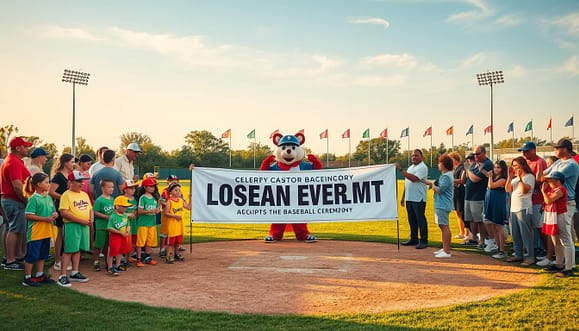
The closing ceremony is your chance to celebrate what was achieved. This is where effort turns into lasting memories. We want everyone to feel seen and proud, win or lose.
End by bringing everyone together again. Give out team and individual awards with fanfare. Consider awards like “Best Sportsmanship” or “Community Spirit.” A closing speech from an organizer can highlight the event’s best moments.
These ceremonies are the bookends of your event. They give it a clear start and end. When done well, they are what people remember most. They create excitement for your next event.
Vendor & Sponsor Coordination
Working with vendors and sponsors turns a simple game day into a big community event. It’s not just about getting money. It’s about finding local champions who support your event’s mission.
Your local businesses are key to making your community baseball tournament a hit. They are like valuable players on your team. When you treat them as partners, not just donors, you build lasting relationships.
It helps to have clear sponsorship packages. This way, businesses can choose what fits their budget and goals. You can have Gold, Silver, and Bronze levels.
Each level offers different benefits. For example, a Bronze sponsor might get their logo on your website. A Silver sponsor could get their name on banners. A Gold sponsor gets top logo spots on jerseys and more.
Here’s a simple breakdown of what you can offer:
- Gold Level: Jersey logo, main banner space, dugout branding, and VIP seating.
- Silver Level: Outfield banner, program ad, social media shout-outs.
- Bronze Level: Website listing, thank-you announcement, sponsor plaque.
Focus on the value you offer, not just the space. Explain how their support helps with uniforms, field care, or trophies. Look at the Naperville Park District for examples of sponsorship packages.
Digital QR plaques are a smart tool. Companies like SeeMyLegacy create plaques with QR codes. Fans can scan and see the sponsor’s story or a thank-you video.
This makes a logo interactive. It shows the community why the business supports your event. It creates a deeper connection than a simple name.
Good vendor and sponsor management funds your tournament and strengthens local businesses. Fans see the local shop owner as a big fan. The pizza place becomes the go-to spot after games.
Effective coordination makes your community baseball tournaments sustainable and connected to the neighborhood. Start building partnerships early, and your event will grow stronger each year.
Volunteer Event Staffing
Imagine running a tournament without anyone to manage the scoreboard or hand out water. It’s nearly impossible. Your volunteers are the backbone of your event. They make your detailed plans come to life, creating a fun day for everyone.
For youth sports events, this team is key. They ensure safety, organization, and positive energy. So, where do you find these all-star helpers? Start close to home!
A great place to find volunteers is among team parents, local students, and community groups like the Rotary Club. Tapping into elite youth development programs can also help. These programs connect you with motivated individuals who know the sports world.
The key to a smooth event is clear role definition. When people know their duties, they feel confident and important. Avoid vague calls for “help.” Instead, offer specific roles with clear tasks.
Here’s a breakdown of common roles to fill your roster:
| Role | Primary Duties | Skills Needed | Ideal For |
|---|---|---|---|
| Concession Manager | Oversee food sales, handle cash box, restock inventory. | Organized, comfortable with money. | A detail-oriented parent. |
| Scorekeeper | Officially record runs, hits, errors for each game. | Attentive, understands basic baseball rules. | A retired coach or avid fan. |
| Pitch/Hit Tracker | Count pitches for safety and log hits for skills competitions. | Focused, good with a clicker or notepad. | A local student or stats enthusiast. |
| Skills Station Lead | Run a fun activity (like speed throw), explain rules, ensure safety. | Energetic, patient, can demonstrate skills. | A former player or enthusiastic teen volunteer. |
| First Aid Attendant | Be the first point of contact for minor injuries, hold supplies. | Calm under pressure, CPR/First Aid certified (ideal). | A nurse, EMT, or responsible adult. |
| Set-up/Breakdown Crew | Arrange tables, hang banners, put away equipment post-event. | Physically able, team player. | Community group members or older students. |
Once you have your team, management is key. Use an online sign-up sheet for scheduling. Hold a brief meeting to explain their roles and the event layout. Most importantly, make them feel truly appreciated.
Provide clear t-shirts, plenty of water and snacks, and sincere thanks all day. A small thank-you gift or a public shout-out at the closing ceremonies means a lot. When volunteers feel valued, they become your event’s biggest supporters for next year.
Building this support staff might seem like a big task, but the payoff is huge. A well-staffed event runs smoothly, efficiently, and creates a vibrant atmosphere. This makes your youth sports events unforgettable.
Safety & Emergency Planning
Before the game starts, safety and emergency plans must be ready. The safety of players, families, and volunteers is key. It’s like the most important rule in your playbook.
A good plan prevents problems, so everyone can enjoy the game. It’s not just about reacting to issues; it’s about stopping them before they start.
Your first defense is a well-stocked first aid station. It’s not just a box of bandages. It’s a dedicated area with supplies for common injuries. Make sure volunteers know where it is.
Sun safety and staying hydrated are often forgotten. A hot day at the ballpark can be dangerous. Your plan should include free water stations for everyone.
Provide shaded areas for rest and remind people to use sunscreen. This simple step can prevent heat exhaustion and keep everyone’s energy up.
Now, let’s talk about your Emergency Action Plan (EAP). It’s your guide for serious situations. It answers three key questions: Who is in charge? How do we communicate? And What are the exact steps?
Every staff member and key volunteer should have a copy. It tells who calls 911 and who directs emergency vehicles. Practice these roles beforehand. Clarity in chaos is what makes a community baseball event secure.
To help you plan, here’s a checklist you can use. It covers the basics you need before your event starts.
| Safety Area | Essential Components | Responsible Party | Verification Status |
|---|---|---|---|
| Medical & First Aid | Fully stocked first aid kits, AED location known, certified responder on-site or on-call. | Head of Safety / Event Director | Pre-Event Check |
| Hydration & Sun Protection | Multiple free water stations, shaded rest areas, sunscreen available for forgotten supplies. | Concessions / Volunteer Lead | Daily Setup Check |
| Emergency Communication | Charged two-way radios or phones, list of emergency contacts, clear PA system protocols. | Communications Coordinator | Pre-Event & Hourly Check |
| Field & Facility Safety | Bases securely anchored, dugouts clear of debris, spectator barriers in good repair. | Field Manager / Umpire-in-Chief | Pre-Game Inspection |
| Staff & Volunteer Briefing | All team leads understand EAP, know first aid station locations, and can identify hazards. | Event Director | Briefing Completed 30 Min Prior |
The best plan is useless if your team doesn’t know it. Do a short, clear safety briefing before the event. Walk them through key resources and their roles in an emergency. This shared knowledge builds a culture of safety.
By investing time in planning, you build trust. Participants and parents will remember your local baseball event as safe and fun. That peace of mind is the ultimate win, letting the community spirit and love of the game shine without worry.
Weather Contingency Plans
A successful community baseball tournament isn’t about perfect weather. It’s about how you adapt when it’s not. Let’s create a plan to manage any unexpected weather.
Your “Plan B” should be clear and detailed. It’s the backbone of your event. We’ll explore the three main paths you can take.
First, think about a backup location. Can you find an indoor spot like a gym or community center? This ensures your event goes on without a hitch.
Second, set a rain date from the start. Share it with your initial details. This sets clear expectations for everyone.
Third, plan covered activities. Consider skills clinics, rules seminars, or movie days for younger players. These keep the event engaging.
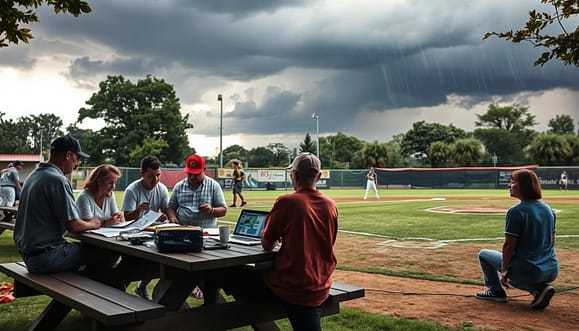
Communication is key. How will you tell everyone quickly? A slow or confusing message can cause problems.
Use many ways to communicate. Send texts or emails, post on social media, and have a phone tree for volunteers. This ensures everyone knows what’s happening.
For sudden dangers like lightning, have a plan. Know the official safety guidelines. Use a loud air horn or PA to signal everyone to leave the fields.
With a good plan, a little rain won’t stop your community. You’ll show that it’s about coming together, rain or shine.
Media & Publicity Strategies
Spreading the word about your youth sports event makes it more than just a game. It turns it into a big community celebration. Think of publicity as your team’s megaphone. It calls everyone to come and share in the excitement.
Your main goal is clear: fill those seats with cheering fans, proud parents, and supportive relatives. A full crowd creates an electric atmosphere. It also shows your players that the community is behind them.
Start building buzz early. Long before the first pitch, your social media channels should be active. Create a catchy event hashtag and use it on every post. Share photos of teams practicing, announce registration openings, and post countdowns.
Don’t forget the power of the local press. A well-written press release sent to your town’s newspaper or community blog can work wonders. Keep it simple: who, what, when, where, and why people should attend.
Old-school methods like eye-catching flyers on community boards at libraries, coffee shops, and grocery stores grab attention. Make sure the date, time, and location are in big, bold letters.
Your most powerful promoters are already on your roster. Encourage every player, coach, and family to share event details with their own circles. A personal invite from a player is the best advertisement you can get.
To keep your efforts organized, think of your strategy in channels. Each one reaches a different part of your audience. The table below breaks down the key options to help you plan.
| Publicity Channel | Best For | Key Action | Ideal Timeline |
|---|---|---|---|
| Social Media | Building ongoing buzz & engaging younger families | Post 3x per week with videos & player spotlights | 4-6 weeks before event |
| Local Press & Radio | Reaching the broader community & older supporters | Send a concise press release with a great photo | 2-3 weeks before event |
| Community Outreach | Tapping into local networks & physical spaces | Place flyers in high-traffic areas and speak at community meetings | 3-4 weeks before event |
Mentioning the upcoming youth sports event at team meetings and in all parent communications is key. This keeps it top of mind for your core supporters.
When you combine all these strategies, something special happens. Your local tournament becomes the talk of the town. Good publicity doesn’t just sell tickets; it builds anticipation and creates a can’t-miss feeling for your entire community.
Awards & Recognition Programs
Imagine the excitement when a volunteer gets a personalized thank-you. Or when a top fundraiser picks the team’s walk-up song. That’s the power of recognition. It turns a simple “thank you” into a story people share for weeks.
Appreciation is like fuel for your community’s engine. When sponsors, volunteers, and players feel valued, they become your biggest supporters. This goodwill makes a single game into a sustainable annual tradition everyone looks forward to.
Moving beyond standard trophies opens up creative possibilities. Your goal is to celebrate everyone who helped your local baseball event succeed. Let’s explore how.
A great recognition program is tailored. Different groups contribute in different ways, and your thanks should reflect that. Here’s a look at creative award ideas for your key contributors.
| Group | Recognition Idea | Delivery Method | Impact |
|---|---|---|---|
| Participants (Players) | “Sportsmanship Star” Award, Most Improved Player | Announced at closing ceremonies; custom certificate | Builds confidence & highlights character beyond skill. |
| Volunteers | “MVV” (Most Valuable Volunteer) Title, Gift Card to local business | Personalized thank-you note & social media spotlight post | Public acknowledgment increases volunteer retention. |
| Sponsors | Featured “Sponsor of the Game,” Logo on event banner | Dedicated email blast & plaque of appreciation | Demonstrates ROI and fosters long-term partnership. |
| Top Fundraisers | Choose Team Walk-Up Song, Throw First Pitch | Announced at event; special privilege granted | Creates a fun, personal incentive that drives participation. |
For sponsors and volunteers, visibility is key. A “Sponsor Spotlight” post on your social media page does double duty. It says thank you loudly and gives them valuable exposure. Pair that with a handwritten note mailed to their business or home. This personal touch cuts through the digital noise and makes a lasting impression.
For participants and fundraisers, experiential rewards often trump physical items. That’s where the “walk-up song” incentive shines. Letting a fundraiser pick the team’s anthem is a low-cost, high-impact reward. It connects them directly to the team’s identity. Other fun ideas include letting a player be “Coach for an Inning” or awarding a “Golden Glove” for the best defensive play.
Quick, impactful recognition can also happen on the spot. Consider having a small stash of goodies for immediate giveaways.
- “Spirit of the Game” stickers for enthusiastic fans.
- Free concession vouchers for a helpful volunteer.
- A shout-out over the PA system for a clean-up crew member.
When you deliver on these promises and say thank you in meaningful ways, you build a reservoir of goodwill. People remember how you made them feel. That positive memory is your best marketing tool for planning future local baseball events. A celebrated community is a community that shows up, year after year.
Post-Event Community Building
Think of the final out as a starting line, not a finish line. The real magic of successful community baseball tournaments happens in the days and weeks that follow. This is when you turn a great day at the field into a lasting bond that keeps everyone connected until next season.
Your first move is the thank-you blitz. Send personalized messages to every donor, sponsor, and volunteer. Publicly recognize your top hitters and fundraisers on social media and in a community newsletter. Celebrate the total amount raised—this number is a huge win for your cause and shows everyone the power of coming together.
Next, it’s time to listen. Send out a simple feedback survey to players, parents, and vendors. Ask what they loved and what could be even better. This isn’t about criticism; it’s your playbook for improvement. That one suggestion about shorter concession lines or a new skills station could be the key to an even smoother event next year.
Now, relive the fun! Share a highlight reel of the best photos and videos from the day. Post them on your league’s social media pages and community groups. Tag participants and encourage them to share their own memories. This keeps the positive energy flowing and reminds everyone why they love being part of this.
This ongoing engagement is what transforms a one-day tournament into a year-round touchpoint. Here’s a quick checklist to make sure you cover all your bases:
- Send thank-you notes within 48 hours.
- Share a “Top 10 Plays” video compilation.
- Post the final fundraising total with a heartfelt message.
- Distribute and review feedback surveys.
- Start a “Save the Date” conversation for next year.
By taking these steps, you do more than just wrap up an event. You build anticipation. You show your community that their effort matters and that the fun doesn’t have to end. This thoughtful follow-up lays the perfect groundwork, ensuring your next tournament is the biggest and best one yet.
Annual Event Calendar Development
Your successful community event is a powerful launchpad. Imagine turning that single win into an annual tradition. A recurring calendar of youth sports events gives your community something to look forward to every year.
Start by looking back at this year’s event. Collect feedback from players, parents, volunteers, and sponsors. Find out what excited everyone the most and what went smoothly. This feedback will guide your future plans.
Set the date for next year’s event as soon as you can. Early planning helps secure your preferred venue. It also shows sponsors you’re committed for the long haul. Keeping momentum is key in organizing events.
Consider adding new activities to your calendar. Maybe a spring skills clinic or a fall family fun run? Expanding your events keeps things interesting. It brings in new faces and strengthens community ties.
Creating an annual calendar gives your town a steady beat. It builds a lasting legacy of sports and unity, much like the lessons highlighted in classic baseball literature, which show how traditions, teamwork, and dedication create enduring impact. Your hard work today will grow into a future filled with youth sports, health, teamwork, and pride.