Welcome! Think back to a great coach or mentor from your youth. Someone who saw your talent and helped you grow. That’s the power we’re exploring today.
Baseball mentorship does more than just improve a swing. It builds character, teaches teamwork, and boosts resilience. Organizations like Play Like a Champion aim to create safe spaces for kids to grow.
Groups like AACE offer guidance from student-athletes. They help young people build self-esteem and positive relationships.
This guide is your blueprint. We’ll show you how to develop champions on and off the field. Whether you’re a league administrator, coach, or community member, you’ll learn to make a lasting impact. For example, elite development programs focus on holistic growth, showing a powerful model. Let’s get started!
The Power of Mentorship in Youth Baseball
Why does a coach’s guidance often leave a deeper mark than a classroom lesson? It’s because sports mentorship operates on a different frequency. It’s built on trust, shared struggle, and the raw, unfiltered moments of competition and camaraderie. In youth baseball, this connection becomes a powerful engine for growth.
The game itself is a perfect metaphor for life. Striking out teaches a young player about resilience. Turning a double play requires trust and communication. A great mentor helps connect those dots, showing how the lessons on the field apply off it. We’re not just coaching swings and throws; we’re guiding young people through challenges that shape their character.
As former coach Mike Brey once said, “Young people may forget their teachers, but they will never forget their coach.” This highlights the unique, lasting impact of the coach-mentor relationship. It’s personal, motivational, and often transformational.
For many kids, this relationship is vital. As research from Play Like a Champion notes, “The equity gap in youth sports continues to widen… Without intervention, poverty can pass from one generation to the next.” But here’s the hopeful part: organized sports can be more than a game. A dedicated mentor and a structured program can act as a critical safety net, providing stability and positive role models.
Organizations like Baseball Beyond Borders (BBB) put this philosophy into action. They empower youth of color by providing access to competitive baseball while fostering academic excellence and life skills. This holistic approach is the gold standard for effective youth development programs. It proves that when you combine athletics with guidance, you unlock incredible ways.
So, what are the tangible benefits of a great baseball mentorship program? The advantages extend far beyond a better batting average:
- Improved Academic Performance: Mentors encourage focus and discipline, which translates directly to the classroom. Setting goals for homework mirrors setting goals for practice.
- Enhanced Social Skills: Players learn teamwork, communication, and how to handle both victory and defeat with grace—skills essential for future relationships and careers.
- Stronger Community Ties: Programs connect families, volunteers, and local businesses, weaving a tighter, more supportive community fabric.
- Development of Resilience: Baseball is a game of failure. Mentors teach players how to cope with setbacks, a lesson that builds mental toughness for any of life’s curveballs.
- Increased Self-Esteem and Confidence: Mastering a skill and being recognized by a caring adult boosts a young person’s belief in their own abilities.
Ultimately, powerful youth development programs built around mentorship do more than develop athletes. They develop people. They provide the support, wisdom, and encouragement that helps a young player navigate the complex game of growing up. By investing in these relationships, we’re investing in futures—one pitch, one conversation, and one connection at a time.
Mentor Recruitment & Selection
Look beyond the baseball diamond to recruit mentors. The best candidates often come from unexpected places, like current student-athletes or passionate community members. Your program’s success hinges on this first step. You’re not just filling coaching slots. You are selecting guides who will shape young athletes on and off the field.
Remember, you don’t need a roster of former Major Leaguers. You need caring, committed individuals who model the character you want to instill. Take inspiration from AACE (Athletes Advancing Community Education). This program was founded by Canterbury School student-athlete Noah Moon. His own journey showed him the profound impact sports and mentorship could have. He became a mentor because he lived it! This proves that powerful player mentoring often starts with someone who has a genuine story to share.
So, where do you find these amazing people? Cast a wide net! Your ideal mentor pool is more diverse than you think.
| Source | Key Strengths | Considerations |
|---|---|---|
| College Athletes | Recent, relatable experience; high energy; understand current pressures. | Time commitments may vary with their season. Great for near-peer mentoring. |
| Dedicated Parents | Deep investment in the community; understand child development. | Ensure clear boundaries between parent and mentor roles. |
| Retired Professionals | Life experience, patience, and often more flexible schedules. | May need support connecting with modern youth culture. |
| Passionate Community Members (Teachers, Coaches, Business Leaders) | Bring diverse skills and perspectives; strong desire to give back. | Baseball knowledge can be taught; intrinsic motivation is key. |
Once you have candidates, screening for the right qualities is essential. Baseball skill is a bonus, but it’s not the top requirement. A transformative player mentoring relationship starts with a mentor who is a good listener and a positive role model first, and a baseball expert second. Prioritize empathy, reliability, and that genuine desire to give back.
How do you identify these traits? A structured interview process is your best tool. Move beyond “What’s your baseball background?” Ask questions that reveal character and commitment.
- “Tell me about a time you helped a young person through a challenge. What did you do?”
- “How would you handle a player who is talented but lacks motivation or discipline?”
- “Why is being a role model off the field important to you?”
- “What does a ‘successful’ mentoring relationship look like to you?”
Protect your players and your program’s integrity with thorough background checks. This is a non-negotiable best practice. Partner with a verified screening service to check criminal history and references. It shows you are serious about safety. When you combine heart-centered recruitment with diligent selection, you build a trustworthy, effective mentor team ready for meaningful player mentoring.
Program Structure & Framework
Think of your program’s structure as the infield dirt—it needs to be well-groomed and clearly marked for plays to unfold smoothly. A strong framework turns good intentions into consistent action. It’s what ensures every player gets the guidance they need, and every mentor knows their role.
So, where do you start? You need to answer a few core questions. How often will mentors and mentees connect? Is it a quick chat after practice, or a dedicated weekly one-on-one session? What’s the total duration—a seasonal commitment, a summer camp, or a year-round journey? Your answers will shape your entire baseball mentorship blueprint.
The magic lies in blending consistency with flexibility. A regular meeting cadence builds trust, while the ability to adapt keeps sessions relevant. Let’s look at three proven models you can build from.
- School or League Partnership: Integrated directly into team practices and schedules.
- Intensive Camp or Clinic: A short-term, focused burst of mentorship and training.
- Standalone Community Initiative: A separate program that draws players from various teams.
The partnership model is powerful for creating sustainable structure. Look at the Westside Catholic baseball blueprint. By combining resources from multiple schools, they built a program where every kid had a team and a system. This collaborative approach creates a natural, season-long framework for mentorship to thrive within existing games and practices.
For a concentrated impact, the camp model is excellent. Take the AACE character development program. They used a defined “Playbook” and worked with over 250 student-athletes in a focused nine-day camp. This creates a clear, short-term structure with specific learning goals—perfect for teaching core values alongside skills.
Choosing your primary model sets the rhythm. The table below highlights the key differences between two popular approaches.
| Feature | Short-Term Intensive (Camp) | Seasonal Partnership (League) |
|---|---|---|
| Duration & Pace | Condensed (e.g., 1-2 weeks); high-frequency sessions. | Extended (full season); regular, weekly meetings. |
| Integration | Often a standalone event with a dedicated curriculum. | Deeply woven into regular team practices and games. |
| Primary Goal | Rapid skill & character immersion; spark inspiration. | Long-term relationship building; steady development. |
| Example | AACE’s nine-day camp with a character “Playbook.” | Westside Catholic’s multi-school seasonal coalition. |
Don’t worry, you don’t have to build your schedules and session plans from scratch! Use the examples above as templates. Adopt a “Playbook” for your session content. Follow a collaborative “blueprint” for your administrative setup.
A clear structure does more than organize calendars—it empowers people. It gives mentors confidence and provides players with the reliable support they need to grow. Your framework is the foundation of your entire baseball mentorship success.
Player-Mentor Matching Process
Finding the right match between a young athlete and their mentor is an art. It’s not just about finding someone who knows baseball. You’re building a relationship that can change a life.
This careful pairing is the heart of successful youth development programs. A good match looks at personality, background, and interests. It’s like building a team.
Take the Flag Star Football Foundation for example. They didn’t just mix kids together. They created coed teams by grade and an all-girls team. This met their players’ social and developmental needs.
Your matching process should be just as thoughtful. You need to look at several key factors for each player.
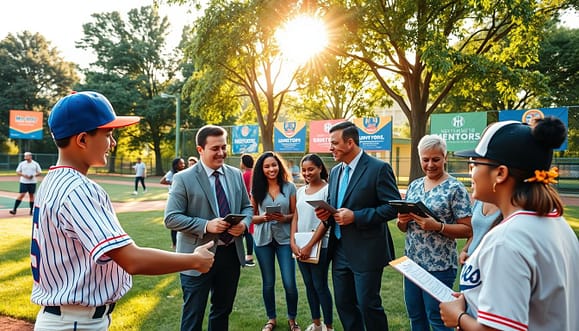
First, consider the player’s age and social needs. A quiet 10-year-old has different needs than a chatty 14-year-old. Next, look at personal goals. Does the player want to make the high school team, or just have more fun?
Learning style is huge too. Some kids learn by doing, others by watching. This level of detail sets your youth development programs apart.
What about personality? Should a shy player get an outgoing mentor? Sometimes, yes! A bubbly mentor can draw a kid out. Other times, a quieter, steady guide is better. It depends on the child.
How do you gather all this information? Use simple questionnaires for both players and mentors. Ask about hobbies, favorite subjects in school, and what they hope to get from the program.
This data helps you make an informed, intentional connection. You’re not guessing. You’re building a bridge based on real shared ground.
That first meeting becomes something special. Trust builds faster. Real growth begins. This careful process is what creates those magical, transformative relationships that set your youth development programs up for success from day one.
Training Mentors for Success
Imagine giving someone a baseball glove but not teaching them how to catch. That’s like sending an untrained mentor into a program. They start with passion and good intentions, but they need more to succeed.
Why is formal training so important? A caring adult might not know how to talk about failure. They might struggle to teach life lessons from sports. Training bridges this gap between intention and impact.
Leading programs don’t leave this to chance. Boston Scores has a “Coach Mentor Training Institute.” Their mentors learn from experts in youth development and more. The “Play Like a Champion Today Educational Series” also offers a curriculum based on sports science and research.
Your training should turn a volunteer into a confident guide. We recommend building it on these four essential pillars:
1. Active Listening & Positive Communication: Teach mentors to listen well and communicate positively. Role-play conversations to practice affirming language and asking open-ended questions.
2. Child Development & Psychology Basics: Give context. Understand what’s normal for different ages. Knowing this helps mentors set realistic expectations and respond with empathy.
3. Program Protocols & Safety: This is the rulebook. Clearly review codes of conduct, mandatory reporting procedures, and more. Safety is the foundation of trust.
4. Integrating Sports & Life Lessons: This is the magic. Train mentors to use baseball as a metaphor. A strikeout becomes a talk about perseverance. A team win sparks a discussion on collaboration. This is where player mentoring transcends the game.
This training creates a profound transformation. The table below highlights the stark difference between an untrained volunteer and a equipped mentor:
| Aspect | Untrained Volunteer | Trained Mentor |
|---|---|---|
| Approach to Challenges | May feel unsure or give generic advice; avoids difficult topics. | Uses structured tools and empathy to guide players through problems confidently. |
| Communication Style | Primarily directive (“Do this”); may do most of the talking. | Facilitative and inquisitive; practices active listening to empower the player’s voice. |
| Understanding of Role | Sees role as “helper” or “coach,” focused mainly on skill improvement. | Understands role as “developmental guide,” supporting both athletic and personal growth. |
| Impact on Player | Interaction may be positive but inconsistent and surface-level. | Fosters a deep, trusting relationship where sustained growth and life skill development occur. |
| Program Consistency | Creates variable experiences for players based on individual volunteer’s natural ability. | Delivers a reliable, high-quality mentoring experience for every child in the program. |
Investing in this training does more than protect your program. It empowers your mentors. They feel prepared, valued, and less likely to burn out. Most importantly, it ensures every child receives the same high standard of support, turning your vision for transformative player mentoring into a consistent, on-the-ground reality.
Goal Setting & Progress Tracking
Starting with a clear plan is key to success. In your baseball mentorship program, this plan is made through teamwork. It’s not just about winning games. It’s about teaching a skill that helps in life.
Goals have two parts. The first is about improving baseball skills. Maybe a player wants to hit better or throw strikes. The second part is about personal growth. This could be speaking up in team meetings or being kind after a mistake. Both parts are important for a player’s growth.
Using the SMART framework helps shape these goals. It turns vague wishes into clear plans:
- Specific: “Get better at hitting” becomes “Make solid contact on 7 out of 10 fastballs in the batting cage.”
- Measurable: Use numbers, times, or clear yes/no outcomes to track progress.
- Achievable: The goal should be a stretch, not a setup for failure.
- Relevant: Does this goal matter to the player’s overall growth and the team?
- Time-bound: Set a clear deadline, like “by the end of the next month.”
Goal-setting magic happens in a special session between mentor and player. The mentor guides, asking questions like, “What part of your game do you want to own?” or “What’s one thing off the field you’d like to feel more confident about?” They create 2-3 SMART goals that excite and challenge.
Tracking progress makes it better. But it should be fun! Think of the Everson Elementary running club, where students log miles with a QR code. Your baseball mentorship program can be just as engaging.
The tool can be simple. It might be a journal page, a phone app, or a colorful check-in sheet. The key is to be consistent. A weekly chat to review goals turns dreams into real progress. Did they work on the drill three times? Check. Did they speak up once? Check!
Small wins build confidence. Every achievement, no matter how small, deserves praise. This positive feedback boosts motivation and shows that effort pays off. That’s the real victory of your program.
By adding structured goal setting and fun tracking to your baseball mentorship, you give young athletes more than advice. You give them a system to achieve their dreams, both on and off the field.
Life Skills Integration
Successful youth development programs use sports as a way to teach young people. Baseball is a great tool, but the real win is when life lessons are learned. These lessons become part of the game.
The key is to move from implicit to explicit teaching. This means going from hoping players learn good character to actively teaching it. It’s about making those lessons a part of every drill and conversation.
Places like the Casper Ice Arena show the power of a holistic approach. They combine hockey with education and art. This shows that growing as a whole person builds confidence and ability.
So, how do you turn a baseball moment into a life lesson? It’s about the language and the chances you give to learn. Here are ways to teach accountability, sportsmanship, and emotional control.
This table connects common baseball situations to life skills they teach. Use these to guide your mentors.
| Baseball Moment | Life Skill Taught | Mentor Conversation Starter |
|---|---|---|
| Executing a double play | Teamwork & Communication | “What did you and your teammate need to say to each other to make that play work? How does clear communication help off the field?” |
| Striking out with bases loaded | Resilience & Emotional Control | “It’s okay to feel disappointed. What’s one positive thing you did in that at-bat? How can we use this feeling to focus for next time?” |
| Forgetting equipment or being late | Accountability & Responsibility | “Being part of a team means others rely on you. What’s one simple step you can take tomorrow to make sure you’re ready?” |
| Disagreeing with an umpire’s call | Respect & Sportsmanship | “How can we show respect even when we disagree? What does our reaction right now say about our character?” |
| Struggling to learn a new pitch | Growth Mindset & Work Ethic | “Let’s break this down into smaller steps. What part should we practice first? Remember, progress takes consistent effort.” |
By using this approach, your program does more than just develop athletes. It builds resilient, team-oriented individuals ready for life’s challenges. This is the true power of a youth development program.
College & Career Guidance
College and career guidance turns a baseball mentorship into a life-changing partnership. For many young athletes, their mentor is the first to show them what’s possible after high school. This part of player mentoring paints a bigger picture. It shows how success on the field connects to success in school and beyond.
This isn’t just about chasing an athletic scholarship. A holistic approach shows players that their academic performance opens doors. Whether it’s college baseball, a trade school, or a direct career, their hard work pays off. Organizations like Baseball Beyond Borders and AACE lead the way. They focus on academic excellence and preparing youth for life.
So, how does a mentor guide a player? They start with the basics. They help establish study habits and time management skills. If college athletics is the goal, mentors guide players through NCAA eligibility requirements.
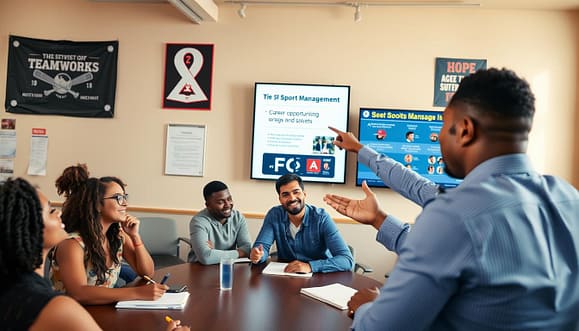
Next, they explore career options. The sports world offers many roles:
- Coaching & Scouting: Sharing the game with the next generation.
- Athletic Training & Physical Therapy: Keeping athletes healthy and performing.
- Sports Management & Marketing: Running the business side of teams and events.
- Sports Media & Journalism: Telling the stories of the game.
This exploration makes the future feel real and achievable. It’s not just a dream; it’s a set of real options to explore.
Practical life skills are also key. A mentor helps build a first resume, even for team-based experience. They practice interview skills and discuss networking. This creates a solid plan for after high school, whether it’s college, job searches, or military service.
Let’s look at the main areas where a mentor provides support:
| Guidance Area | Mentor’s Role | Player Outcome |
|---|---|---|
| Academic Support | Helps develop study schedules, connects players with tutors if needed. | Improved grades, stronger academic foundation. |
| College Pathways | Explains NCAA/NAIA rules, discusses different types of colleges (JUCO, D1-D3). | Informed decisions about higher education and athletics. |
| Career Awareness | Introduces sports-related careers, arranges informational interviews. | Broader vision for the future, identified interests. |
| Life Skills | Assists with resume writing, interview practice, financial literacy basics. | Increased confidence and readiness for adult responsibilities. |
Ultimately, this part of player mentoring empowers young athletes. It gives them the knowledge and tools to see a future where they are in control. They learn that with hard work and the right guidance, their dreams can come true.
Community Role Model Development
A successful baseball mentorship program changes lives, not just on the field. It makes a big difference in neighborhoods. Your program is a force for good, touching lives in many ways.
The young athletes in your baseball mentorship program learn more than just baseball. They gain confidence, discipline, and character. They become role models for others, showing what it means to be a good person.
At the same time, your mentors become key figures in the community. They offer support and guidance, creating a sense of family. Derek Brown of Boxing Out Negativity said, “We grew from a program to a family. Words cannot express the love that I have for Play Like a Champion, which is our champion.” This is what you aim for—making everyone feel valued.
To build community spirit, start with a clear vision. Focus on both players and mentors. Look at how they grow together.
| Aspect | The Player’s Journey | The Mentor’s Evolution |
|---|---|---|
| Primary Role | Learner & Athlete | Guide & Coach |
| Community Impact | Becomes a peer leader and positive example for younger kids. | Becomes a trusted advisor and stable figure for multiple families. |
| Key Contribution | Demonstrates good sportsmanship and hard work in public view. | Provides wisdom, stability, and connects families to resources. |
| Long-Term Outcome | Grows into a responsible young adult who gives back. | Embeds as a lifelong community pillar and advocate for youth. |
Three strategies can help you grow your program.
First, involve families directly. Host “Family Field Days” or post-game picnics. This strengthens the support network around each player. It turns your program into a community hub.
Second, create team service projects. Organize a park clean-up, a equipment drive for a younger league, or visits to a senior center. These activities teach players to look beyond themselves. A baseball mentorship that includes service shows young people they have the power to improve their own neighborhood.
Third, publicly celebrate contributions. Use your league’s website, social media, or local paper to highlight acts of leadership, kindness, or service from both players and mentors. Recognition reinforces positive behavior. It shows the community the good your program creates.
You are not just running a skills clinic. You are strengthening the community. By developing role models and celebrating their growth, your baseball mentorship program builds a legacy of leadership that lasts for generations.
Program Evaluation & Improvement
Think of your mentorship program as a living, breathing entity that needs regular check-ups to thrive. Continuous evaluation is the heartbeat of sustainable growth. This process isn’t about finding fault; it’s about loving improvement and ensuring your efforts create the impact you envision.
How do you gather the insights needed? Start with simple, anonymous surveys for your three key groups: players, parents, and mentors. Ask direct, open-ended questions like, “Do you feel supported by your mentor?” or “What is one thing we could do better next season?” This feedback is pure gold for shaping your youth development programs.
But don’t stop with surveys. Track concrete data points to see the full picture. Here are three vital metrics to monitor:
- Retention Rates: Are players and mentors returning season after season? High retention is a powerful sign of a healthy program.
- Academic Reports: Look for improvements in grades or school attendance. Mentorship often translates directly to classroom success.
- Behavioral Feedback: Connect with teachers and parents. Are they noticing positive changes in attitude, responsibility, or teamwork?
Just like the organizations celebrated as Project Play Champions, your goal is to implement specific, new actions based on what you learn. Maybe survey results show a need for more life skills workshops, or retention data indicates a mismatch in the pairing process. Act on it!
We recommend creating a simple annual review cycle. Sit down with your coaching and administrative team to discuss the collected data. Celebrate the wins, no matter how small, and honestly address the gaps. This commitment to evolution is what keeps youth development programs relevant, effective, and worthy of continued community support and funding.
Remember, a static program risks becoming obsolete. An evaluated and improving program, on the other hand, builds champions on and off the field. Your willingness to ask, “How are we doing?” and then listen to the answer, is your greatest tool for long-term success.
Success Stories & Case Studies
Let’s dive into how mentorship has made a real difference. We’ll see how it has helped players both on and off the field. Real success stories prove that mentorship works and offer a blueprint for your community, much like the timeless lessons found in classic baseball literature, which show how guidance and mentorship shape players and communities alike.
These examples show the power of player mentoring in action. They turn ideas into real-life examples of change.
Baseball Beyond Borders (BBB) is a great example. They created “in-town leagues” to solve the problem of unequal access. This approach builds local connections and a sense of belonging.
It makes coaches and mentors familiar faces. This strengthens bonds and makes guidance a natural part of the game.
The result is more than just teaching skills. It creates a support network for young athletes every day.
The St. William Athletic Association is another inspiring example. They made youth sports affordable for all families. They combined resources from several schools to create a sustainable system.
They kept costs low, with a maximum fee of $50 per player. This low-cost, inclusive approach made sure every child could play.
This shows that player mentoring doesn’t need a big budget. It’s about smart collaboration and making sports accessible to all.
These stories are real and powerful for your program. They prove that these strategies work. You can use them to convince donors, volunteers, and community leaders.
Sharing these successes boosts credibility and morale. They answer the “why” with solid evidence.
Now, start collecting and sharing your program’s victories. It starts with observing and listening.
- Focus on Growth: Look for stories of players gaining confidence, improving skills, or showing leadership.
- Get Specific: Instead of “he got better,” note “his swing mechanics improved after weekly sessions focusing on hip rotation.”
- Always Ask Permission: Ethically sharing stories requires consent from the athlete and their parents. Explain how their story will inspire others.
Start a “Victory Log” for coaches and mentors to record these moments. Over time, you’ll have a collection of evidence showing your program’s impact.
Your success stories are your best marketing tool. They turn player mentoring into a story your community can get behind.
Expanding Mentorship Networks
With a successful program, your vision can grow. Expanding your baseball mentorship reach is the next step. This means more players get the guidance they need to succeed.
Consider training your best mentors to become trainers themselves. This creates a sustainable pipeline. You can also develop a clear, replicable program model. This “program in a box” can be shared with other leagues or communities.
Strategic partnerships fuel growth. Follow the lead of organizations actively seeking ties with schools and afterschool programs. Ambitious campaigns, like multi-year funding drives to reach new cities, show what’s possible. Local businesses can offer support through funding or facility access.
Connecting with a wider professional network is key. The Baseball Industry Network connects thousands of baseball professionals. This community can offer insights and partnerships to help scale your efforts.
Your goal is to democratize the benefits of baseball mentorship. By expanding your network, you develop more young champions. You build a stronger future for the sport in your community and beyond.