Welcome! Let’s dive into building a strong, supportive community around your youth sports team. Imagine a season where every family feels like they’re part of the team’s success.
Think of a great practice or game like a well-executed play. Success comes from everyone working together, not just the athletes on the field.
When you turn sideline spectators into active team members, you gain a powerful ally. This change brings everyone together, making things easier for coaches.
The outcome? A better experience for everyone. It begins with clear communication and specific, thoughtful requests.
Small actions, like sharing practice plans early or giving out small tasks, make a big impact. They help everyone feel connected and invested.
We’re here to show you effective ways to build a strong team. Get ready to create a place where your team can grow and succeed together!
The Role of Parents in Youth Baseball Success
A parent’s role in youth baseball goes beyond cheering from the stands. You can do so much more than just cheer. You can help shape a positive season by getting involved in the day-to-day work.
At a typical practice, a coach faces a dozen kids. Without help, setting up and managing things takes too long. Baseball parent involvement is key to making practices safe and efficient.
So, what does this help look like? It’s the small, unseen tasks that make a big difference:
- Organization & Flow: Helping set up drills and manage equipment keeps things moving. This keeps players focused and active.
- Supervision & Safety: An extra pair of eyes helps ensure drills are safe and players stay on task.
- Skill Specialization: Parents with specific skills can help players improve faster. This is a big help for the coach.
Involved parents change the game. They make the coach-to-player ratio better. This means more attention for each player.
More Repetitions: Players get more practice, which helps build muscle memory faster.
Better Focus: With more supervision, kids stay focused. They get more personalized instruction.
A Safer Environment: More adults mean better safety during drills and quicker help if needed.
Active parental involvement is key to a child’s growth and enjoyment. Well-run practices make kids feel accomplished. They see their skills improve because they get to practice more.
Your role is more than just cheering. You’re a key part of the team’s success. By helping out, you help players grow faster and the team feel more positive.
Communication Framework Development
Imagine trying to navigate a new city without a map. That’s what managing a youth baseball team without a clear communication plan feels like. A solid team communication framework is your roadmap. It guides every interaction, sets the pace for the season, and ensures everyone arrives at the same place together.
Let’s start building your framework from the ground up. The cornerstone is your pre-season parent meeting. This isn’t just a quick hello. It’s your chance to share your coaching philosophy, season goals, and safety protocols. More importantly, it’s a vital opportunity to listen. When parents feel heard from day one, they become partners, not just spectators.
What should you cover in that first meeting? Keep it focused and positive. Explain your focus on skill development and fun. Outline basic schedules and your policy for weather cancellations. Most importantly, establish how you will communicate all season long. This clarity upfront prevents countless misunderstandings later.
With the foundation set, your ongoing team communication strategy keeps the structure strong. A simple yet powerful habit is sharing your weekly practice plan via email every Sunday evening. This shows parents the intent behind each drill. They see you’re working on base running or bunting. Suddenly, their questions at home become more informed, like “How did the relay drill go?” instead of a generic “How was practice?”
Choosing the right channels is key. Different tools serve different purposes:
- Group Email: Best for official schedules, practice plans, and important announcements.
- Team App (e.g., TeamSnap, SportsEngine): Perfect for real-time updates, quick polls, and RSVPs for games.
- Text Group: Reserve for last-minute changes, like sudden rainouts.
The rhythm of your updates matters as much as the content. A predictable flow—like a weekly email summary—creates reliability. Parents won’t have to hunt for information. They’ll know when and where to find it. This consistency turns your messages into something they look forward to reading.
Remember, this framework is an invitation. When parents understand the “what” and “why” behind practices, they can see where they fit in. Maybe a dad with a catching background can help during a specific drill. Perhaps a mom can organize the post-game snack schedule more easily. Clear communication transforms them from outsiders to invested team insiders.
Keep the conversation two-way. Encourage questions and feedback. Let parents know the best way to reach you with concerns. This open door, built on your initial framework, fosters trust. It ensures small issues are solved quickly, before they ever become big problems. Your team communication plan is the steady heartbeat of a successful and united season.
Volunteer Coordination & Management
Managing parent volunteers in youth baseball is more than just getting people to help. It’s about finding the right skills for each role. This approach makes parent engagement in youth sports more meaningful. When everyone knows their job, games run better, and coaches can focus on the players.
Begin this process before the season starts. Think of it as building your team’s support staff. Send out a simple survey to parents about their skills and availability. You might find someone great for working with pitchers or someone who’s good at organizing the schedule.
Then, create a clear “volunteer roster” for practices and games. This makes things clear and empowering! Give specific, named roles so everyone knows their part. Common roles include:
- Batting Station Manager: Oversees the hitting cage and equipment.
- Pitch Counter: Tracks pitches for player safety.
- First Base Coach: Provides consistent base-running guidance.
- Defensive Alignment Helper: Assists with positioning during drills.
This roster turns good intentions into real help. It keeps you from getting overwhelmed and lets parents feel like they’re part of the team. They’re not just watching; they’re helping the team succeed.
The last piece is a weekly meeting with your main volunteer parents. A 15-minute meeting after practice is great. Use it to assign tasks, get feedback, and make small changes. This keeps everyone in the loop and the system running smoothly.
By using this coordinated approach, you create a solid system for sustained involvement. Parents feel valued and useful, which makes the environment better for young athletes. That’s the main goal of good volunteer management.
Parent Education Programs
Teaching parents about baseball doesn’t mean making them experts right away. Many moms and dads want to help but feel they lack knowledge. It’s okay! Our goal is to educate and empower them, giving them confidence that helps the whole team.
Hosting a Coaches/Parents Clinic is a great first step. Pick a Saturday morning or Sunday afternoon. Just one hour is enough. It’s not about making professional coaches. It’s about creating a relaxed space where parents can learn basic drills and ask questions without fear.
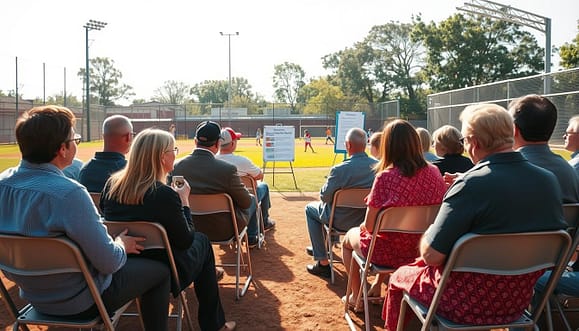
Show them simple throwing drills or fun fielding games. Let them try it out! This hands-on experience is very powerful. When parents understand what their child is doing, they can support them better at home.
Sharing your practice plans is another effective way to educate parents. When you email or post the week’s drills, you’re doing more than just telling them. You’re showing them the purpose behind each activity. This builds trust and helps parents see the development process.
Education shouldn’t stop at the field. You can also recommend online resources. For example, sharing a reputable online training course with a discount code (like PARENTS20) is a great idea. It lets interested parents learn more on their own time.
True baseball parent involvement is about more than just skills. It’s about teaching life lessons. Use your clinic or communications to highlight these lessons. When parents understand these goals, they can reinforce them at home.
This alignment is key for your team’s culture. An educated parent is a calm, supportive one. They are less likely to yell wrong instructions from the stands. Instead, they become positive role models for sportsmanship and effort. For more simple tips to involve parents in your baseball, check out our dedicated guide.
Start small. A single clinic can spark a wave of confident, engaged support. You’re not just teaching baseball; you’re building a community of learners where every parent feels valued.
Setting Boundaries & Expectations
Setting expectations is not about strict rules. It’s about creating a shared map for the season. It’s like setting the rules for your team’s community. Everyone knows their place and how to play fairly.
This approach to team communication builds trust. It stops confusion before it starts.
Begin at the first parent meeting. This is your chance to set your team’s core values. Talk about respect, teamwork, and giving your best effort. Discuss these values, not just list them.
Ask parents and players, “What does ‘respect’ mean during a tough game?” This makes values a shared mission, not just a coach’s rule.
Also, talk about the importance of a good coach-to-player ratio. Explain why it’s key for safety, skill growth, and giving each child attention. When parents understand the “why,” they’re more likely to help out.
Next, make daily expectations clear. Ambiguity can ruin a season. Be specific about what you expect to see and hear. For example, what does positive sideline behavior look like?
How should feedback be given to a player? What are the simple steps for talking to a coach about a concern?
| Expectation Area | What It Looks Like | Why It Matters | Parent/Player Role |
|---|---|---|---|
| Sideline Behavior | Cheering for all players, avoiding instructions that contradict coaches, respecting umpire calls. | Creates a supportive, low-pressure environment where kids can play freely and learn. | Model sportsmanship; focus on effort, not just outcomes. |
| Giving Feedback | Using the “sandwich” method: positive comment, constructive suggestion, positive encouragement. | Builds player confidence and makes coaching points easier to accept and apply. | Frame feedback lovingly; ask, “What did you learn?” after the game. |
| Coach Communication | Using email for non-urgent matters, setting a 24-hour “cool down” rule after games, scheduling chats, not sideline confrontations. | Protects coach focus during practices/games and ensures discussions are productive, not emotional. | Follow the protocol; trust the coach’s expertise on baseball decisions. |
| Team Values in Action | Picking up trash in the dugout, encouraging a teammate who made an error, always hustling on and off the field. | Turns abstract values into tangible habits that define your team’s character and culture. | Everyone, from youngest player to team grandparent, embodies the values daily. |
When you need help, be specific. Instead of saying “We need volunteers,” say, “We need two parents to manage the snack table for the first three innings this Saturday.” Specific requests are easier to agree to and make planning smooth.
This whole process is a powerful form of proactive communication. By setting these “rules of the road” together at the start, you create a safe, predictable place. Kids know what to expect from adults, and parents know how to support their athletes without overstepping. It turns possible conflicts into moments of unity.
The result? A season focused on player growth and fun, not managing misunderstandings. You’ve built a fence around your community, not to keep people out, but to define the space where everyone can thrive.
Conflict Resolution Strategies
A strong team community isn’t about avoiding conflict. It’s about how you solve it. Disagreements over playing time, coaching, or rules are common in youth sports. Your way of handling these moments shows your commitment to parent engagement.
Think of it as teaching kids to handle tough situations with respect. You also show parents their opinions matter, building trust. Let’s create a plan to turn tense moments into chances to strengthen the team.
Proactive communication is key. Share your philosophy, explain decisions in newsletters, and hold forums. This way, you can address concerns before they become big issues. When a parent talks to you, see it as a sign of their interest, not criticism.
Here’s a calm, step-by-step plan for when conflicts happen. This table shows the main actions and their goals, helping you navigate these situations.
| Step | Action | Goal & Outcome |
|---|---|---|
| 1. Pause & Schedule | Never address a heated issue in the moment. Thank the parent for bringing it to your attention and schedule a private time to talk, ideally within 24-48 hours. | Allows emotions to cool down and ensures a constructive, focused conversation away from the team. |
| 2. Listen First | In your private meeting, let the parent share their full perspective without interruption. Use phrases like “Help me understand…” to gather facts. | Demonstrates respect and validates their concern. You often discover the root cause isn’t the surface issue. |
| 3. Seek Common Ground | Clearly state your shared goal: the child’s positive experience and development. Frame the discussion around finding a solution that supports that goal. | Shifts the dynamic from “you vs. me” to “us vs. the problem,” fostering collaboration. |
| 4. Explore Solutions Together | Ask, “What do you think a good path forward looks like?” Offer your perspective and be open to compromise where it aligns with team values and safety. | Empowers the parent to be part of the solution, increasing buy-in and satisfaction. |
| 5. Agree & Follow Up | Clearly summarize what was decided. If needed, send a brief, polite email recap. Check in later to ensure the solution is working. | Provides clarity, prevents misunderstandings, and shows you are committed to a lasting resolution. |
What if finding a solution is hard? Sometimes, you must stick to a team rule or decision, even if a parent disagrees. Explain the “why” with empathy. “I hear your frustration about Johnny’s batting order. My decision is based on giving all players equal development time in different spots, which is a league rule we all agreed to. I’m committed to helping him improve in practice this week.”
Every conflict you resolve makes your community stronger. It shows the team can handle challenges respectfully. This builds a reputation for integrity, driving positive parent engagement in youth sports. You’re not just coaching baseball; you’re teaching life skills to everyone involved.
Fundraising & Event Planning
Let’s move from game-day details to the joy of coming together. Baseball parent involvement in events and fundraisers does more than just raise money. It builds a strong team family, creating lasting memories and resources.
Begin with fun. Organize social events that don’t focus on winning. A team picnic, bowling night, or a trip to a big league game are great. These activities help parents bond without the pressure of competition. A simple potluck after a game can make a big difference!
Fundraising can be seen as a team challenge, not just a task. When parents get creative, selling items becomes a shared goal. This mindset is key to increasing baseball parent involvement and making everyone feel part of the team.
Successful initiatives mix fun with fundraising. Here are some ideas that work well for team families:
- Spirit Wear Sales: Items like “Baseball Mama” T-shirts or team hoodies. They unite the team and raise funds.
- Themed Hit-a-Thon: Players get pledges for hits, making practice a fun fundraiser with a clear goal.
- Community Service Fundraiser: Host a car wash or yard clean-up. It boosts team pride, helps the community, and raises money.
- Restaurant Takeover Night: Partner with a local eatery where a percentage of sales from team families goes to your budget.
- Silent Auction/Social: Combine a parent social evening with an auction of donated goods or services.
The secret to success is using everyone’s talents. One parent might design spirit wear. Another might find auction items. A third might handle logistics. By letting parents use their skills, you create a sense of purpose. This is what true baseball parent involvement looks like.
Well-run events and fundraisers create a positive cycle. They fund important items, ease financial stress, and strengthen team bonds. This foundation is essential for elite youth baseball development programs, where teamwork is as important as skill. When parents are involved in the fun and work, everyone benefits.
Creating Inclusive Team Culture
Building an inclusive team culture begins with a simple question: what do we stand for? The answer forms your team’s core values. These aren’t just posters on a wall. They guide every practice and game.
Gather your players and parents to define these values together. Respect, teamwork, and effort are classic starting points. Respect ensures everyone feels safe. Teamwork turns individual talent into collective strength. Effort celebrates the process, not just the outcome.
Modeling these values starts with your daily team communication. How you greet each player sets the tone. Do you acknowledge the quiet kid getting his glove as warmly as the star shortstop? Your actions are the loudest speaker. Celebrate a diving catch, but cheer just as hard for the player who catches a routine pop fly. That’s leading by example.

Inclusivity means every player feels valued, regardless of skill. The less-experienced athlete needs to know their role is critical. Team communication here is key. Use specific, positive feedback. “Great job covering first base, Alex!” means more than a generic “good game.” Rotate leadership roles in drills. Let different players lead the warm-up. This shows trust and builds confidence.
Practical rituals make inclusion tangible. Try a post-game huddle where every player shares one positive thing they saw from a teammate. Institute a “hardest worker” award voted on by the players each week. These rituals strengthen team communication and create shared memories. They make everyone feel seen.
This culture is the soil where skills grow. A player who feels like they belong will take more risks, listen better, and try harder. They’ll love the game more. Your inclusive culture isn’t a side project. It’s your team’s foundation. It turns a seasonal group into a real community.
Start small. Pick one value to emphasize this week. Choose one new ritual to try. Watch how these intentional steps transform your team’s atmosphere. The wins will follow, but the connected team you build will last much longer.
Social Media & Digital Communication
Digital tools are a great way to keep parents involved and informed. This is at the core of successful parent engagement youth sports. Your team community doesn’t end when you leave the field. It lives on in every parent’s phone!
Start by picking one place for your team to meet online. It could be a private Facebook Group, a sports app like TeamSnap, or a messaging app. Choose the one most parents already use. This makes sure everyone knows where to find updates.
This online space is your main hub. Post updates, reminders, and alerts right away. Share photos or videos from games and celebrate players’ achievements. This keeps parents engaged and excited about the team.
Sharing in the joy of the team’s successes is key. Celebrate a player’s first hit or the team’s sportsmanship. This makes the team feel closer and strengthens parent engagement.
To keep things positive, set some simple rules early on. Encourage positive comments, save game critiques for private talks, and keep the group for team news. A friendly space makes parents eager to join in.
A well-run digital space keeps the team spirit alive all week. Parents feel connected and invested in the team’s success. A lively online community means stronger parent engagement in youth sports. It’s your virtual dugout, always ready for cheers.
Parent-Coach Partnership Building
Changing the way parents and coaches work together can make the whole team better. It’s not just about two roles; it’s about working together for your child’s growth. This partnership, built on trust and shared goals, is key to a successful season.
An open door policy is the foundation of this partnership. This means inviting parents to practices and keeping communication open. When a coach welcomes help during drills, it shows everyone is working together.
Regular meetings with parents are important for strengthening this partnership. Use these meetings to talk about how parents can support the team. Ask for their thoughts on what’s working and what can be improved. This shows you value their input and see them as partners.
Changing from a “my team” to an “our team” mindset takes consistent effort. Ask for feedback through surveys or casual talks after games. When parents see you listening and working together, they become your strongest allies. They understand decisions better and help create a positive team environment.
To show the difference, let’s compare old and new ways of working together.
| Aspect | Traditional Method | Collaborative Method | Impact on Team Culture |
|---|---|---|---|
| Communication | One-way announcements from coach. | Regular dialogue and feedback loops. | Builds transparency and reduces misunderstandings. |
| Practice Involvement | Parents drop off and pick up. | Open invitations for specific, helpful roles. | Fosters a shared sense of ownership and community. |
| Decision Input | Coach makes all tactical and logistical calls. | Parents consulted on non-core items like snack schedules or event planning. | Increases buy-in and satisfaction with the season’s flow. |
| Conflict Resolution | Issues are addressed privately, often reactively. | Proactive forums (like meetings) to air concerns constructively. | Creates a safe space for problem-solving before issues escalate. |
This table isn’t about losing your coaching role. It’s about sharing the team’s spirit and logistics. True baseball parent involvement means more than just cheering. It’s about working together to create a great season.
When you support this partnership, you get a united team. Parents help spread your coaching message at home. They manage the sidelines and support all players, not just their own. This teamwork makes the season better for every child.
Seasonal Engagement Activities
Imagine the laughter and camaraderie when families just enjoy each other’s company. These moments are key to a great season. Drills and games teach baseball, but it’s the fun off the field that builds real team spirit.
Think of your season as having a rhythm. We can plan simple, low-stress events for everyone to look forward to. This proactive approach to team communication ensures bonding is scheduled, not left to chance.
Let’s build a sample calendar you can adapt:
- Preseason Pizza Party: Host a casual meet-and-greet before the first practice. This icebreaker lets parents connect and kids start forming friendships without the pressure of performance.
- Mid-Season Team Hike or Movie Night: Around the halfway point, energy can dip. A non-baseball group activity, like a local hike or renting a theater room for a film, re-energizes everyone and strengthens bonds.
- End-of-Season Awards Barbecue: Celebrate the journey! This is less about trophies and more about recognizing each player’s contribution. A potluck barbecue in a park is the perfect, relaxed setting.
These activities are the glue of your community. Inside jokes are born here. Parents who might only exchange sideline nods become friends. The team’s unique identity solidifies away from the baseline.
Your weekly planning meetings are the perfect time to slot these events into the shared calendar. This visual plan becomes a central part of your team communication, keeping everyone informed and excited. The first source’s concept of structured meetings ensures these fun dates get the same priority as game times.
Now, how do you make it happen without burning out one person? Delegate! This is where parent volunteers shine. Making event planning a shared project spreads the work and increases investment.
For example, one family can coordinate the pizza order for the preseason party. Another can scout the picnic location for the final barbecue. When everyone contributes a small piece, the entire community feels ownership and enjoys the result more. This shared responsibility is a powerful form of team communication in action.
Don’t forget the great ideas from our second source: attending a professional baseball game together, a team bowling night, or a simple picnic at the park. The goal is shared experience. These events create the positive memories that families will talk about for years, long after the season’s win-loss record fades.
By intentionally weaving these engagement activities throughout your season, you’re doing more than planning fun. You’re building the relational infrastructure that supports great team communication and a positive experience for every player and parent involved.
Building Long-term Community Loyalty
Your journey in youth sports aims to create a lasting legacy. Strong parent engagement turns a season into a lasting community bond. It’s not just about winning or losing. It’s about building a baseball family that comes back every year.
Begin with simple traditions. A special season-opening ceremony or an annual charity game creates lasting memories. These rituals make everyone feel part of something bigger. They turn a team into a tradition families look forward to joining.
Showing genuine gratitude builds loyalty. Thank your volunteers and parents with heartfelt thanks. When people feel valued, their connection grows stronger. This appreciation is what keeps the community loyal for years, much like the timeless lessons found in classic baseball literature, which emphasize respect, mentorship, and the spirit of the game.
You’re not just coaching a team. You’re building a network of support and friendship. The community you create today will support future seasons. That’s the real victory of dedicated parent engagement.