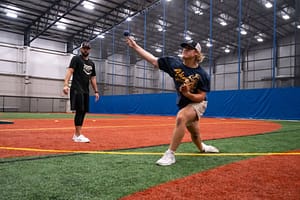
The research supplied for this topic does not verify that Gio Rojas has joined the Texas Rangers as of August 13, 2026, so young Texas pitchers should treat that storyline with caution rather than build training goals around an unconfirmed player example. That does not make the topic useless. It gives families, coaches, and players a chance to talk about something more valuable: how to build a development plan that protects the arm, grows skill over time, and keeps the player excited about baseball.
In Texas youth baseball, pitcher development can move fast. A good weekend on the mound can lead to more innings, more attention, and more pressure. That is exactly why families need verified guidance, not rumors or highlight-only stories. A young pitcher does not need a dramatic path to be worth developing. He needs healthy throwing habits, steady rest, age-fit strength work, clear feedback, and adults who know when to slow the pace.
Why Young Texas Pitchers Need Verified Models
Young Texas Pitchers Need Verified Models, Not Rumors
A player story can be inspiring, but only if the details are confirmed. In this case, the supplied research says there is no public information verifying a Gio Rojas move to the Texas Rangers. For coaches, that is a reminder to be careful with examples used in team meetings or training programs. A story that cannot be checked should not become the main model for a kid’s throwing plan.
Better models come from sound development principles. The MLB Pitch Smart program, developed with USA Baseball, gives age-based pitch count and rest guidance. The American Sports Medicine Institute also shares youth pitching recommendations that warn against overuse and year-round pitching. Those sources may not sound as exciting as a prospect story, but they are much more useful for a family trying to keep a 10-, 12-, or 14-year-old healthy.
What A Real Pitching Path Should Measure
For young Texas pitchers, the first question should not be, “How hard does he throw?” A better first question is, “Can he repeat his delivery, recover well, and throw strikes without pain?” Radar readings can be part of the picture later, but early growth should include command, athletic movement, mound confidence, and recovery after outings.
Texas families often see players move between league games, school workouts, private lessons, and tournament weekends. That makes communication a development tool. If one coach does not know what the player threw earlier in the week, the player may carry a workload nobody fully sees. A simple shared pitch log can help parents, coaches, and trainers stay on the same page.
Building A Safer Pitching Plan
Pitch Counts And Rest Days Come First
USA Baseball’s Pitch Smart guidance lists 75 pitches as the daily maximum for ages 9-10, and it calls for four days of rest after 66 or more pitches for players in the 9-14 age range. Those numbers matter because young arms are still growing. A pitcher may say he feels fine after a long outing, but fatigue can show up later in command loss, dropped arm slot, soreness, or a rushed delivery.
Coaches should build the week before the weekend starts. If a player is expected to throw Saturday, then Friday should not become a long bullpen day. If he threw a heavy count on Sunday, Monday should not be a high-effort mound lesson. Families looking for more Texas-specific arm care ideas can use this practical breakdown on protecting young pitchers’ arms as a companion to Pitch Smart guidance.
Avoiding Early Specialization Pressure
Early specialization can be risky for young pitchers, especially if it leads to year-round throwing without enough rest. The supplied research points to American Sports Medicine Institute recommendations on limiting young pitchers, avoiding year-round play, and following pitch count guidance. That fits what many Texas coaches see on local fields: kids who play too much too soon may lose joy before they gain skill.
A healthy plan gives players time away from the mound. That does not mean time away from all movement. Young athletes can play other positions, build general coordination, work on hitting, run, jump, and learn how their bodies move. A shortstop who pitches once a week may become a better athlete than a pitcher who throws hard every weekend but never learns balance, rhythm, or fielding skill.
- Track all throws: Count game pitches, bullpen work, and high-effort lesson throws.
- Respect rest: Do not use “he only threw an inning” as the only workload measure.
- Watch fatigue: Pull a pitcher when mechanics fade, even if the count is still legal.
- Plan breaks: Build periods without mound work during the year.
- Share information: Parents, coaches, and trainers should know the weekly workload.
Training Beyond The Bullpen
Mechanics, Strength, And Growth Timing
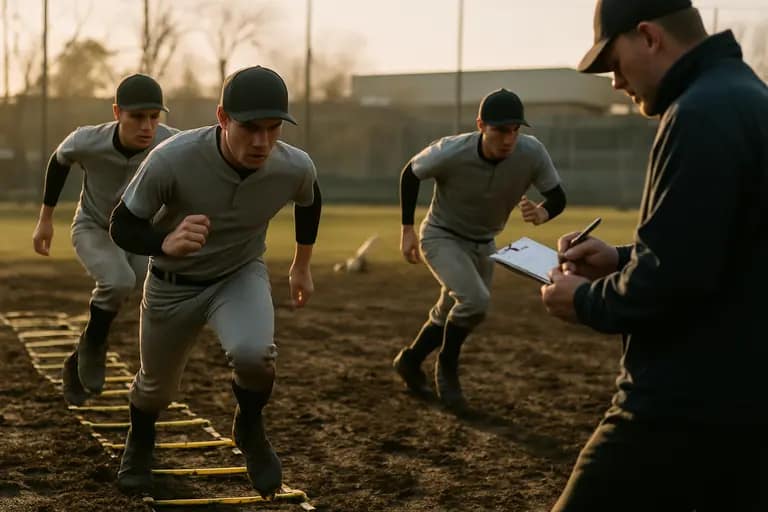
Biomechanical analysis can help identify inefficient movement patterns, especially when a pitcher struggles with repeatability or discomfort. That does not mean every family needs advanced lab testing. A qualified coach can often start with video, side-by-side checkpoints, and clear movement cues. The goal is not to make every pitcher look the same. The goal is to help each athlete throw with balance, direction, and less stress.
Age-appropriate strength and conditioning can support durability. For younger players, that may mean bodyweight strength, mobility, sprint mechanics, balance work, and throwing readiness. For older youth players, a trained professional can help build a program that fits their maturity level. Heavy lifting without supervision is not the answer. Better movement, gradual progress, and recovery habits are safer building blocks.
Mental Skills And Game Pressure
Pitching is not only physical. A young player has to handle walks, errors, tight innings, loud dugouts, and parents who mean well but sometimes add stress from the bleachers. Mental skills training can help pitchers breathe, reset, and focus on the next pitch. That skill matters in a Saturday pool game just as much as it matters in a school playoff setting later.
Coaches can teach simple routines. Step behind the mound after a miss. Take one breath. Pick up the sign. Commit to the target. These habits give young Texas pitchers something they can control when the inning gets messy. Confidence grows when players know what to do after a mistake, not just when everything is working.
Nutrition and hydration also support performance. The supplied research points to balanced diet and hydration as part of pitcher development. In Texas heat, players need to treat fluids, shade, and recovery food as part of training. A pitcher who skips meals, drinks little water, and then tries to command the ball in a late afternoon game is making the job harder than it needs to be.
What Young Texas Pitchers Need Next
Parents And Coaches Set The Pace
Regular medical check-ups can help catch early signs of overuse or health concerns. Parents should listen when a player mentions shoulder or elbow pain, and coaches should never ask a young athlete to “push through” arm pain. That is not toughness. That is poor development. If pain appears, the next step should be rest and a qualified medical evaluation.
A clear player pathway also helps families avoid panic decisions. Evaluation, grouping, and goal setting can turn a season into a step-by-step plan instead of a chase for the next event. For families building that structure, this local resource on player pathway planning connects well with pitcher development because it keeps goals realistic and measurable.
The Gio Rojas angle may not be verified, but the lesson is still useful: do not let an unconfirmed story drive training choices. Young Texas pitchers need adults who value health as much as performance, skill as much as speed, and patience as much as attention. If a player learns to prepare well, rest well, compete with focus, and grow at a steady pace, he is already on a strong baseball path.