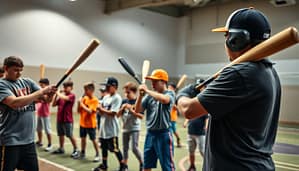
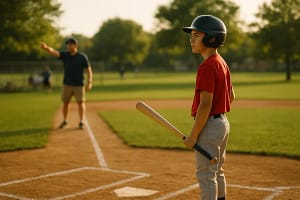
Five Tool Texas tournament weekends can teach Texas youth baseball coaches more than who won pool play. For families moving through San Antonio, Houston, and other Texas baseball stops, the better question is simple: what did the weekend reveal about the player’s swing decisions, throwing load, fielding habits, speed, and poise under schedule pressure?
The research available here supports two clear facts. Five Tool Youth Baseball states that it limits teams to a maximum of six games per weekend and uses pitch counts, which puts player health into the tournament structure Five Tool Youth Baseball. Five Tool Players describes its focus on the fundamentals of baseball, including hitting for average and power, speed, arm strength, and fielding ability Five Tool Players fundamentals. Those facts are enough to build a practical coaching plan for Texas teams without guessing at dates, brackets, or unverified player results.
What Five Tool Texas Teaches Texas Coaches
Tournament baseball is a stress test. A clean practice swing on Tuesday can look different after a hot Saturday morning, a long drive, and a second game against better pitching. That is not a failure. It is information. Coaches should treat each weekend as a scouting report on their own practice plan.
The Five Tool model named in the research points toward a balanced player: hit, hit for power, run, throw, and field. Youth coaches in Texas can use that frame to avoid becoming a one-skill team. A lineup that only trains cage swings may get exposed by pressure bunts, first-and-third reads, or routine throws that become rushed. A team that only runs and throws may struggle when pitchers change speed. Tournament play shows the gaps fast.
Five Tool Texas Practice Notes After Pool Play
Right after a tournament, coaches should not start with a speech about effort. Start with notes. Which hitters chased up? Which infielders fielded flat-footed? Which outfielders drifted instead of crossing over? Which pitchers lost direction to the plate? These are coaching clues, not labels for a kid.
A useful post-weekend review can be short: one hitting point, one defensive point, one baserunning point, and one arm-care point. That keeps feedback clear for 9U through middle school players. If a player hears ten corrections at once, the next practice gets noisy. If he hears one clear cue, he can work.
Turning Travel Games Into Skill Evidence
San Antonio-to-Houston baseball travel can wear on families, especially across long tournament days. The upside is that players see different mound tempos, defensive styles, field conditions, and dugout energy. Coaches can turn those moments into teachable film without making every at-bat feel like a final exam.
For example, if a hitter rolls over three outside pitches in bracket play, the next cage session should not be random front toss. Set the machine or coach toss on the outer third and train the hitter to drive the ball through the middle. If a shortstop rushes a routine grounder after a long inning, the next infield period should include game-speed resets: field, breathe, replace feet, throw through the target.
Arm Health Belongs In The Weekend Plan
The clearest health lesson from the research is that game volume and pitch counts matter. A six-game cap and pitch-count structure are not small details. They remind coaches that a youth tournament is still youth baseball. The player’s next month matters more than squeezing one more inning from a tired arm.
Texas coaches should build pitching plans before the first game, not while a kid is standing on the mound with two runners on. That means knowing who can start, who can bridge, who can close, and who should not pitch at all after catching heavy innings. The research provided does not give catcher-pitcher combo rules, so coaches should follow their league or tournament rules and choose the safer option when fatigue is visible.
Simple Pitching Debriefs For Young Arms
After each outing, ask three plain questions: Did the pitcher hold direction to the plate? Did his arm slot change as he got tired? Did his misses move from competitive misses to non-competitive misses? Those answers tell a coach whether the next bullpen should be mechanical, command-based, or skipped for recovery.
A good Texas practice after a tournament does not need every pitcher throwing full bullpens. Some players need band work, light catch, and lower-body movement. Some need pickoff footwork. Some need a shorter strike-throwing session. The goal is to develop the arm, not win Tuesday practice.
Drills That Match The Five-Tool Skill Set
The fundamentals named by Five Tool Players give coaches a useful weekly map. Build practice so every player touches hitting for contact, power movement, speed, arm strength, and fielding. This does not require a three-hour practice. It requires stations that connect to what happened in games.
For teams building from a Five Tool Texas weekend, the best drills are specific. If hitters were late all weekend, use short front toss and fastball timing rounds. If the team missed cutoff men, use outfield-to-infield relay races with a scoring system. If baserunners froze on balls in the dirt, rehearse reads from first and third until the first step becomes natural.
- Contact Station: two-strike rounds where hitters shorten the move, track longer, and use the middle of the field.
- Power Movement Station: controlled tee work focused on hip turn, posture, and staying behind the ball.
- Speed Station: home-to-first starts, secondary leads, and dirt-ball reads with clear stop points.
- Arm Strength Station: throwing progressions that stress footwork and carry without max-effort throws every rep.
- Fielding Station: routine ground balls, slow rollers, and backhand plays finished with accurate throws.
This is also where coaches can compare notes with other development plans. A related Texas coaching piece on Five Tool Texas lessons makes sense for staffs trying to connect tournament reps with safer pitching plans and sharper daily work. For summer heat, travel, and pool-play routines, summer tournament skills can help coaches think through warmups and bench time.
San Antonio To Houston Training Adjustments
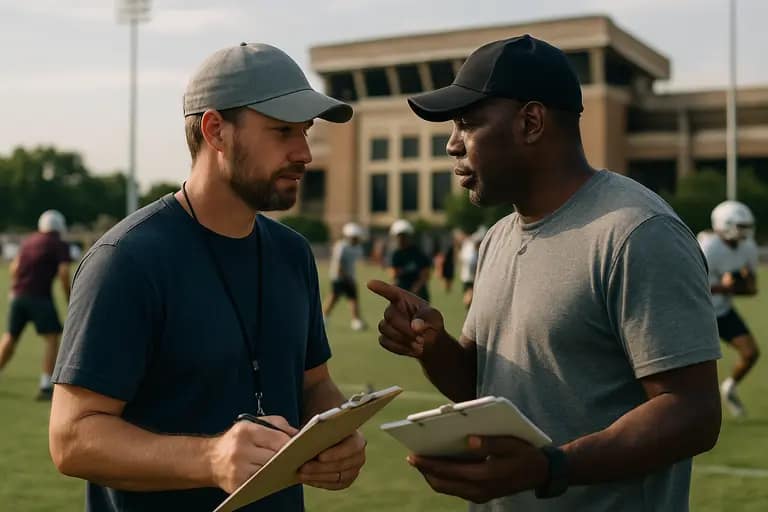
The research topic points to San Antonio and Houston as Texas baseball reference points. Without verified event dates or venue details in the allowed sources, it is best to treat those cities as examples of the travel range many Texas families understand. The training lesson still holds: road baseball changes the body and the attention span.
A player who wakes up early, rides in a car, warms up fast, and plays in Texas heat may not move like he does at a local evening practice. Coaches should plan warmups that restore rhythm. Start with movement, then throwing, then defensive footwork, then hitting prep. Skipping straight to hard throws or full-speed swings is asking young bodies to catch up too quickly.
Practice Rhythm After A Road Weekend
The first practice back should be lighter on volume and stronger on learning. Use stations, short rounds, and clear teaching points. Let players explain what they saw: better breaking balls, faster infield pace, louder dugouts, or tougher outfield reads. That player feedback helps coaches find out whether the issue was skill, confidence, or preparation.
For Five Tool Texas development, a Tuesday practice after a Sunday finish might look like this: movement prep, light catch, team defense review, one hitting adjustment, baserunning reads, and a short competitive finish. That gives the team a reset without turning recovery into a lost day.
Five Tool Texas Takeaways For Local Development
Five Tool Texas lessons are most useful when coaches bring them home. A tournament should not be treated as a separate world from practice. It should shape the next week’s work, the next month’s goals, and the way parents understand development.
For Texas youth baseball families, the best sign is not a trophy photo. It is a player who learns why he missed, how to adjust, how to care for his arm, and how to compete again without panic. Coaches who use tournament evidence wisely can build better hitters, steadier defenders, smarter baserunners, and healthier throwers.
The supported facts are simple: Five Tool Youth Baseball places health limits inside its tournament approach, and Five Tool Players emphasizes a broad set of baseball fundamentals. From there, the coaching job is local and practical. Watch the games, record the patterns, protect the arms, and turn the San Antonio-to-Houston grind into better baseball habits for the next practice.