Texas Baseball Tournaments are more than weekend brackets and crowded parking lots. For Texas families, coaches, sponsors, and volunteers, a well-run tournament can turn a ballpark into a shared community project. The games matter, of course. So do the hotel rooms, team meals, field crews, umpire assignments, concession shifts, and first-time memories for young players who start to see baseball as part of their hometown identity.
Why Texas Baseball Tournaments Matter Locally
Texas Baseball Tournaments As Shared Civic Work
Hosting a major baseball tournament asks a town to work together. Parks staff prepare fields. Local businesses handle the lunch rush. Parents fill volunteer slots. Coaches manage warmups, dugout traffic, and roster depth across long days. Sponsors help cover banners, awards, uniforms, field needs, and sometimes entry costs for families who could use the help.
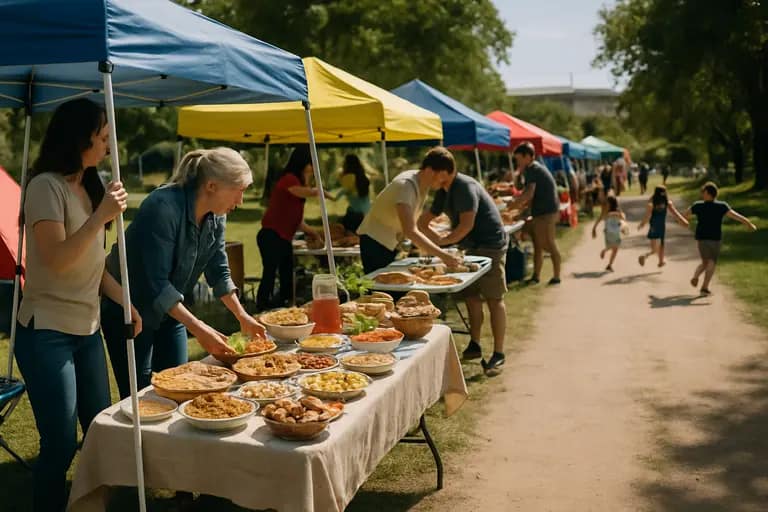
That shared effort is where community value starts. A tournament gives people a reason to show up for youth baseball even if they do not have a child in the lineup. A local restaurant owner may sponsor a team. A retired coach may help drag an infield. A high school player may work a gate or mentor younger kids between games. These small acts do not always make a headline, but they are the daily work that keeps baseball accessible.
Texas has seen how large events can affect a local economy. The 2024 Houston Livestock Show and Rodeo generated $326.4 million for the local economy, a 44% increase from 2019 and close to the $347 million impact of the 2017 Super Bowl at NRG Stadium, according to Axios Houston reporting. That is not a baseball tournament figure, and it should not be treated as one. It does show the wider point: when visitors gather for a major event, local spending can reach well beyond the venue.
How Tournament Weekends Spread Spending
Baseball tournaments work on a smaller, repeatable rhythm. Families arrive before first pitch, buy gas, eat between games, stay overnight when the schedule calls for it, and look for local spots where siblings and grandparents can rest between innings. Even a modest tournament can touch hotels, restaurants, grocery stores, sporting goods shops, print vendors, and city park operations.
For communities, the practical question is not only how many teams come. It is whether the event is organized in a way that keeps families returning. Clean restrooms, safe parking, clear schedules, shaded seating, fair gate operations, and quick weather communication all shape the experience. A town that treats tournament hosting as hospitality, not just facility rental, gives baseball families a reason to come back.
Youth Participation Around Texas Baseball Tournaments
From One Weekend To A Longer Baseball Path
Texas Baseball Tournaments can help young players see the sport beyond their regular league schedule. A player who faces a new opponent, plays at a different complex, or watches an older division compete may come away with a new goal. For some kids, that goal is making better contact. For others, it is learning a new position, improving footwork, or staying calm on the mound when the inning gets loud.
Major League Baseball has made youth participation a public priority through Play Ball, an initiative launched in 2015 that has reached nearly 7 million children, according to MLB youth participation coverage. That national effort connects with what many Texas communities already know: access, encouragement, and positive early experiences help keep children in the sport.
Tournaments can support that goal when they are built with young athletes in mind. Balanced scheduling matters. So does arm care, clear age divisions, reasonable warmup space, and coaches who do not treat every pool game like a professional tryout. The best tournament weekends give competitive players a challenge without making families feel like baseball has become closed off to anyone outside the top roster tier.
Keeping Access In The Conversation
Community-first hosting also means paying attention to cost. Entry fees, travel, food, uniforms, and equipment can add up fast. Local sponsors and civic partners can help by funding scholarships, covering field rentals, donating water, supporting umpire development, or helping leagues keep registration within reach.
That is where youth baseball organizations become more than schedule makers. They can connect families, sponsors, coaches, and volunteers in a way that keeps the sport open. For a related look at that kind of support, Texas baseball families can read about how youth baseball organizations build future players through access, coaching, mentors, and practical community help.
Partnerships That Make Hosting Work
Local Sponsors Need Clear Roles
A tournament sponsor should understand what the partnership supports. Some businesses may want a banner on the outfield fence. Others may prefer to fund dugout water, field chalk, player awards, or a volunteer meal. A clear sponsorship menu helps small businesses participate without feeling priced out.
Good partnerships also respect the families at the park. A sponsor presence should feel helpful, not intrusive. A local clinic offering hydration reminders, a restaurant providing team meal packages, or a sporting goods store helping with last-minute gear needs can fit naturally into a tournament weekend. The strongest sponsors become part of the baseball community because they solve real needs.
Volunteers Set The Tone
Volunteers often decide whether a tournament feels welcoming. The person at the gate, the parent running concessions, the board member answering weather questions, and the crew fixing a mound between games all shape the day. Training volunteers before the event is worth the time. It reduces confusion and helps families get answers without chasing three different people across the complex.
- Post schedules and field maps where families can find them quickly.
- Assign volunteer leads for gates, concessions, field prep, and weather updates.
- Create a simple communication plan for delays, field changes, and safety concerns.
- Thank sponsors and volunteers in ways that name their specific contribution.
Texas Baseball Tournaments run better when everyone knows the job before the first team arrives. That planning also protects the reputation of the host league. A smooth weekend makes coaches more likely to register again, families more likely to speak well of the town, and sponsors more likely to renew support.
Building Better Tournament Weekends
Facilities Are Part Of Player Development
Fields do not need to be fancy to serve young players well. They need to be safe, prepared, and managed with care. Good backstops, playable infields, working lights where night games are scheduled, safe dugouts, and clear foul-ball areas all affect the quality of play. These details also show families that the host values the players.
For Texas communities trying to grow tournament activity, infrastructure planning should match the age groups being served. Younger divisions need safe base paths, clear parent areas, and patient game-day operations. Older divisions may need more warmup space, reliable pitching mounds, and schedules that account for pitcher rest and roster depth. A facility plan tied to real baseball needs will serve families better than one built only around crowd size.
Events Should Serve The Home League Too
The home league should not disappear under the weight of a major event. Hosting should leave something behind: better fields, trained volunteers, stronger sponsor ties, new equipment, or more community interest in local teams. If a tournament only creates a busy weekend but does not strengthen local baseball, the model needs work.
Texas communities can also learn from nearby tournament success without copying every detail. Town size, field count, volunteer base, weather patterns, and hotel access all matter. A useful tournament plan starts with honest capacity. For another Texas-focused angle on event planning and local value, see how a Texas championship can drive youth baseball growth across tournament towns.
Why Texas Baseball Tournaments Matter For Texas Towns
A Strong Host Builds Trust
Texas Baseball Tournaments can bring together the best parts of local baseball: competition, hospitality, volunteer service, small-business support, and youth development. The significance is not only in the trophy presentation. It is in the way a town prepares, welcomes families, protects players, and uses the event to build lasting support for the sport.
For community leaders, the practical path is clear. Treat tournament hosting as a partnership between parks, leagues, schools, sponsors, coaches, and families. Keep claims realistic. Track what can be tracked, such as registrations, volunteer hours, sponsor support, field costs, and local feedback. Then use those lessons to improve the next event.
When the work is done well, Texas Baseball Tournaments give young players more than extra games. They give families a reason to gather, businesses a reason to invest locally, and volunteers a place to serve. That is the kind of baseball impact Texas towns can build on season after season.