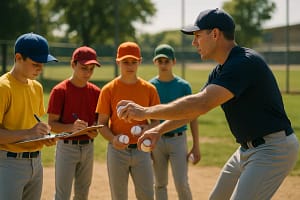
Youth Baseball Organizations do not produce future stars by accident. In Texas, the best local programs give young players a place to learn the sport, build confidence, meet caring adults and stay connected to their neighborhood fields. The first lesson is simple: talent needs access before it can grow. A player cannot become a steady shortstop, a late-blooming pitcher or a future varsity contributor if the family cannot afford registration, gear, lessons or tournament travel.
The research supplied for this topic is national and Washington, D.C.-focused, not Texas-specific, so it should be read as a warning for Texas leagues rather than proof of a statewide trend. Still, the message fits what many baseball families already understand. Cost, coaching time, field space and volunteer energy shape who gets to keep playing. Local organizations can close those gaps by keeping community ball strong, welcoming new families and building partnerships that serve players before trophies.
How Youth Baseball Organizations Build The Base
Community Ball Before The Spotlight
Local baseball starts with ordinary evenings: a parent dragging a field, a coach setting cones, a sponsor buying jerseys and grandparents setting up chairs along the fence. Those moments may not look like player development on a spreadsheet, but they create the base that young athletes need. Repetition matters. So does feeling safe enough to fail, ask questions and come back the next week.
In Texas, where travel distances can be long and spring calendars fill quickly, neighborhood leagues still give families a practical entry point. A local program can introduce tee-ball players to throwing lanes, teach machine-pitch players how to listen in the dugout and help older players prepare for school tryouts. Not every child needs the same baseball path. Some need extra reps, some need a ride, some need a coach who notices that they are close to quitting and pulls them back in.
Texas Identity Starts At Local Fields
Local leagues also help young players feel connected to Texas baseball culture. That culture is not only about high school programs, showcase weekends or college recruiting. It is also about small fields, shared coolers, dusty cleats and teams that know each family by name. A player who learns the game in that setting often carries more than mechanics. He or she carries habits: being on time, backing up a teammate, respecting umpires and taking care of the field after the last out.
Access Is The First Player Development Tool
Youth Baseball Organizations And Access
Youth Baseball Organizations have to treat affordability as part of player development. National reporting cited a large participation gap: in 2016, nearly 70% of children from families earning more than $100,000 played team sports, compared with about 35% from families earning less than $25,000, according to a reported participation gap. That is not a baseball-only problem, and it is not presented here as Texas-only data. It does show why local leagues need scholarships, used-equipment drives and sponsor support that reaches families before they quietly opt out.
Access also includes time and transportation. A family may be able to pay a fee but still struggle with weekday practices across town. A league may be affordable but hard for new parents to understand. Clear communication, posted schedules, simple registration steps and honest cost expectations can keep families from feeling shut out. For more ideas on building that support network, Texas leagues can use practical community planning from strong community support without making every solution depend on one overworked board member.
Keeping The First Door Open
The first baseball experience matters. If a child shows up with a borrowed glove and leaves feeling embarrassed, the sport may lose that player. If that same child is greeted by a coach who says, “We have a glove you can use today,” the season can turn. That is why equipment closets, fee assistance and welcoming volunteers are not side projects. They are baseball development tools. They keep the first door open long enough for skill to appear.
Coaching, Mentorship And Local Trust
Development Is More Than Private Lessons
Private instruction can help, but local coaches often see players in a fuller way. They know who is growing fast, who is nervous against live pitching, who needs help reading fly balls and who might lead if given a chance. Good coaching at the community level builds athletic skill and personal trust at the same time. That mix is powerful because young players listen more when they believe adults care about them beyond the box score.
Mentorship matters for the same reason. Older players, alumni, high school athletes and former league families can all help younger athletes see a path. A 10-year-old may not understand recruiting or varsity depth charts, but he can understand a 16-year-old showing him how to grip a changeup or handle a strikeout. Local organizations should give those connections structure, especially during clinics, preseason workdays and summer camps. Parent trust grows when roles are clear, expectations are shared and communication stays steady. A good starting point is building family buy-in through parent involvement in youth baseball.
Representation Helps Players Stay With The Game
The supplied research includes examples of professional and prospect involvement in youth programs, especially around representation for Black baseball players. Without adding claims beyond that research, the practical lesson for Texas is clear: kids benefit from seeing people who look like them and understand their experience. That can be a college player, a varsity catcher, a local coach, a former league parent or a volunteer who simply shows up every week. Visibility can make baseball feel possible.
Where Youth Baseball Organizations Need Partners
Sponsors Should Support Access, Not Just Banners
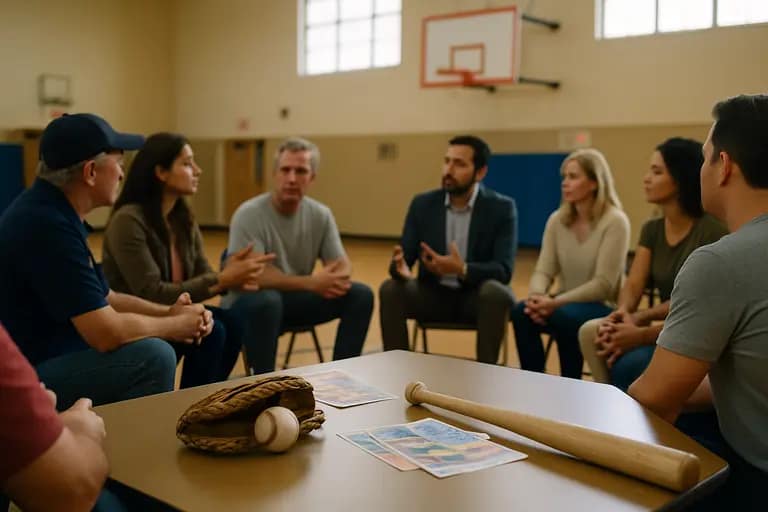
Youth Baseball Organizations cannot carry every need alone. Local businesses, civic groups, schools, churches and alumni families can help make the season more stable. A sponsor banner is welcome, but a sponsor who funds scholarships, covers umpire costs, buys catcher gear or supports field maintenance can have a direct effect on who plays and how safely the league operates.
Partnerships work best when leagues explain the need in plain terms. Instead of asking for general donations, a board can say that a set amount funds registration for a family, replaces worn helmets or helps keep a skills clinic free. That gives sponsors a clear line between their gift and the kids on the field. It also helps local businesses see baseball as a neighborhood investment, not just advertising.
Schools And Parks Matter
Field access is one of the quiet issues behind player development. If practice space is limited, coaches may rush fundamentals. If fields are unsafe or unavailable, younger players lose reps. Texas leagues that build working relationships with schools, parks departments and facility managers can plan better seasons. Clear calendars, shared maintenance expectations and respectful use of fields protect those relationships. A clean dugout after a Saturday tournament can matter more than a long speech at a board meeting.
What Texas Leagues Can Do This Season
Practical Steps For Local Boards
The strongest Youth Baseball Organizations tend to be practical. They do not need every answer before they improve the season. They pick a few needs, assign owners and follow through. For a Texas league, that may mean tightening registration communication, starting a scholarship fund, inviting high school players to help at clinics or creating a simple gear swap before opening day.
- Build an access fund: Set aside sponsor dollars or donations for registration help, basic gear and clinic fees.
- Create a used-gear system: Collect clean gloves, bats, helmets and cleats, then distribute them privately and respectfully.
- Train volunteer coaches: Offer a preseason session on age-appropriate drills, safety expectations and positive communication.
- Invite mentors: Ask alumni or local high school players to assist at skill days with clear adult supervision.
- Share the calendar early: Give families dates, costs and travel expectations as soon as possible.
These steps are not flashy, but they help families stay. Retention is part of development. A player who returns for a second and third season has more time to grow, more chances to find the right position and more relationships that tie the family to the league.
Why Local Baseball Roots Matter In Texas
Future Stars Need A Place To Start
Texas baseball has many visible stages, from school diamonds to tournament parks. Before any player reaches those stages, someone usually taught them how to stand in the box, how to warm up a teammate and how to shake hands after a tough loss. That work often happens in local programs with volunteers and community partners doing the steady jobs that do not always get public credit.
Youth Baseball Organizations that focus on access, coaching, mentorship and local trust give future stars a fairer start. They also serve the players who may never chase college baseball but still gain discipline, friendship and pride from the sport. That is a win worth protecting in Texas towns and neighborhoods. The next standout may need better competition someday, but first that player needs a field, a coach, a team and a community willing to keep the gate open.