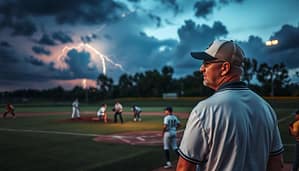
Texas Baseball Tournaments are more than a weekend bracket. For families, they can mean a full stretch of games, travel plans, meals between pool play, and long hours at the park. For host communities, they can bring a chance to connect local sponsors, parks staff, volunteers, restaurants, hotels, and youth programs around one shared baseball weekend.
The value is not only measured by who wins on Sunday. A well-run tournament can help a town show that youth baseball is part of its local identity. It can put fields to better use, give young players a stronger competitive setting, and create new reasons for businesses and civic groups to back youth sports. That kind of support matters in Texas, where baseball families often drive across the state for quality competition and reliable facilities.
Why Major Hosts Matter To Texas Baseball Tournaments
Texas Baseball Tournaments Need More Than Fields
Texas Baseball Tournaments depend on diamonds, but fields are only the start. A major event needs parking that works, clear game-day communication, trained gate workers, umpire coverage, clean restrooms, shade where possible, and local people willing to keep the weekend moving. When one piece is missing, families feel it right away. When those pieces line up, the tournament feels less like a rental of fields and more like a community welcome.
That is where partnerships make a real difference. City parks departments, school districts, private facility operators, civic clubs, local businesses, and baseball nonprofits often serve different roles, but the tournament weekend brings them into the same rhythm. A restaurant may feed teams between games. A sponsor may help cover player programming. Volunteers may direct traffic or help with check-in. None of those jobs appear in a box score, yet they shape the family experience.
North Texas Shows The Scale Of Opportunity
Large tournament planning has become a bigger topic in North Texas. The Play It Forward partnership has been tied to a goal of making the region a national hub for youth baseball, with plans described as hosting an estimated 44 weeks of baseball events annually and drawing about 2.2 million visitors each year, according to Yahoo Sports reporting on Play It Forward. Those figures point to a model where baseball is not treated as a single-event attraction. It becomes a year-round calendar that affects facility use, staffing, hotel demand, and family travel.
Not every Texas community will host at that scale, and most should not try to copy a regional project without matching resources. Still, the lesson travels well. Tournament hosting works best when it is planned as a local sports system, not only as a field reservation. That means a town should ask what its fields can handle, how many volunteers it can recruit, what businesses want to support, and how local youth players can benefit after the visiting teams go home.
Community Partnerships Behind Tournament Weeks
How Sponsors Fit The Youth Baseball Mission
Sponsorship is strongest when it stays connected to the youth baseball mission. A sponsor does not have to be a large company to matter. Local banks, clinics, restaurants, service businesses, and family-owned shops can all help with signs, team meals, field needs, or player support. For many Texas leagues, that kind of help is the difference between stretching a tight budget and giving families a better season.
The Texas Rangers Baseball Foundation and Globe Life offer one clear example of baseball support reaching youth programs. In 2024, they distributed $125,000 in grants to 20 nonprofit youth baseball and softball programs across Texas and neighboring states, according to the Texas Rangers Baseball Foundation announcement. That grant model is different from hosting a tournament, but it connects to the same issue: youth baseball grows when funding, access, and organized support reach local programs.
Volunteers Turn Events Into Community Projects
Volunteers are often the quiet strength behind Texas baseball weekends. They work the early gate shift, rake around the plate, point out parking areas, bring water to workers, and answer parent questions before the first pitch. Major events can ask a lot of those volunteers, so host groups need to treat them as part of the plan, not as last-minute help.
A practical volunteer plan should be simple enough for busy parents and clear enough for tournament staff. Assign shifts by field area. Give one person authority for schedule questions. Keep a contact list for weather changes. Build in breaks, especially during hot Texas months. A tired volunteer group can make a tournament feel strained, while a prepared one can make visiting families feel like the town knows what it is doing.
Youth Development Beyond The Bracket
Competitive Reps With Local Roots
Texas Baseball Tournaments can help players face deeper lineups, different pitching styles, and tighter schedule pressure than they may see in a regular league week. That competition has value, but it should not pull youth baseball away from its local roots. Coaches still need to protect arms, manage roster depth, and remember that a tournament weekend is part of a longer player development path.
For families thinking through travel events, the best tournament experiences are usually the ones that match a team’s stage of growth. A young roster may need steady innings and learning moments more than a stacked bracket. An older group may need exposure to stronger competition and better game management. Texas teams weighing that balance can connect tournament planning with the broader benefits covered in national tournaments for Texas teams.
Access Still Has To Stay In The Conversation
Major events can bring energy to a baseball town, but local leaders should keep asking who benefits. If hosting only helps the teams that can already afford travel and fees, the community gain is limited. If tournament revenue, sponsor interest, or facility attention also supports local leagues, clinics, field maintenance, and nonprofit programs, the event can reach more players.
This is where community partners can make the biggest difference. A business sponsor might support a skills clinic. A local league might use tournament week to recruit new families. A nonprofit group might connect donated gear with players who need it. The most durable baseball communities tend to build those bridges on purpose. For more on that wider support system, see how youth baseball organizations build future players through access, coaching, sponsors, and mentors.
Planning Needs For Texas Hosts
Game-Day Operations Shape Family Trust
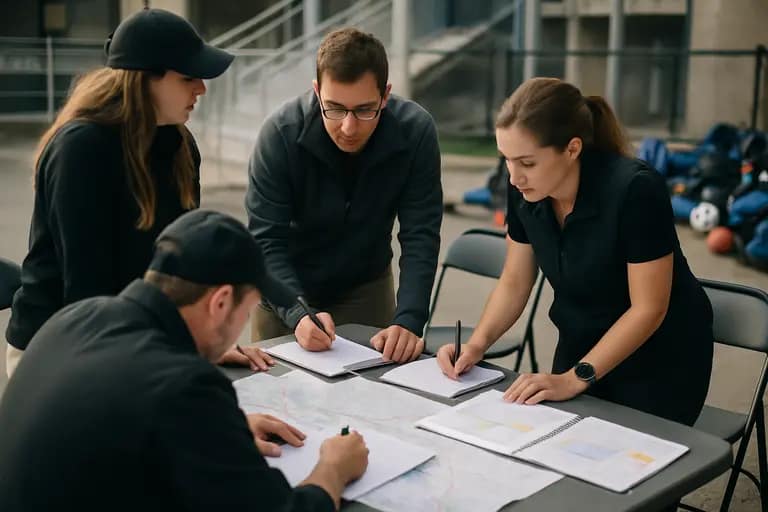
Families remember the baseball, but they also remember whether the schedule was clear, whether fields started on time, and whether anyone knew what was happening after a delay. For host cities and tournament directors, communication is a community service. It respects the families who have paid fees, booked rooms, packed coolers, and driven long stretches across Texas.
Good tournament operations do not need to be fancy. They need to be reliable. Post field assignments early. Set a clear weather update process. Give coaches one place to get schedule changes. Make sure staff and volunteers use the same information. If a facility has parking limits, tell families before they arrive. These basics can protect the reputation of the event and the host community.
Local Businesses Need A Real Seat At The Table
Texas Baseball Tournaments can send families into nearby restaurants, stores, fuel stops, and hotels, but local businesses need notice if they are expected to serve a rush. A town that wants tournament weekends to help its local economy should talk with businesses before the event, not after the parking lots are full.
- Share schedule windows: Let nearby businesses know when morning waves, lunch gaps, and late games are expected.
- Keep family needs in mind: Visiting teams often look for quick meals, ice, water, sunscreen, laundry options, and places for siblings to reset.
- Invite useful sponsorships: Sponsors can support player awards, hydration stations, field supplies, or volunteer meals without turning the event into a sales pitch.
- Plan for repeat visits: A good first experience can bring teams back for future events, which helps the baseball calendar feel more stable.
Why Texas Baseball Tournaments Need Local Partners
The Best Hosts Think Past One Weekend
The strongest hosts treat a tournament as part of a longer baseball plan. That plan should include youth league access, coach support, facility upkeep, sponsor relationships, and a clear idea of what the community wants from hosting. A major event can bring attention, but local trust is built through repeatable habits: clean fields, fair communication, safe conditions, and respect for families’ time.
Texas Baseball Tournaments carry the most meaning when they leave something behind. That may be a repaired batting cage, a new sponsor relationship, a stronger volunteer base, or a local player who sees a higher level of competition and wants to keep working. Those outcomes are not automatic. They come from planning that puts youth baseball first and treats the host community as more than a stop on the schedule.
For Texas baseball families, coaches, and local fans, that is the real significance of hosting major tournaments. The weekend bracket matters, but the deeper win is a stronger connection between players, fields, businesses, volunteers, and the towns that make youth baseball possible.