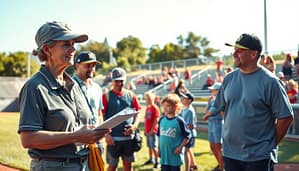
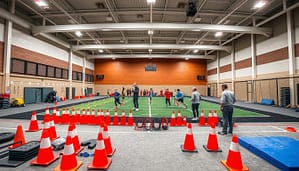
Perfect Game Texas events give local coaches a clear picture of what young players need before they step into a showcase or tournament setting. The biggest lesson is not that every player needs more games. It is that every rep needs a purpose. Texas has become a major youth baseball state in the Perfect Game schedule, and families across the state are seeing how event pressure can reveal footwork, pitch recognition, throwing routines, communication, and game tempo.
What Perfect Game Texas Shows Coaches
Perfect Game announced a record-setting 2026 schedule with more than 7,000 events, and its release identified Texas as the state with the strongest team participation, with more than 20,000 teams tied to its events Perfect Game schedule announcement. The same announcement named Texas venues such as Fields at Station 63 in Mansfield, CTX Field of Dreams in Dripping Springs, and Black Star Athletic Complex in Kyle. For youth coaches, those details matter because the training demand is local, not abstract. Players are not preparing for some far-off baseball idea. They are preparing for fields, travel days, pool play, back-to-back games, and real evaluation settings in their own state.
Perfect Game Texas Reps Need A Practice Plan
The first coaching takeaway is simple: tournament reps should feed the next practice. If a 13U shortstop rushes his transfer under pressure, the next week should include short-hop feeds, glove-to-hand work, and throws from different body angles. If a young hitter is late on velocity, the answer is not just more batting practice. He needs better timing work, front toss with intent, machine work that starts at a game-like rhythm, and a plan for recognizing pitch height early.
Texas teams often play in heat, wind, and packed weekend schedules. That means practice should teach players how to start fast without burning out. A good Monday or Tuesday session after an event can be lighter on volume but sharper on details. Coaches can review what showed up in games, then build stations that fix one or two habits. That approach fits well with summer tournament skills, especially for teams trying to turn weekend innings into weekday growth.
Turning Event Pressure Into Skill Work
Events expose habits that normal practice can hide. A player may look smooth in controlled ground balls, then panic when a runner is moving from first and the ball is hit slowly to third. A catcher may receive well during bullpens, then stab at pitches with a runner on second. A hitter may dominate soft toss, then lose his lower half against a pitcher who changes speeds. These are not signs that the player failed. They are coaching information.
Build Stations From The Game Film
If coaches have video, they should use it carefully and keep the review short. Young players do not need a 40-minute breakdown of every swing. They need one clear cue. For example, a coach might show a hitter that his front foot lands late, then run a timing station where he loads earlier and tracks the ball longer. For an infielder, a coach might show how his feet stopped before the throw, then run a station that forces field-and-throw rhythm through a target line.
One helpful structure is a three-station practice. Station one repeats the skill without pressure. Station two adds a decision. Station three adds a game consequence. For hitters, that might mean tee work for direction, front toss for pitch height, then a situational round where the player must move a runner or drive a ball to the middle. For infielders, it might mean barehand rhythm, live rollers with runner calls, then a timed double-play turn. Perfect Game Texas weekends can give coaches the problems; weekday stations should give players the answers.
Training Priorities For Texas Youth Players
For families, the event schedule can feel like a race. More games, more uniforms, more hotel mornings, more quick meals between fields. The better mindset is development first. Players need arm care, movement quality, approach work, and enough recovery to keep learning. A busy schedule only helps if the player can process what happened and train from it.
- Throwing: Build a consistent catch-play routine before long toss, bullpen work, or infield throws. Young arms need gradual warm-up and clean mechanics.
- Hitting: Train timing and pitch recognition, not just exit results. A good round should include takes, tracking, and situational swings.
- Defense: Practice footwork before glove tricks. First step, angle, body control, and throwing lane decide many youth baseball plays.
- Baserunning: Teach leads, secondary reads, turns, and slide decisions. Tournament games often turn on one extra base.
- Recovery: Track innings, catching workload, heat exposure, and sleep. A tired player may look unfocused when he is really worn down.
Keep The Evaluation In The Right Place
Not every player at a major event is ready for the same level of feedback. A 12U player needs direct, simple instruction. A 16U player may need a deeper talk about role, physical strength, pitch selection, or defensive fit. Coaches should avoid turning every weekend into a judgment day. The question after an event should be: what did the game reveal, and what can we train next?
That mindset also helps parents. If a player goes 1-for-8 but sees pitches better, competes with two strikes, and makes cleaner contact by the last game, there is progress. If another player gets three hits but chases high fastballs and misses signs, there is still work to do. Perfect Game Texas events can create exposure, but player development still happens through daily habits.
Local Pipeline Lessons From Rangers Academy
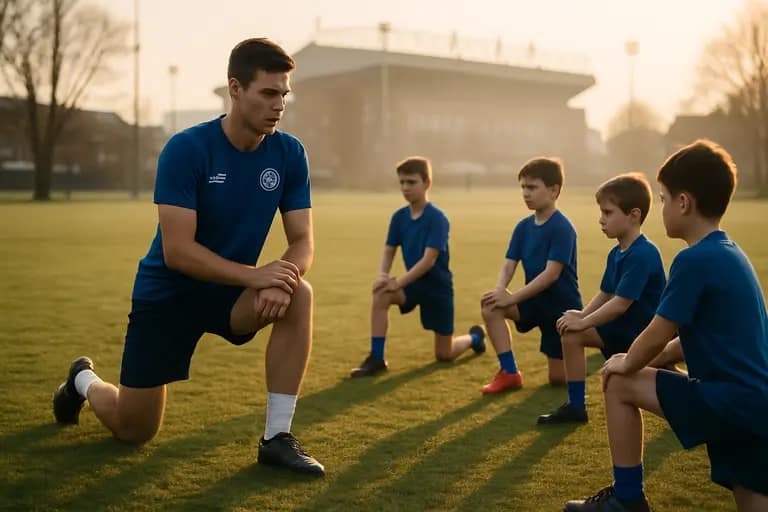
The Texas player-development picture is not limited to one tournament group. The Texas Rangers Youth Academy sent a team of 16 athletes to the Breakthrough Series Invitational in Vero Beach, Florida, with play set to begin June 17, and the same MLB announcement noted that the Academy’s 18U Scout Team won the Five Tool Texas DFW Kickoff Tournament in May 2026 Rangers Youth Academy release. For Texas coaches, that points to a useful principle: local reps can prepare players for bigger stages if the training is organized.
Teach Routines Before The Bigger Stage
Players who travel well usually have routines. They know how to warm up, how to stretch, how to get loose between games, how to prepare for an at-bat, and how to reset after a mistake. Those routines can be trained with any local team. A coach can run pregame in the same order every practice day: mobility, catch play, defensive footwork, hitting prep, and team signs. Over time, players learn that preparation is not a speech. It is a repeatable pattern.
For coaches working from San Antonio to Dallas-Fort Worth, or from Houston to the Hill Country, the same idea applies. Tournament weekends are loud and fast. Practice should be calm and specific. If a player’s swing decision is the issue, do not fix five swing parts at once. If a pitcher loses the zone under pressure, train the breath, target, and tempo before adding a new pitch. For teams that need a weekly format, Texas youth baseball practice plans can help coaches keep warm-ups, stations, and game-like reps connected.
Perfect Game Texas Training Takeaways
The strongest Perfect Game Texas lesson is that events should not replace coaching. They should sharpen it. A tournament can show who handles pace, who communicates, who needs strength, who needs better strike-zone control, and who is ready for a tougher role. The coach’s job is to take those clues and build the next three practices with purpose.
For younger teams, that may mean more catch-play structure, cleaner defensive footwork, and simple hitting plans. For older players, it may mean learning how to prepare for evaluation without chasing attention. A player who controls the strike zone, plays catch with intent, runs the bases hard, and handles failure well will stand out for the right reasons. Texas has the events and the baseball energy. The real edge comes from turning those weekends into better daily work.