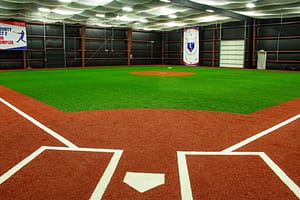
Welcome! Ever wondered how top athletes get ahead? The answer often lies off the field. Today, we explore how partnerships are changing player training.
Imagine building a dream team for an athlete’s growth. A training academy offers top coaching. A specialized clinic adds expertise in strength, mobility, and injury prevention. Together, they create a strong team.
Take the partnership between Ambassador Physical Therapy and Ultimate Baseball Academy. It’s more than a deal. It’s a philosophy for the whole athlete.
The aim is a support system that works together. It combines skill-building with health care. This makes players stronger and more resilient. It’s a trend that’s catching on fast!
Even big names see the value. For example, a partnership between USA Baseball and shows tech and teamwork can improve training. This guide will show you how to create, use, and manage these partnerships. Let’s dive in!
Benefits of Clinic Partnerships
Imagine giving your players more than just drills. A clinic partnership offers a complete wellness system. By teaming up with professional healthcare experts, you create a support system for athlete growth. This approach benefits everyone involved.
For athletes, the biggest advantage is a unified approach to development. They no longer have to juggle advice from different sources. Instead, they get a single plan that combines skill work with health services. This model ensures a focus on long-term health and peak performance, not just short-term gains.
This partnership is proactive. It brings preventative care like movement screenings and injury prevention workshops to your players. It’s like building a strong athlete from the inside out. Players feel more confident knowing their body is being prepared and protected, leading to better performance.
For your academy, this alliance elevates your entire value proposition. Families see that you’re committed to total athlete wellness, not just skills. This shows a higher level of professionalism and care, making your program the top choice for parents.
To see the full picture, let’s break down the benefits for each key group. This table highlights how strategic training collaborations create value across the board:
| Benefit for Athletes | Benefit for Parents | Benefit for Your Academy |
|---|---|---|
| Single, coordinated development plan from trusted sources | Peace of mind knowing their child’s health is a priority | Enhanced reputation as a holistic development center |
| Direct, convenient access to injury prevention and physical therapy | Saves time and effort coordinating different specialists | Reduced risk of player burnout and long-term injuries |
| Education on body mechanics and sustainable training habits | Sees tangible investment in their child’s future | Stronger player retention and family loyalty |
| Faster recovery pathways and personalized arm care programs | Witnesses more confident and resilient player | Creates a competitive edge in a crowded training market |
A strong clinic partnership is a win-win-win. Players get a safer, more effective path to their goals. Parents see a complete investment in their child. And your program builds a stronger, more sustainable community. It’s the kind of forward-thinking approach that can truly boost your child’s baseball skills in and beyond.
Identifying Quality Training Partners
Just as a scout looks for raw talent and coachability, you must evaluate clinic partners carefully. The right choice can boost player growth. The wrong one can slow it down.
Look for a clinic that sees itself as a true partner in your skill development programs. A leading academy believes in a “collaborative partnership” between player, family, and coaches. This is key!
Does the clinic focus on education and open communication? A great partner wants you and parents to understand the “why” behind drills. They act as an extension of your coaching team.
You need a shared vision. A clinic with sports-specific therapy expertise and a good reputation is important. But their flexibility and alignment with your philosophy matter too. This ensures better skill development programs.
So, how do you find the best? Ask direct questions and watch for red flags. The table below outlines what to look for.
| Criteria to Assess | What to Look For | Red Flags to Avoid |
|---|---|---|
| Development Philosophy | Focus on long-term athletic growth and life skills. Clear communication with coaches and parents. | A “one-size-fits-all” approach. Vague or changing methods. |
| Staff Credentials & Engagement | Certified specialists in baseball/softball training and sports medicine. Staff that asks about your team’s goals. | High staff turnover. Instructors who don’t communicate with your coaches. |
| Curriculum & Methodology | A structured, progressive skill development programs curriculum. Use of technology for feedback. | No written curriculum or plan. Over-reliance on gimmicky drills. |
| Facility & Resource Integration | Willingness to share equipment or space. Clean, safe, and organized training environment. | Unwilling to adjust schedules. Facilities that are poorly maintained or unsafe. |
| Track Record & References | Provision of contact info for current partner teams. Measurable results from past collaborations. | Unwillingness to provide references. No examples of player improvement. |
Finding the perfect fit takes effort, but it’s worth it for years. Use this guide to start conversations. Aim for a seamless partnership that enhances your skill development programs. For a great example, check out our high-performance youth baseball training partner.
Negotiating Partnership Terms
Negotiating partnership terms is like creating a winning strategy for your collaboration. It turns a good idea into a thriving baseball clinic partnership. The aim is to create a lasting partnership, not just win a deal.
Approach this conversation with a team spirit. What’s best for both your program and the clinic? Let’s explore the key plays for your negotiation strategy.
Defining Service Scope and Delivery
First, be clear on what services will be offered and where. Will the clinic’s staff do screenings at your place, or will athletes go to them? It might be a mix.
Every service should be detailed. For example, will you and the clinic work together on exercise programs? Make sure it’s clear. Ambiguity can cause problems later.
Talking about money doesn’t have to be hard. Discuss the financial details openly. Is it a flat fee, a rate per athlete, or a share of revenue?
Choose a model that works for both sides. A simple, clear model builds trust. Outline payment schedules and what they cover, like staff time and materials.
Sharing Responsibilities
A good partnership agreement has clear roles. Who talks to parents? Who makes flyers? How will you track athlete progress together?
Responsibilities can change based on where services are delivered. Let’s see how:
| Responsibility | Onsite at Your Facility | Offsite at Clinic |
|---|---|---|
| Equipment & Setup | Likely shared or hosted by you | Managed by the clinic |
| Scheduling Coordination | You manage your space calendar | Clinic manages its appointment book |
| Primary Client Communication | You are the main point of contact | Clinic may interface directly with athletes/parents |
Planning for Success and Disagreements
Your playbook should cover both celebrating wins and solving problems. Agree on sharing success stories and how to handle disagreements.
Will you have regular meetings to discuss concerns? Choose one person from each side to handle issues before they get big.
Your Memorandum of Understanding: The Final Playbook
All your talks should lead to a clear Memorandum of Understanding (MOU). It’s not a legal contract! It’s a summary of your goals, scope, finances, and roles.
An MOU keeps everyone in sync. It’s your guide for a smooth training collaboration focused on player growth. Now, you’re set to take action.
Shared Resource Programs
Think of shared resource programs as a practical toolkit for your partnership strategy. They turn agreements into daily benefits for your athletes. By combining your strengths with a clinic, you create a training environment that is more powerful and accessible than what either could offer alone.
So, what does sharing resources actually look like? It’s more than just referrals. Imagine a physical therapist from your partner clinic setting up a station in your gym for weekly screenings. This is what Ambassador Physical Therapy does, integrating its services into an academy’s training. It makes things easier for athletes by removing the biggest barrier: convenience.
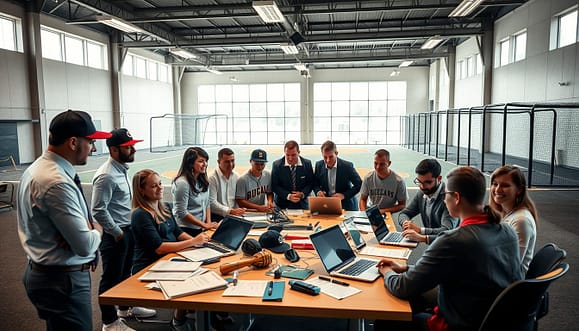
Resources can flow both ways. Your academy’s facility could host the clinic’s athletes for their final return-to-sport progressions. This gives them a realistic environment to test their recovery. This kind of facility sharing makes the most of space and equipment for everyone. Other great models include co-hosted educational workshops and a shared library of training and recovery equipment.
Here’s a breakdown of common shared resource models to spark ideas for your own training collaborations:
| Program Type | Clinic Provides | Academy Provides | Primary Athlete Benefit |
|---|---|---|---|
| Integrated On-Site Services | Physical therapist time, screening tools, treatment tables. | Designated space within the facility, scheduled time during training. | Immediate, convenient access to preventive care and minor injury management. |
| Facility Access for Rehab | Rehabilitation athletes cleared for sport-specific drills. | Controlled access to courts, turf, or weight room during off-peak hours. | Seamless transition from clinical rehab back to full team training. |
| Co-Hosted Education Events | Expertise on nutrition, injury prevention, or sleep science. | Audience (parents/athletes), venue, and promotional support. | Holistic athlete development and stronger sports community. |
| Shared Equipment Pool | Specialized rehab tools (e.g., blood flow restriction cuffs, balance trainers). | Durable training equipment (e.g., sleds, plyo boxes). | Exposure to a wider range of tools for both recovery and performance. |
These programs empower everyone involved. They work alongside each other—empowering your organization with professional resources and expertise. Your athletes get consistent, high-level support. The clinic gains a direct pipeline to engaged athletes. And you, the academy, become a one-stop shop for development.
Start by listing your unique assets and ask your partner to do the same. You might be surprised at the simple, effective program you can build together. The goal is to create a synergy where the whole is greater than the sum of its parts.
Player Development Pathways
A true training partnership goes beyond simple drills. It creates a unique plan for each player. This plan is called a Player Development Pathway. It’s like a personal athletic blueprint.
It answers the big question for every athlete: “What’s next?” Your pathway combines your coaching with the physical training and injury prevention from your clinic partner. Together, you make the complete athlete.
This isn’t just about better footwork or a faster shot. It’s about holistic player development. We add mental conditioning, nutritional advice, and recovery plans to the core skill development programs. This leads to total athletic growth.
Our philosophy is simple but powerful. It’s based on hard work, determination, and a real love for the game. A great pathway turns that passion into a clear, step-by-step plan.
Let’s look at what goes into building these pathways. You can design them to include:
- Technical Skill Ladders: Master basic moves before moving to complex ones.
- Physical Preparedness Phases: Clinic experts tailor strength and conditioning to the athlete’s age and sport demands.
- Mental Skills Training: Build focus, resilience, and competitive mindset alongside physical skills.
- Nutrition & Recovery Maps: Learn what to eat and how to rest to fuel growth and prevent burnout.
The pathway changes for beginners and advanced players aiming for college sports. The table below shows how a plan adapts to each level.
| Athlete Level | Primary Focus | Clinic Partnership Role | Sample Pathway Goal |
|---|---|---|---|
| Beginner | Mastering fundamentals & building confidence | Introduce movement literacy, basic injury prevention habits | Safely execute core skills in practice drills |
| Intermediate | Refining technique & applying skills in game scenarios | Develop sport-specific strength, address minor imbalances | Utilize skills effectively in low-pressure competition |
| Advanced | High-performance fine-tuning & tactical mastery | Optimize peak power, advanced recovery, injury resilience | Excel in high-stakes games and meet college recruit metrics |
The clinic’s role changes with the athlete. For beginners, it’s about building a strong foundation. For advanced players, it’s about polishing their high-performance engine.
Creating these structured skill development programs gives athletes a clear direction. They see their progress mapped out. This clarity boosts motivation and dedication.
You move from hoping players improve to knowing exactly how they will. You build not just better players, but more resilient, confident, and complete young athletes. That’s the power of a well-designed pathway.
Specialized Skills Training Access
Every athlete hits a point where basic drills aren’t enough. Maybe your pitcher needs to perfect his curveball, or your shortstop needs help with double-plays. This is where baseball clinic partnerships really help. They offer expert training in specific areas that you might not be able to cover alone.
You’re like the general manager of your players’ growth. You don’t have to be the pitching coach, biomechanics expert, and physical therapist all at once. A good clinic partner is like your go-to specialist. They bring in advanced tools and methods to fix specific problems.
For instance, a clinic might have a pitching lab with high-speed cameras and sensors. This lets players see how their movements affect their throws. Another might focus on conditioning and injury prevention for athletes who throw overhead, which complements the specific training you already do.
So, how do you make this work for your team? There are a few good ways:
- Referral Discounts: Send players to the clinic for specific checks, often at a lower cost.
- Onsite Specialty Clinics: Have the expert come to your place for a focused workshop on hitting, pitching, or infield play.
- Shared Expertise: Add the clinic’s physical therapists or skill coaches to your regular training for targeted sessions.
This way, your athletes get the exact help they need to improve. It’s a smart way to add to your program without hiring a specialist for every skill. By teaming up with a strategic baseball clinic partnership, you create a network of support for each player.
Specialized training isn’t just a nice-to-have; it’s essential for top-level development. Your partnership turns your local gym into a center for advanced, focused training. You offer the path, and your clinic partners give you the tools to guide them.
Cost-Effective Training Solutions
Elite training doesn’t have to be expensive. High-quality development is a big investment for families. The right training collaborations offer smart, affordable options.
Think of it like a value meal. Instead of buying items separately, a combo gives more for less. Training collaborations bundle services into powerful packages.
An athlete might get weekly hitting lessons, a monthly mobility screen, and a nutrition workshop. This bundle offers complete care. Families see the value and enjoy easier scheduling.
Shared resources cut costs. Two clinics can split marketing for a summer camp. They might share facility rental for weekend clinics. These savings are passed on to you.
Here are three financial models that make top-tier training more accessible:
- Package Deals: Commit to a 3-month block for a lower per-session rate.
- Shared Membership: One fee grants access to multiple partner facilities.
- Group Rates: Small group sessions with peers keep costs down while maintaining quality coaching.
Our camps and clinics are set up for the best learning atmosphere. This inherent value grows within a partnership network. You’re not just paying for time; you’re investing in a coordinated system.
The goal is to remove financial stress. Athletes deserve full support without stretching family budgets too thin. Smart training collaborations make this balance possible.
It’s about getting the most value for every dollar spent. Everyone wins—the athlete, the family, and the training partners working together.
Quality Assurance & Standards
Quality assurance in training is not just a formality. It’s your defense against inconsistency. When you team up with a clinic, your reputation is tied to theirs. So, setting shared, non-negotiable standards is key to a successful partnership. Think of it like building a house on a solid foundation—without it, everything can wobble!
So, what does “excellence” look like in practice? It starts with people. You must agree on the credentials and experience of the clinicians who will work with your athletes. Are they licensed? Do they have sport-specific certifications? Next, you align on methodologies. Will they use proven, traditional techniques or the latest sophisticated diagnostic methods and advanced techniques? Defining this upfront ensures every athlete gets the same high-level care.
This commitment to a personalized, instructional experience is key. Great clinics don’t use a one-size-fits-all approach. They assess each athlete individually. More importantly, both partners must operate with the highest values on integrity. This means being transparent about capabilities, honest about progress, and ethical in all decisions. It’s how trust is earned and kept.
Two other critical areas are communication and data privacy. How often will your teams update each other? What’s the protocol if an issue arises? And how is sensitive athlete information protected? Setting clear rules here prevents misunderstandings and builds a seamless partnership.
To make this concrete, use a joint standards checklist. The table below outlines core areas you should agree on with any training partner.
| Standard Area | Key Questions to Align On | Your Role | Partner Clinic’s Role |
|---|---|---|---|
| Clinician Credentials | What licenses, certifications, and minimum experience are required? | Provide athlete history and specific goals. | Supply staff bios and verification of credentials. |
| Training Methodology | What diagnostic tools and instructional frameworks will be used? | Communicate your program’s philosophy and past successes. | Detail their approach and provide sample session plans. |
| Communication Protocol | How often will progress be reported, and through what channel? | Designate a single point of contact for updates. | Commit to scheduled reports and immediate contact for concerns. |
| Data Privacy & Ethics | How is athlete data stored, shared, and protected? | Share only necessary information with signed consent. | Adhere to HIPAA and sign a confidentiality agreement. |
By locking in these standards, you create a reliable system. Every athlete in your skill development programs receives consistent, professional care. This consistency is what parents notice and athletes thrive on. It turns a simple partnership into a powerful reputation builder for both organizations.
Ultimately, shared quality assurance transforms good intentions into great results. It ensures that the promise of your program is delivered in every session, by every clinician. You gain peace of mind, and your athletes gain a superior, trustworthy training experience. That’s a win-win worth standardizing!
Scheduling & Logistics Management
Seamless day-to-day operations are key to a great partnership. Your vision for baseball clinic partnerships needs a smooth logistics engine. This ensures everyone works together without hassle.
To achieve this, start with a simple system everyone can follow. The goal is to avoid confusion and missed connections.
First, coordinate calendars. A unified view is vital when coaches and therapists need to align. Use a shared digital calendar or booking platform. This prevents double-booking and streamlines the process.
Next, set up a clear communication chain. Decide who updates whom about athlete sessions. A simple rule like “the last professional to see the athlete sends a brief update” keeps information flowing. This ensures athletes don’t get lost between services.
Also, plan the physical space. If you share a facility, schedule it like a master schedule. Block out times for different activities. A visible weekly plan avoids conflicts and ensures everyone knows their place.
To keep it all working, focus on three key areas:
- A Designated Point-Person: One contact from each organization drives the schedule. This person owns the calendar and is the go-to for any changes.
- Simple, Shared Tools: Use one tool everyone agrees on, like a shared Google Calendar or a clinic management app. Avoid complexity.
- Regular Logistics Check-Ins: Hold a short, weekly meeting (even 15 minutes) to review the upcoming week’s schedule. This prevents small issues from becoming big problems.
By focusing on these practical details, you build trust and reliability in your baseball clinic partnership. The logistics are the unsung hero that lets your vision shine every day.
Progress Tracking Systems
Without a way to measure improvement, even the best training plans can feel like guesswork. That’s where a unified progress tracking system comes in. It’s like the scoreboard for your entire training collaboration. It shows what’s working, what needs tweaking, and how far an athlete has progressed.
Imagine a single, secure digital dashboard instead of notes scattered everywhere. With the right permissions, everyone involved can see the same picture. Coaches, clinicians, players, and parents can all align their efforts.
What kind of information goes on this dashboard? Everything that matters. It includes performance and physical data all in one place:
- Performance Metrics: Batting average, pitch velocity, sprint times.
- Biomechanical Data: Range of motion, movement efficiency, form corrections.
- Strength & Conditioning: Lift progressions, endurance levels, recovery rates.
Creating this system needs the right tools and methods. Many teams use integrated software platforms for sports performance. Others use wearable tech and simple spreadsheets. The goal is to make data entry easy for everyone. When data goes into one place, it becomes powerful.
Raw numbers turn into a story. You move from just collecting data to getting actionable insights. A drop in velocity and shoulder mobility is a clear sign to adjust training. This insight is the heart of effective training collaborations.
A good tracking system also helps create personalized plans. You can see how an athlete’s biomechanics improve. This turns abstract goals into clear, step-by-step journeys that everyone can follow and celebrate.
Ultimately, a progress tracking system does more than record history. It shapes the future. It makes sure every session, drill, and therapy appointment is part of a connected plan moving the athlete forward, together.
Success Metrics & Evaluation
How do you know if your partnership is *truly* working? The answer is found in objective metrics, not just feelings.
Great stories and positive feedback are wonderful, but hard data is what proves your value and justifies continued investment. To deliver the “incredible results” and “future injury prevention” you promise, you need a way to measure them.
This starts by setting clear, measurable goals from day one. What does success look like for your specific skill development programs? Defining this upfront turns vague hopes into a tangible roadmap.
The tools for this are called Key Performance Indicators (KPIs). These are the numbers that show if you’re meeting your core mission to “fundamentally enhance their competitive skill level.”
Think about what matters most to your athletes and your clinic. Your KPIs might track:
- Injury Reduction: A lower rate of arm injuries in pitchers or overuse issues in other players.
- Performance Gains: Improved exit velocity, pitching speed, or mobility scores.
- Athlete Retention: An increase in players who return season after season.
- Skill Mastery: The percentage of athletes achieving key milestones within your skill development programs.
With your KPIs established, schedule regular partnership reviews. Bring the data to the table every quarter. This is your time to celebrate the wins shown in the numbers and honestly analyze any shortcomings.
This process turns evaluation from a report card into a powerful improvement tool. You make data-driven decisions, adjusting tactics and resources to get better results each year.
By consistently tracking and reviewing these metrics, you build a cycle of continuous growth. You’re not just running drills; you’re strategically refining your skill development programs and proving their worth with every athlete who improves.
Building Regional Training Networks
Starting with one baseball clinic partnership is just the start. That first success can be used to grow more. It’s like the first link in a big chain.
Work to connect trusted academies, school programs, and local leagues. These networks share resources and coaching tips. They all aim for the best in sports training. Ambassador PT is a great example of this.
This growth helps a bigger mission, like the Mariners Training Center’s goal. Your network improves player skills and athlete health everywhere. It makes sure young athletes have a great place to grow.
Start by talking to other top organizations. Share what made your first partnerships succeed. Create a plan for working together. Your work will leave a lasting mark, turning single wins into community benefits.