For youth baseball, the pre-game ritual is more than just tasks. It’s the game’s heartbeat. Coaches and players prepare for success here. It’s like the ancient Greeks’ belief in arête, or excellence, through thorough preparation.
Arriving at the field is key. The first 20 minutes set the game’s tone. A field inspection is not just a checklist; it’s a safety and performance commitment. A coach arriving late, without a clipboard, and then being surprised by dehydration is chaos, not victory.
Field safety is essential. Checking for hazards and ensuring the batter’s box is safe can prevent game disasters. In Texas tournaments, water is not a luxury but a moral duty. Umpires must know where the medical kit is before emergencies happen.
Your pre-game checklist is a sacred ritual. Treat it with the respect it deserves. The Greeks saw athletic contests as sacred rituals, and so should your preparation.
Lineup Logic: Balancing OBP, Speed, Defense, and Pitch Counts
Lineup logic is like balancing a seesaw. You need to weigh OBP, speed, and defense carefully. The right batting order can win games, while the wrong one can lose them. It’s not just about numbers; it shows your coaching style.
The OBP obsession is real. Getting on base is key, not just a Moneyball idea. It creates chances to score. In youth baseball, where young athletes are unpredictable, OBP is even more important.
The OBP Obsession: Why Getting On Base Isn’t Just a Moneyball Cliché
When making your lineup, think about each player’s role. Do you play small-ball or wait for a big hit? The leadoff spot is more than just for a fast player. It sets your team’s tone.
Speed is also vital. It’s not just about running fast. It’s about quick decisions on the basepaths. A speedy player can turn a single into a double, creating chances to score.
But balancing OBP and speed is tricky. It makes lineup strategy complex and interesting.
Speed vs. Defense: The Eternal Trade-Off That Keeps Managers Awake
Defense is another key factor. A great shortstop might hit poorly but make incredible plays. Where does he fit in the lineup? This decision keeps managers up at night.
Pitch counts also matter. A player who threw a lot in the last game might not play soon. This affects your lineup, making it hard to plan.
Your lineup card is always changing. It’s a mix of what the stats say and your gut feeling. Lineup strategy is both art and science.
| Player Role | Importance | Key Skills |
|---|---|---|
| Leadoff Hitter | Sets the tone | High OBP, Speed |
| Middle Order | Drives in runs | Power, Contact |
| Cleanup Hitter | Protects the lineup | Power, RBI |
| Defensive Specialists | Stabilizes defense | Fielding, Game IQ |
Signals: Keep It Simple — Touch System, Cards, and Non-Verbal Cues
In baseball, the signals system is key for clear communication in the dugout. Without it, players might not know what to do. A good system can make all the difference in a game.
The Touch System is all about simplicity. Imagine a third base coach doing a dance that looks like a secret code. But for a 12-year-old batter, it’s like trying to read ancient texts. It’s simple: touch the nose means steal, touch the ear means bunt, and touch the belt means take. It’s easy and works well.
The Touch System: Why Your Third Base Coach Isn’t Just Scratching His Nose
This system has only three signals, making it easy for players to focus on the game. It’s all about non-verbal communication that helps players work together smoothly. When signals are clear, players trust each other more.
But wristband cards have changed things a bit. They look like bingo cards and aim to make communication even clearer. Yet, they can distract players from the game. This might make them miss important moments.
Wristband Cards and the Death of the Steal Sign (Almost)
Wristband cards can be useful if used right. They help keep baseball signs simplified and reduce mistakes. But, the real magic of the game is in the quiet moments.
These moments, like a quick nod between pitcher and catcher, are what make the game special. The signals system is like a team’s diplomatic team. When it fails, trust is lost. Trust is hard to get back once it’s broken.
Pitcher Usage Plan: Starter, Bridge, Closer — Tournament Stacking and Legal Rest
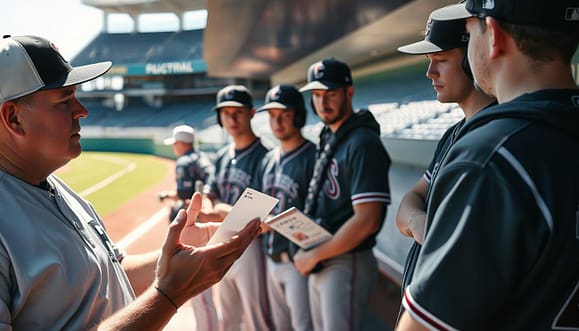
Creating a pitcher usage plan is like juggling fire. One wrong move can ruin everything. In youth baseball, managing pitchers is key, more so in Texas tournaments. It’s a delicate balance between strategy and the physical limits of players.
The pitching lineup has three roles: starter, bridge, and closer. Each is vital for success. The starter sets the tone, aiming for brilliance while saving energy.
The bridge inning is where things get intense. This pitcher keeps the game alive from the fourth to the sixth inning. It’s a high-pressure role often overlooked but critical for the game’s flow.
The Bridge Inning: Baseball’s Most Underappreciated High-Wire Act
The bridge inning is all about *bullpen management*. This pitcher faces the opposing team’s best hitters. A good bridge inning can turn a close game into a win. Coaches must trust their bridge pitchers, even if they don’t get the spotlight.
Tournament Stacking: How to Game the System Without Breaking the Rules (or Your Pitchers)
Tournament stacking is a strategy for using pitchers across games. It’s a challenge to follow tournament pitching rules while winning. Coaches must respect legal rest rules to avoid injuries.
Coaches should see pitch limits as ceilings, not targets. Pulling a pitcher at 85 pitches shows care for the player’s health. This choice shows a deeper understanding of the game and its impact on young athletes.
Defensive Shifts at Youth Level: Where It Helps and Where It Hurts
In youth baseball, defensive shifts can change the game’s direction. They often focus on left-handed batters. Coaches might feel smart when a shift works, but it’s more complicated than that.
Shifting the infield can sometimes catch a batter off guard. For example, a lefty who always hits the ball between first and second. This might get you a key out. But, it can also fail badly.
The Pull-Happy Lefty: When Shifting Makes You Look Like a Genius
The pull-happy lefty is perfect for defensive shifts. His hitting pattern seems to justify moving your shortstop. But, what if a grounder goes through the hole? That could lead to a big double and more errors.
The Cost of Over-Shifting: What Gets Lost When Kids Don’t Learn to Make Plays
Over-shifting takes away from young players learning. It keeps them from practicing reading hops and making plays. In Texas tournament play, I’ve seen teams forget the basics. They forget that sometimes, the best defense is trusting your player to do their job.
In conclusion, defensive shifts have their benefits but also drawbacks. Coaches need to find a balance between strategy and basic skills. For more tips on improving your team, check out this guide.
Offensive Tactics: Steals, Bunts, Squeeze — When to Deploy and Teach Learning Moments
Offensive tactics in youth baseball can win or lose a game. Knowing when to use them is key. Strategies like steals and bunts teach courage, timing, and trust. The Greek educational model saw sports as a way to build character, and this is true in baseball too.
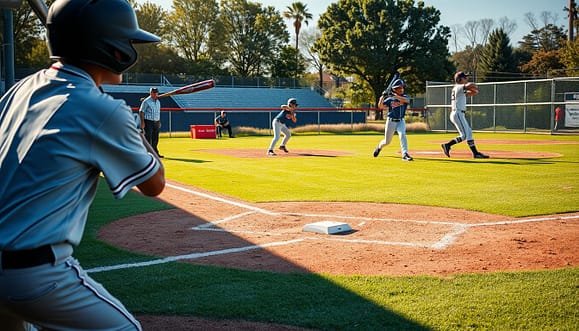
Stealing bases is more than just running fast. It’s about understanding the pitcher and catcher. I’ve seen coaches make risky calls, like sending runners on 3-0 counts with two outs. These calls can really deflate a team.
But, a successful steal can spark a rally. It’s exciting for players and fans. It’s a risk that can change the game. Coaches teach players to make smart decisions, balancing risk and reward.
The Stolen Base: Calculated Risk or Ego-Driven Folly?
The bunt is a tactic everyone loves to hate, but it’s essential. It teaches players to adapt and sacrifice for the team. A good bunt can shift the game’s momentum and put pressure on the defense.
The Suicide Squeeze: Baseball’s Most Electrifying (and Terrifying) Teaching Tool
The suicide squeeze is baseball’s thrilling yet scary tactic. The runner breaks from third on the pitch, and the batter must hit the ball, no matter where it is. It’s a moment of complete trust.
When the squeeze works, the dugout goes wild. But if it fails, it’s a tough moment. Yet, it teaches valuable lessons about teamwork and resilience. Success or failure, something important is learned.
In conclusion, using offensive tactics in youth baseball is more than strategy. It’s a chance for teaching moments in baseball. Coaches should use these moments to guide players through the game’s ups and downs. The lessons learned on the field are valuable beyond the game.
Dugout Culture: Roles Chart, Timeouts, Handling Umps — Model Respect
The dugout is like a small society, where kids learn important lessons. In youth baseball, it’s a place for growing players and future citizens. Each player has a role, like arranging helmets or organizing bats. It’s not just work; it teaches them about responsibility.
The roles chart makes sure every kid feels important. Assigning tasks teaches them about teamwork and growth. A child arranging helmets today might lead the team tomorrow. This builds character, one task at a time.
The Roles Chart: Why Every Kid Needs a Job (Even If It’s Just Helmet Arranger)
Every role in the dugout is important for the team’s success. It’s like a small republic where everyone has a role. This culture teaches respect for the game and each other. Players learn their efforts are valued, building pride and ownership.
Timeouts are key in dugout and game management. They’re not just for planning; they’re for learning. Who calls the timeout and what’s discussed? These moments teach democracy and respect.
Handling Umpires: The Art of Disagreeing Without Being a Cautionary Tale
Dealing with umpires is a big test of modeling respect in sports. A coach’s reaction to a call teaches about authority and disagreement. Do you yell or ask calmly for clarification? Your choice teaches kids how to disagree respectfully.
Every time with an umpire is a chance to teach. When coaches are calm and respectful, they show kids how to disagree well. This builds a dugout culture that values respect, responsibility, and the game’s spirit.
The dugout is more than a place to sit; it’s where we build a community. It prepares kids for life after baseball. Let’s make sure we’re building it right.
Between-Inning Routines: Catchers, Pitchers, On-Deck — Quality Reps
Between-inning routines are key in baseball. They start right after the last out, giving teams about 90 seconds to prepare for the next inning. This time is not just a break; it’s a chance to get better.
The Catcher’s Sprint: Why the Gear-Up Dash Matters More Than You Think
The catcher’s sprint to the dugout is more than a show of enthusiasm; it’s a vital part of bullpen management. When a catcher quickly puts on his gear, he’s not just getting ready for the next batter. He’s making sure the pitcher can start the inning smoothly.
A catcher who quickly gets ready and takes eight quality throws before the umpire signals the start is setting a tone of urgency. On the other hand, a catcher who takes too long and doesn’t focus can hurt the team’s chances. Quick, quality reps in this short time can make a big difference.
On-Deck Rituals: Timing the Pitcher Without Looking Like You’re Trying Too Hard
Now, let’s talk about the on-deck hitter. This role is key in on-deck preparation. The on-deck hitter must use this time wisely, timing the pitcher’s delivery and observing the catcher’s setup. It’s not just watching; it’s gathering important information.
By noticing if the pitcher’s curveball is breaking early or late, the on-deck hitter can prepare mentally. These observations help the hitter and inform the team’s strategy. These small moments can lead to big wins.
| Role | Key Actions | Impact on Game |
|---|---|---|
| Catcher | Sprints to gear up, takes quality throws | Sets rhythm for pitcher |
| Pitcher | Warm-up pitches with purpose | Builds confidence and readiness |
| On-Deck Hitter | Observes pitcher, times delivery | Informs batting strategy |
In a 60-game season, teams that make the most of these 90-second windows have an advantage. These moments are key to success, even if they’re not glamorous. For more on developing routines, check out curriculum goals for 10U teams.
Postgame Debrief: 5-Minute Teaching and Next Practice Ties
After the game, gloves are tossed aside and parents offer advice. This brief moment, often just five minutes, shapes young athletes. It’s a chance to highlight what went right and what needs work, all in a positive way.
The 5-Minute Rule: Say What Matters Before the Parents Descend
In Texas tournament play, emotions are high. It’s key to speak up right after the game. This isn’t a lecture but a chance to share something important. Talk about one good thing and one area to improve.
This way, players leave feeling good, not just disappointed.
Connecting Game Failures to Tuesday’s Practice Plan Without Sounding Punitive
Imagine a player who struck out with the bases loaded. Instead of focusing on the failure, offer support. Say, “You’re my guy.”
Then, link that moment to the next practice. For example, “We’ll work on pivot footwork for 20 minutes on Tuesday. You might not like it now, but you’ll thank me later.” This turns game failures into lessons, showing players their journey is ongoing.
The Greek philosophers saw games as a way to show character. Your postgame talk is when kids learn from their experiences. Always connect it to practice. This way, games are part of their growth story, not just standalone events.
Tracking Sheets: Pitch Logs, QAB Score, and Defensive Chances
In youth baseball, tracking sheets are key, not just paper. They help coaches manage the game better. Without them, coaches might forget important details. Pitch tracking is critical, as it proves a player’s growth.
The Pitch Log: Your Arm’s Biography in Numbers
Every pitch has a story. The pitch log tracks details like speed and accuracy. It shows if a pitcher is getting tired or ready for more.
Quality At-Bat (QAB) Scoring: Why Batting Average Is Lying to You
Batting average isn’t always right. A player might not get a hit but help the team. QAB scoring looks at the effort, not just results.
Defensive metrics show what’s often missed. They track how players help the team, even if it’s not shown in the score. This way, everyone gets credit for their efforts.
Tracking sheets help everyone grow. They make the game more informed and exciting. By using pitch tracking and QAB scores, we all learn more.