The All-American Games give Texas baseball families a different kind of youth tournament experience: individual players arrive from many places, join new teams, compete in age groups, and get measured in moments that can teach as much as they reveal. For coaches, the value is not just the event itself. The value is in how a player prepares, responds to pressure, handles a new dugout, and brings useful lessons back to the local team.
How The All-American Games Are Built
Baseball Youth describes its event as a three-day tournament that features individual players from across the country, with players organized into teams within their age divisions Baseball Youth event information. That structure matters for Texas coaches because it is not the same as taking a full select roster to a weekend bracket. A player may not know the coaching staff, the catcher, the middle infield partner, or the outfielders calling for fly balls. That creates a useful test of baseball maturity.
All-American Games Format For Coaches
The All-American Games format puts communication under the spotlight. A shortstop from San Antonio, a catcher from East Texas, and a pitcher from another state may have to build trust quickly. Coaches can prepare players by teaching portable habits: clear pre-pitch signals, loud cutoff communication, simple mound visit language, and a reset routine after errors. These habits travel better than complicated team systems.
Because players are placed into age divisions, instruction should stay age-appropriate. Baseball Youth lists divisions for 9U, 10U, 11U, 12U, 13U, 14U, and high school players Baseball Youth divisions. A 9U player needs a different checklist than a high school player. The younger athlete may need help with staying organized between games, while the older player should be ready to manage warmups, compete in counts, and speak clearly with unfamiliar teammates.
Age Divisions And Texas Planning
For Texas families, the All-American Games date on the 2026 summer schedule carries real planning weight. Baseball Youth lists a Texas stop for July 23-26, 2026, with Reno-Tahoe set for July 26-28 and Panama City Beach set for July 30-August 2 Baseball Youth schedule. Texas in late July can challenge sleep, hydration, and recovery routines, so preparation should start before the trip. Coaches do not need to overcomplicate it. They need to help players show up rested, organized, and ready to listen.
Nomination is another piece coaches should explain plainly. Baseball Youth says athletes can be nominated by coaches, parents, or others familiar with their skills, and that its recruiting team seeks talent from around the world Baseball Youth nominations. That does not mean every nominated player is at the same stage of development. Coaches should frame selection as an opportunity, not a final label. A player still has to compete, adjust, and learn.
What Players Should Expect On The Field
The All-American Games setting asks players to show tools, but the best player development lessons often come from how they handle small moments. Did the player run hard on a ground ball? Did the catcher keep giving targets after a rough inning? Did the pitcher control tempo after a walk? Coaches should prepare athletes to treat every rep as information, not as a verdict on their future.
Skill Stations Coaches Can Prepare
Baseball Youth lists activities such as the 60-Yard Dash and Catchers Pop Time as part of the experience Baseball Youth skills. Those events can make players nervous because the stopwatch is direct. A coach can help by building familiar routines before timed work. For a runner, that means a consistent start position, a clean first step, and strong finish through the line. For a catcher, it means receiving first, replacing the feet efficiently, making a firm transfer, and throwing with a target-based mindset rather than panic.
Texas players often come from competitive local schedules, but timed events still feel different from game action. The coaching point is simple: do not let one timed rep become the player’s identity. Use the number as feedback. If a catcher’s exchange is slow, the next month of work can address footwork and transfer rhythm. If a runner starts poorly, work on acceleration mechanics. The test should lead to a training plan.
Using Youth Metrics Without Losing The Player
Metrics can help coaches, but only when the numbers fit the age and goal. UC Irvine has highlighted sabermetrics in the context of coaching youth baseball and softball, including the idea that youth-centered statistics can be more useful than only leaning on traditional measures UC Irvine sabermetrics research. For a Texas youth coach, that means charting what teaches the player: quality swings, first-pitch strike response, hard contact, defensive readiness, or productive baserunning decisions.
A player who goes 0-for-3 may still have made two strong swing decisions and moved well in the outfield. A pitcher who gives up runs may have competed with a good tempo and thrown strikes after falling behind. Coaches should not use numbers to soften accountability. They should use them to sharpen the next practice plan. That keeps the player motivated and gives parents a clearer view of development.
Coaching Priorities Before A Texas Trip
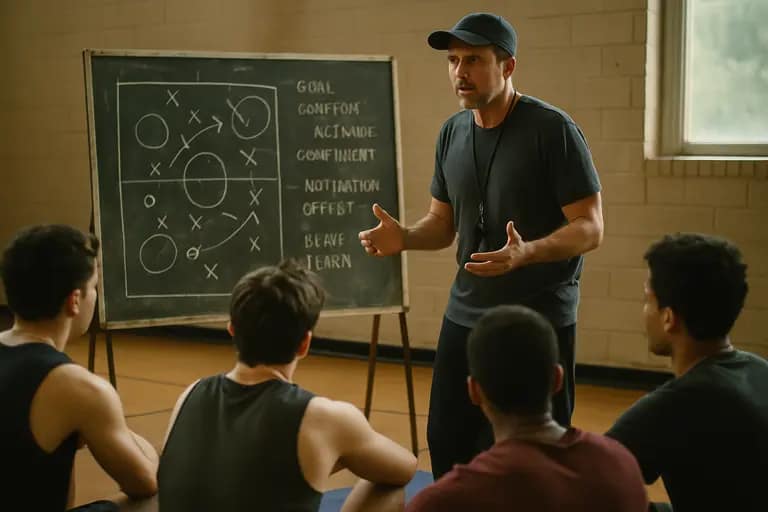
A Texas player going to the All-American Games needs more than extra batting practice. He needs a plan for travel, rest, communication, and pressure. Coaches can support the family without taking over the event. The best help is practical: set expectations, simplify routines, and remind the player that effort and coachability travel well.
Roster Role Conversations
Players who are used to batting leadoff or playing shortstop every weekend may land in a different role. That can be healthy if it is framed correctly. Before the trip, ask the player how he will help if he bats lower in the order, sits for part of a game, or moves to the outfield. The answer should not be, “I’ll just deal with it.” The answer should include action: stay ready, chart pitchers, encourage teammates, run hard, and play clean defense when called.
This is where coaches can teach maturity. A new team environment rewards players who can adapt without sulking. Texas baseball has plenty of high-energy tournament settings, but this format adds a social test. A player has to introduce himself, listen to new instructions, and compete without the comfort of his regular dugout routine.
Parent Communication And Travel Rhythm
Parents need a plan, too. A simple pre-trip meeting or call can prevent confusion. Cover arrival expectations, uniform packing, snacks, hydration, sleep, and how the player should handle coaching feedback from event staff. Coaches should encourage parents to let the athlete speak for himself when appropriate. That does not mean parents disappear. It means the player gets practice taking ownership.
- Before the event: confirm schedule details through Baseball Youth, pack gear early, and rehearse warmup routines.
- During the event: keep meals simple, protect sleep, and avoid postgame speeches that turn every at-bat into a family meeting.
- After the event: write down three strengths, two growth areas, and one practice priority for the next month.
That last step is where the tournament becomes development. Without reflection, the weekend can turn into a photo album and a few scattered memories. With reflection, it becomes a teaching tool.
What The All-American Games Mean For Texas Development
The All-American Games can serve Texas baseball well when coaches treat the event as part of a larger development path. It is not a magic finish line, and it is not the only place a player can grow. It is a competitive setting that can reveal habits under pressure: body language, preparation, adaptability, and response to unfamiliar coaching.
For coaches, the assignment is to connect the experience back to daily work. If a player learned that his throwing routine was rushed, build a better one. If he struggled to talk with new teammates, add communication work to practice. If he performed well in a skill event, use that confidence while still identifying the next layer of training.
For players, the best mindset is simple: compete, listen, learn, and bring something back to your team. Texas baseball families invest time, travel, and energy into youth sports. The return should be measured not only in medals or recognition, but in better practice habits, stronger confidence, and a clearer picture of what the player needs next.