The Grady Emerson rise matters to Texas baseball families because it connects a local high school path with the larger development questions parents and coaches ask every season: where should a player train, who should guide him, how much competition is enough, and how do tools turn into game results? Emerson’s story is not a one-size plan for every young player, but it does give Texas programs a real case study in school fit, coaching access, and steady skill growth.
The Grady Emerson Rise In Texas Context
Texas high school baseball already carries serious scouting attention, but Emerson’s case stands out because his success came through a recognizable local path. He played at Argyle High School before transferring to Fort Worth Christian School, where he played for former major leaguer Rusty Greer. MaxPreps reported that Tampa Bay selected Emerson with the No. 2 pick in the MLB Draft on July 11, 2026, after his senior season at Fort Worth Christian MaxPreps draft report.
What The Grady Emerson Rise Shows Young Players
The Grady Emerson rise shows that player development is built through repeated choices, not one weekend or one showcase. His senior numbers were loud: MaxPreps reported a .508 batting average, 61 runs, 56 RBIs, 14 doubles, eight home runs, and five triples. That same report said Fort Worth Christian reached the TAPPS Division II state championship game. For youth players, the lesson is not to chase a stat line. The better lesson is to connect training with game transfer: barrel control, base running decisions, defensive readiness, and the ability to perform inside a team setting.
Why School Fit Belongs In The Development Talk
Families across Texas often debate whether a player should stay put, seek a different school setting, add private instruction, or change summer competition. Emerson’s transfer is a public part of his story, but it should be handled with care by families. A move only helps if the player receives better daily structure, clearer feedback, and a healthy team role. For some athletes, that may happen at a large UIL program. For others, it may happen at a private school, a smaller roster, or a coach who knows how to teach advanced details without rushing the athlete past his age group.
Development Lessons For Texas Baseball Families
Texas players grow inside a busy calendar. School ball, summer tournaments, fall workouts, camps, lessons, strength sessions, and family travel can pile up fast. Emerson’s success should not push younger players toward overload. It should push families toward sharper planning. The best training programs keep the athlete’s age, body, skill level, and confidence in the center of the plan.
Coaching Access And Honest Feedback
MLB.com profiled Emerson as a prospect who had learned from former big leaguers, including Greer, which points to the value of experienced instruction when it is paired with daily accountability MLB prospect profile. Young Texas players do not all need a former major leaguer in the dugout. They do need coaches who can explain what they see, set useful goals, and correct habits before those habits harden. A 10U player may need throwing mechanics and confidence. A 14U player may need strength basics and better swing decisions. A varsity prospect may need pitch recognition, recovery routines, and a plan for pressure situations.
Training That Matches The Player’s Stage
The Grady Emerson rise also reminds families that advanced outcomes come after foundations. Before a player worries about national attention, he needs repeatable catch play, clean footwork, strike-zone awareness, and a body that can handle the workload. Texas heat, long tournament days, and travel schedules make recovery part of development. Programs that ignore rest, hydration, and arm care are not preparing players for higher levels; they are adding risk.
- For youth players: build throwing patterns, body control, and love for the game before chasing exposure.
- For middle school players: add strength habits, defensive versatility, and clear routines for practice days.
- For high school players: connect skill work with game production, classroom responsibility, and coachability.
- For parents: ask what the program teaches each week, not only where the team plays on the weekend.
What The Grady Emerson Rise Means For Texas Programs
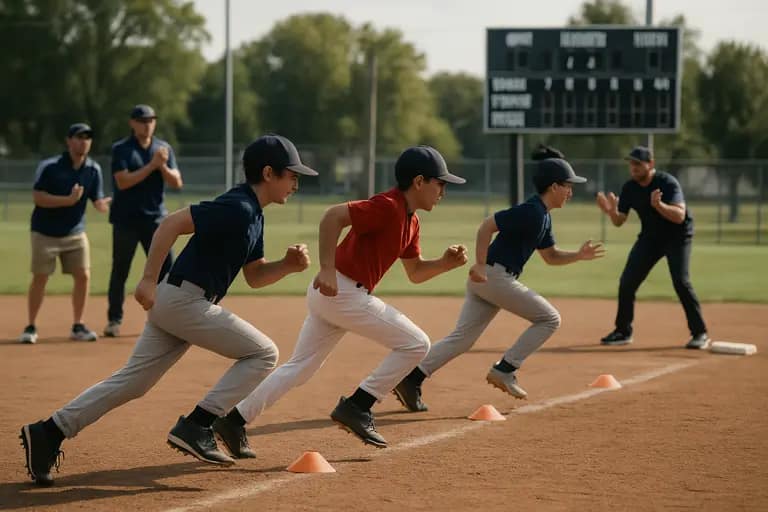
The Grady Emerson rise will likely be discussed in cages, dugouts, and parent meetings across North Texas because it gives local programs a visible example of high-level development. The danger is turning one player’s path into a sales pitch. Emerson’s story should raise the standard for training conversations, not create panic among families whose players are still growing.
Programs Should Teach More Than Exposure
A strong Texas training program should be able to explain its development model. How are hitters evaluated? How are throwing loads tracked? How are younger players moved between positions? How does the staff talk with families after a tough weekend? Exposure has value for older prospects, but it does not replace teaching. Scouts notice tools and performance, but those tools are usually shaped through years of practice, competition, and adjustment.
Mentorship Is Part Of The Baseball Pipeline
Emerson’s connection with Greer is a reminder that mentorship can speed up learning when the message is clear and the athlete is ready to receive it. Mentorship is not only private instruction. It can come from a varsity coach who teaches preparation, a travel coach who explains failure well, or an older teammate who models work habits. Texas programs that build this kind of environment give players more than drills; they give them a way to think through the game.
There is also a community angle. When a Texas high school player reaches the top of the draft, younger players see that serious baseball development can happen close to home. That does not mean every athlete should copy his school decision or training schedule. It means local baseball families can ask better questions and value the daily work that usually sits behind public recognition.
How Texas Players Can Apply The Emerson Example
The practical lesson for Texas families is to slow the conversation down. Start with the player in front of you. Is he learning? Is he healthy? Is he facing enough challenge without being buried? Is his coach giving feedback he can act on? Those answers matter more than chasing the newest event or the biggest roster name.
A Family Checklist For Player Growth
For a younger athlete, the right next step may be a better practice routine at home. For a junior high player, it may be a strength plan built around movement quality rather than max numbers. For a high school player, it may be honest video review, more competitive at-bats, or a clearer academic plan. Emerson’s example supports the idea that development works best when training, coaching, competition, and maturity move together.
The Grady Emerson rise should encourage Texas baseball families, not pressure them. One elite player’s path cannot guarantee another player’s result. What it can do is remind coaches and parents to build programs around instruction, consistency, and the long view. That is where Texas high school baseball can keep growing: not by copying a single star, but by helping more players receive age-appropriate coaching, stronger mentorship, and a better daily plan.