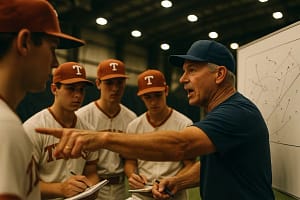
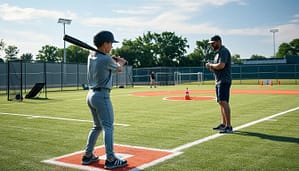
The 2026 All-American conversation around Texas youth baseball should be handled with care: the supplied research points to standout Texas-linked success stories, but it does not include a verified full schedule, roster, bracket, or age-division results sheet for the 2026 Baseball Youth All-American Games. What can be verified is still useful for families and coaches. The strongest examples show how Texas players and programs are being noticed on national stages, from a youth academy championship finish in Philadelphia to a freshman honor at Texas A&M.
What Texas youth baseball Families Can Verify
For parents planning tournament trips, coaches building summer schedules, and players chasing invite-only events, verified details matter. Youth baseball is full of camp announcements, roster graphics, social posts, and word-of-mouth buzz. Those can help families learn where talent is gathering, but they are not the same as an official result or a confirmed award release.
The research packet for this topic supports two firm Texas-connected success points through the approved source set. First, the Texas Rangers Youth Academy won the 2026 Commissioner’s Cup in Philadelphia after a late rally. Second, Texas A&M third baseman Nico Partida received Freshman All-America recognition from Baseball America, with his freshman-year production listed by the school. Those are not the same event, but together they show the same pipeline pattern: Texas players are developing through youth academies, high school circuits, college programs, and national recognition channels.
Texas youth baseball Lesson From Philadelphia
The most direct youth-focused story is the Rangers Youth Academy’s finish at the Commissioner’s Cup. On July 13, 2026, the Texas Rangers Youth Academy overcame a five-run deficit in the bottom of the seventh inning and beat the Compton Youth Academy 10-9 to win the 2026 Commissioner’s Cup at Tommy Lasorda Field in Philadelphia, according to the reported title game. For coaches, the teaching point is not just the final score. It is the setting: a national youth academy event, a late-game deficit, and a Texas group that stayed in the game long enough to finish it.
For Texas youth baseball coaches, that type of comeback is a practical classroom. It gives teams a reason to practice seventh-inning situations, dugout composure, base-running pressure, and defensive communication when momentum changes. Young players often hear that one inning can flip a game. This result gives Texas coaches a verified example they can point to without turning the lesson into empty hype.
The Rangers Youth Academy Comeback As A Teaching Moment
The Rangers Youth Academy result carries extra weight because youth academy baseball is built around access and development. Academy players are not only playing games; they are learning how to compete in front of peers from other markets. A one-run championship game after a five-run deficit is exactly the kind of pressure situation that helps coaches see which players can slow the game down.
For tournament directors in Texas, the lesson is structure. Close games do not happen by accident every time, but good event formats create chances for players to face better pitching, late-inning stress, and meaningful defensive moments. A bracket that gives teams competitive games is more valuable than a weekend filled with mismatches. Texas families know this from long Saturday schedules in Dallas-Fort Worth, Houston, Austin, San Antonio, and the smaller baseball communities that feed those hubs.
Why The Late Rally Matters For Coaches
A late rally tells coaches something different than an early blowout. Players have to handle previous mistakes, adjust to pitching changes, and keep taking quality at-bats after the scoreboard turns against them. That is where coaching language matters. A calm dugout, clear signs, and steady baserunners can keep a young team from giving away outs when the moment gets tight.
Texas teams can use this story during practice without pretending every player will lift a national trophy. The realistic takeaway is better: prepare players to stay available for the next pitch. In a state where summer tournaments can involve heat, travel delays, turf fields, and long gaps between games, mental reset skills are part of player development. The Rangers Youth Academy win gives that lesson a real Texas connection.
College Recognition Shows The Pipeline
The other verified success story in the approved source set comes from the college side, but it still matters to youth players. Texas A&M third baseman Nico Partida was named a First Team Freshman All-American by Baseball America after a rookie season in which he hit .306 with 12 home runs and 43 RBIs, per the Texas A&M announcement. That is a college award, not a youth tournament result, so it should not be folded into the All-American Games as if it came from the same event.
Still, families following Texas youth baseball can learn from the connection. The player development path in this state does not run through one showcase or one weekend. It often moves through local league play, select tournaments, high school competition, strength work, recruiting exposure, and college development. Partida’s recognition is a reminder that early success has to keep growing after a player reaches campus.
What Young Players Can Take From Partida’s Honor
Partida’s listed freshman numbers give younger players a concrete target in a broad sense: production has to travel. Power, contact, and run production still matter when the competition level rises. For infielders, the path also demands defensive reliability, but this source release centers on the honor and offensive totals, so that is where the verified discussion should stay.
For parents, the message is patience. Not every 12-year-old needs to chase every national invite. A good development plan should match age, strength, skill level, school workload, and family budget. A strong player can get better through consistent reps and the right competition level, not just through travel miles.
How Texas Coaches Can Use These Stories
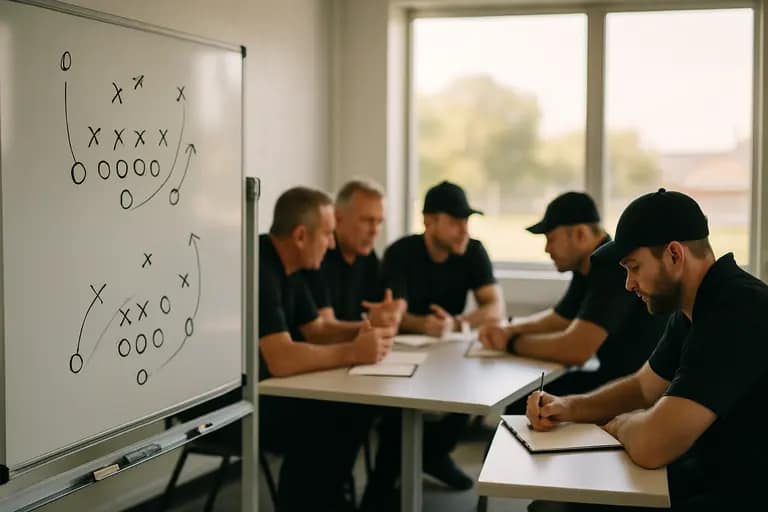
Stories are useful only if they change the next practice. The Rangers Youth Academy comeback and Partida’s freshman honor both point toward preparation, not shortcuts. Coaches in Texas can turn them into teaching themes across fall workouts, winter training, and summer tournament play.
- Build late-game practice blocks: Start innings with runners on base, a deficit on the scoreboard, and a limited number of outs.
- Track quality at-bats: Reward hard contact, productive outs, and smart takes instead of only hits.
- Prepare for travel pressure: Teach players how to warm up after long drives, rain delays, and extended gaps between games.
- Use verified examples: Share confirmed results and official award releases, not rumor-based rankings or unverified graphics.
That approach fits the reality of Texas youth baseball. Families invest time and money into tournaments, but development still depends on instruction, rest, competition fit, and honest evaluation. A national-stage comeback can motivate a team, while a college All-America honor can show what long-term growth may look like.
Why Texas youth baseball Success Stories Matter Now
Texas baseball families do not need inflated claims to feel proud of the state’s player pipeline. The verified stories are strong on their own. A Rangers Youth Academy team won a national academy title with a dramatic final inning. A Texas A&M freshman earned a national freshman honor with clear production behind it. Those facts give coaches and players enough to work with.
The careful reading is this: the 2026 Baseball Youth All-American Games topic signals interest in high-level youth recognition, but the provided research does not verify the event’s full Texas results. Until an official event page, roster, or results sheet is available, the responsible Texas angle is to highlight confirmed success stories connected to the same development path. That keeps the focus where it belongs: players improving, coaches teaching, families planning wisely, and Texas programs proving they can compete when the stage gets bigger.
For young players across the state, the message is practical. Keep showing up for the next rep. Learn how to handle a bad inning. Respect the long route from youth ball to college baseball. The best stories from 2026 are not just about awards; they are about habits that Texas teams can bring to the next practice, the next tournament, and the next tight game.