For Texas youth baseball families, national tournaments can be more than a long weekend with hotel rooms, bracket pressure, and cooler checks before first pitch. The right event can test a roster, expose players to different styles of competition, and give coaches a clearer read on how their team responds outside its home routine. The benefits are real, but they are not automatic. They depend on fit, timing, budget, roster health, and whether the event supports the team’s development goals.
The research provided for this topic does not include verified baseball-specific economic data for youth events, so this piece does not claim a dollar impact for any Texas youth baseball tournament. What the available high-authority examples do show is that sports travel can move local spending and attention at a major-event scale. Texas baseball teams can use that lesson carefully: plan with ambition, but measure success in player growth, team readiness, family experience, and sustainable cost control.
How National Tournaments Help Texas Teams Plan
National Tournaments And Player Development
Baseball development is not built only through extra swings or bullpen sessions. It also comes from playing under schedule pressure, facing unfamiliar opponents, and adjusting after a rough inning without the comfort of a local league routine. For Texas teams, national tournament play can show whether a lineup travels well, whether pitchers recover responsibly between outings, and whether bench players can handle meaningful innings when the bracket gets tight.
That does not mean every team should chase the biggest event available. A 10U roster still learning defensive communication may need a different tournament fit than a 14U team trying to test pitching depth before a summer run. Coaches should ask what the team needs most: stronger competition, more reps, a different regional opponent pool, or a higher-pressure setting. Families comparing event options can also review Texas tournament selection before committing to a travel-heavy weekend.
Roster Depth, Roles, And Coaching Adjustments
National tournaments often force decisions that local weekends may not. A coach may need to protect a starter’s arm, move a catcher out from behind the plate, or trust a reserve infielder in a late pool-play spot because Sunday matters. Those situations can help a staff learn which players are ready for larger roles and which skills need more work back home.
For players, the value is not limited to the athlete who hits third or starts Game 1. A backup catcher who blocks well in a tight game, a reliever who throws strikes after a long wait, or an outfielder who handles a windy ballpark all gain useful experience. That is where national tournaments can sharpen a team’s understanding of its full roster, not just its headline players.
What Major Texas Sports Events Teach Baseball Families
Economic Impact Is Real, But Scale Matters
Large Texas sports events show why cities compete for tournaments, championships, and visiting teams. The City of Dallas projects an economic impact between $1.5 billion and $2.1 billion from hosting nine 2026 World Cup matches at AT&T Stadium in Arlington, according to a Frisco city report on the North Texas event role World Cup impact figures. That is not a youth baseball comparison, and it should not be treated as one. A global soccer event and a youth baseball tournament operate at very different scales.
Still, the lesson is useful for Texas baseball communities. Visiting families need hotels, fuel, meals, laundry, ice, sunscreen, and time between games. Local parks, restaurants, and small businesses can feel the presence of teams traveling in for competition. Even when the spending is modest compared with a major stadium event, the activity can matter to a tournament host area during a busy sports weekend.
Another Texas example comes from San Antonio. Forbes reported that the 2011 Valero Alamo Bowl created an economic impact of $39 million for the city, with attendees spending an average of $698 during their visit Alamo Bowl economic impact. Again, that is college football, not youth baseball. But it shows how travel, lodging, food, and local entertainment can be tied to sports participation and attendance.
Why Caution Helps Teams And Host Cities
The research notes also flag uncertainty around big-event projections, including concerns that some large sports-event estimates may be overstated and that tourism expectations can fall short. Texas baseball families should take that caution seriously. A national event may bring real opportunity, but it can also bring higher entry fees, longer drives, missed school or work time, and extra pressure on players who are still developing.
For host cities, honest expectations matter. A tournament that fills fields but leaves families frustrated by parking, field conditions, or schedule confusion may not build long-term trust. A well-run event, even if smaller, can create repeat attendance and better word-of-mouth among coaches. Baseball families talk, and the dugout network spreads good and bad tournament experiences fast.
Team Benefits Beyond The Bracket
Confidence, Standards, And Team Identity
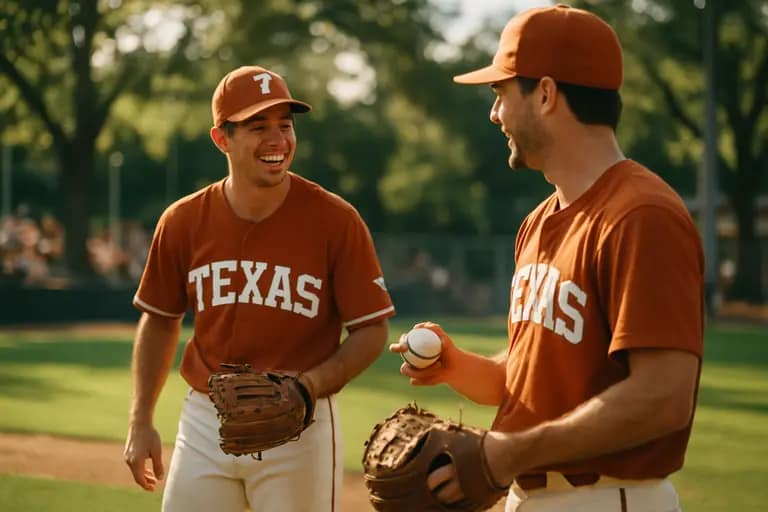
The best reason to travel is not always the trophy photo. Sometimes the gain is a player realizing he can compete against a pitcher he has never seen. Sometimes it is a team learning that sloppy warmups, late arrivals, or loose dugout habits hurt more when the opponent is prepared. National tournaments can raise a team’s internal standard because mistakes get exposed quickly.
For Texas teams, that can be valuable during long spring and summer seasons. A club from Houston, Dallas-Fort Worth, San Antonio, Austin, the Valley, West Texas, or East Texas may return from a travel event with clearer practice priorities. Coaches can turn those lessons into targeted work: bunt defense, first-and-third plays, relay communication, two-strike approach, or bullpen strike percentage.
Parent Planning And Community Support
Travel baseball works only when families understand the commitment. Before entering a national event, teams should talk openly about budget, transportation, lodging, meals, uniforms, and playing-time expectations. That conversation is not as fun as picking uniforms, but it prevents problems once the schedule drops.
Community backing can help reduce stress on families, especially when a team earns or chooses a major travel opportunity. Local sponsors, team fundraisers, and parent volunteer roles can make the difference between a trip that divides the dugout and one that brings it closer. Coaches working on the mental side of travel competition may also find useful ideas in competition coaching for Texas youth baseball.
- Set the purpose first: Know whether the event is for development, exposure, stronger competition, or team bonding.
- Check the calendar: Avoid stacking high-pressure travel too close to school conflicts, pitching-heavy weekends, or family holidays.
- Protect arms: Plan pitching roles before the first game, not after the bracket gets stressful.
- Communicate costs: Give families realistic totals for fees, travel, lodging, food, and gate costs when available.
- Review after the event: Measure what improved and what needs work before signing up for the next trip.
Why National Tournaments Matter For Texas Baseball
National tournaments matter for Texas baseball when they help teams grow without losing sight of age, health, budget, and family commitment. They can bring a roster into a new competitive setting, give coaches better feedback, and help players learn how their habits hold up away from home. They can also support host communities through sports travel, though youth baseball should be judged on its own scale rather than compared directly with World Cup matches or college football bowls.
The practical takeaway for Texas teams is simple: choose the event that matches the roster, not the event with the loudest name. If the tournament creates better baseball habits, clearer roles, smarter travel planning, and a stronger team culture, the trip has value beyond wins and losses. That is the real benefit of taking Texas youth baseball onto a bigger stage.