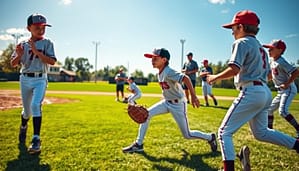
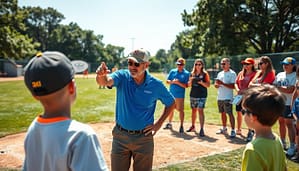
Perfect Game Texas activity has given local coaches and families a clear reminder: tournament weekends are not just scoreboards and brackets. They can be used as live feedback for practice design. Perfect Game announced a 2026 schedule with more than 7,000 events nationwide, with Texas leading all states and expected participation from more than 20,000 teams, according to its 2026 event schedule. For Texas youth baseball, that volume creates a simple coaching question: what should young athletes take from these events once they get back to weekday practice?
The answer is not to copy showcase pressure every day. Young players still need clean catch play, balanced swings, ground-ball footwork, and recovery. The better move is to use tournament lessons as clues. If hitters were late on firm fastballs, build earlier timing work. If infielders rushed throws after long innings, train feet before hands. If a player looked uncomfortable in a new venue, practice routines that travel well from Mansfield to Dripping Springs to Kyle.
What Perfect Game Texas Shows Coaches
Perfect Game Texas Takeaway: Reps Need A Purpose
Big event settings can expose habits quickly. A hitter who looks fine in a cage may chase up when the game speeds up. A pitcher who throws strikes in practice may lose direction when runners start moving. A shortstop with good hands may still field flat-footed after a long wait between balls. Coaches should treat those moments as practice notes, not labels on a kid.
One useful method is the three-note rule. After each tournament day, write down one strength, one habit to clean up, and one practice rep that matches the game situation. Keep it short enough that parents and players can understand it on the ride home. For a related local angle, our Perfect Game Texas training cues piece looks at how coaches can turn event reps into player growth without overloading young athletes.
Separate Evaluation From Development
Texas families often feel the pressure of exposure events, especially as players get older. Still, youth development works better when evaluation and training are separated. During a game, the player competes. After the game, the coach studies patterns. At practice, the team builds the missing skill at slower speed before bringing it back to game pace.
That order matters. A 12-year-old does not need a speech about every missed pitch. He needs a coach who can say, “Your load started late, so Tuesday we are going to track longer and swing less.” That kind of simple language gives the athlete a job he can repeat. It also keeps the parent conversation focused on development rather than panic.
Build Better Hitting Reps From Event Data
Pitch Recognition Before Full Swings
Perfect Game’s partnership with WIN Reality was announced on June 29, 2026, and the announcement said the virtual reality training allows athletes to face thousands of realistic pitches while working on pitch recognition and timing through its official training partner announcement. For youth coaches, the key idea is not that every team needs the same equipment. The training lesson is that seeing pitches matters, and hitters can improve their decision process before taking a full swing.
On a regular Texas practice night, coaches can run low-tech pitch recognition work. Stand behind an L-screen or use front toss and call for hitters to track without swinging. The hitter says “fastball,” “breaking,” “up,” or “down” as early as possible. Younger players can simply call “strike” or “ball.” The goal is quiet eyes and a calm body. If every rep turns into a max-effort swing, the player may miss the lesson.
Swing Checks Without Chasing Numbers
The WIN Reality partnership also included integration of Blast Motion sensor technology at select events, with performance data used during evaluations. Data can help coaches ask better questions, but youth players still need clear movement cues. If the bat path is inconsistent, start with posture. If timing is late, start with the gather. If contact is weak, check whether the front side is flying open before blaming effort.
A practical station can run in three rounds. First, five dry swings with the player holding balance at finish. Second, five tee swings aimed at the middle of the field. Third, five front-toss swings where the hitter tracks the ball to contact. The coach gives one cue only. “Stay tall,” “land soft,” or “see it longer” works better than a pile of instructions.
- For early hitters: use color-call drills with tennis balls or marked baseballs to train vision.
- For middle school players: add take rounds where they earn points for correct swing decisions.
- For older youth players: chart timing misses by pitch type, then train the most common miss first.
Turn Texas Venues Into Practice Planning
Practice For Travel-Day Tempo
Perfect Game listed new Texas venues tied to growth, including Fields at Station 63 in Mansfield, CTX Field of Dreams in Dripping Springs, and Black Star Athletic Complex in Kyle. Those locations matter because many families are not just playing near home. They are dealing with drives, early report times, warm weather, turf or dirt differences, and long gaps between games.
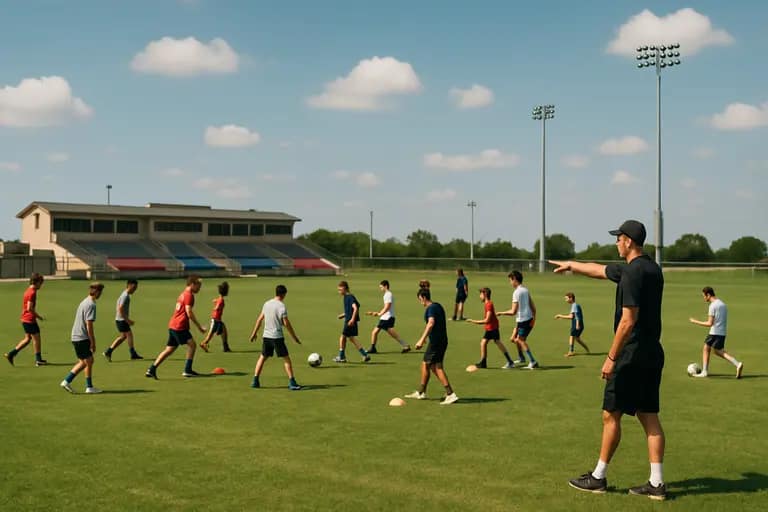
Coaches can prepare players for that rhythm. A travel-day practice should not be long just to prove toughness. It should teach players how to get ready quickly. Start with a short jog, dynamic movement, band work if the team uses it, and clean catch play. Then move into one defensive station and one hitting station. The point is to help athletes learn what their body needs before first pitch.
Keep Warmups Short And Useful
Many youth teams waste warmup time by letting players drift. A better tournament warmup has roles. Outfielders get reads. Infielders work through the ball. Catchers make short throws before they air it out. Pitchers build gradually. Hitters track a few flips or short tosses if space allows. Nobody needs to win batting practice before a pool game.
If your team is building a weekly plan around tournament weekends, connect the event notes to practice stations. The same idea fits with Texas youth baseball practice plans that use stations, tempo, and game-like reps. The best plans do not try to fix everything. They pick the two or three habits that showed up most often and give players enough repetitions to feel the adjustment.
Why Perfect Game Texas Training Carries Into Practice
Make The Next Week Count
The main value of a busy tournament calendar is not the patch on the sleeve or the number of games played. It is the feedback loop. Compete, observe, train, and compete again. That cycle fits Texas baseball because teams often move from local practices to weekend events with very little time between. Coaches who use Monday or Tuesday to review patterns can make the next practice sharper.
Perfect Game Texas events can also help families see that development is not one single showcase moment. A player may need better swing timing, cleaner footwork, stronger throwing routines, or calmer pregame habits. Those are all trainable. The job for adults is to keep the message practical: one adjustment, one drill, one week of honest work.
For young athletes, the best training insight is simple. Use the event to learn what the game is asking from you. Then go back to the field and build that skill with purpose. If Perfect Game Texas keeps drawing large participation and new venue activity across the state, the teams that benefit most will be the ones that turn busy weekends into steady, teachable practice time.