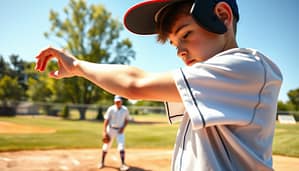
The Conroe All-American Games gave Texas youth baseball families a late-July measuring point, with Baseball Youth bringing its 2026 All-American Games to Scrap Yard Sports in Conroe from July 23-26. The event was listed for age divisions from 9U through 14U, with a tournament setup and several skills competitions tied to individual performance evaluation. Specific game scores, leaderboard results and named standout players from the Conroe stop are not available in the provided public source material, so the clearest highlights are the verified event structure, the performance categories and the setting that shaped the week.
Conroe All-American Games Event Frame
For Texas families, the first useful detail is the site. Scrap Yard Sports, at 29607 Robinson Rd. in Conroe, hosted the event, according to the Baseball Youth event listing on Travel Sports Travel Sports event page. That matters because Conroe sits within reach of the Houston youth baseball base while still drawing families from outside the immediate area. A national-style event in that part of Southeast Texas creates a different feel than a local weekend bracket. Players are not just seeing the same league opponents; they are sharing dugouts and opposing dugouts with athletes from other regions.
Baseball Youth identifies itself as the home of the All-American Games, and its event information lists Conroe among the All-American Games locations for 2026 Baseball Youth. The research provided also notes that the 2026 series included other locations such as Reno-Tahoe and Panama City Beach. That gives the Conroe stop a place inside a broader event series rather than a single isolated tournament.
Conroe All-American Games Age Divisions
The age group structure is one of the strongest verified parts of the event. The listed divisions included 9U, 10U, 11U, 12U, 13U and 14U. That spread covers players still building basic game habits as well as older youth athletes nearing the next phase of middle school and early high school evaluation. For coaches, the range matters because performance should not be judged with one flat standard. A 9U player’s best sign may be strike-zone control, defensive readiness or base-running awareness. A 14U player is more likely to be assessed on measurable tools, physical projection, game tempo and how quickly he adjusts between at-bats.
The Conroe All-American Games format, as described in the research, gave participants a tournament setting with a minimum of three games per team. That minimum is important for evaluation. One game can be noisy: a player may draw a tough matchup, get one playable ball, or pitch in a short window. Multiple games give players more chances to show repeatable habits, not just one loud swing or one clean inning.
Skill Competitions Shaped The Performance Story
Because public, player-specific results from the 2026 Conroe event were not included in the available sources, the skill competitions become the most reliable way to discuss performance highlights. The event offered several measurable categories: Home Run Derby, Throwing Velocity, Exit Velocity, Pitchers Velocity, 60-Yard Dash and Catchers Pop Time. Those events do not replace game performance, but they help sort different parts of a player profile.
For Texas youth baseball coaches, those categories line up with familiar player-development questions. Can a hitter create hard contact? Can an infielder or outfielder carry the baseball with enough arm strength? Can a pitcher show usable velocity while still throwing strikes? Can a catcher receive, transfer and throw with game speed? Can a runner post a time that matches what coaches see on first-to-third reads? The value is not just the number; it is how the number fits the player’s game.
Measurable Tools Without Unverified Names
The safest way to describe the Conroe All-American Games performance picture is to separate verified event design from unverified claims. The research confirms the skill categories, but it does not provide official winners, rankings, player names or stat lines from the Conroe stop. That means any claim naming a top hitter, fastest runner or hardest thrower would go beyond the record available here.
Still, the categories tell Texas families what the event valued. Home Run Derby and Exit Velocity pointed toward bat speed and contact quality. Throwing Velocity and Pitchers Velocity put arm strength on display, though coaches should always pair velocity with command, recovery and workload care. The 60-Yard Dash gave a straight-line speed marker. Catchers Pop Time created a focused look at transfer quickness, footwork and throwing accuracy. Together, those stations built a performance snapshot for players who may not get equal game opportunities across a short tournament window.
Families preparing for similar national events can review All-American Games coaching notes with a practical lens: warm up properly, know the event schedule, control the controllables and do not let one station define the whole week. A clean defensive inning or mature at-bat can matter just as much as one showcase reading.
How The Tournament Format Tested Players
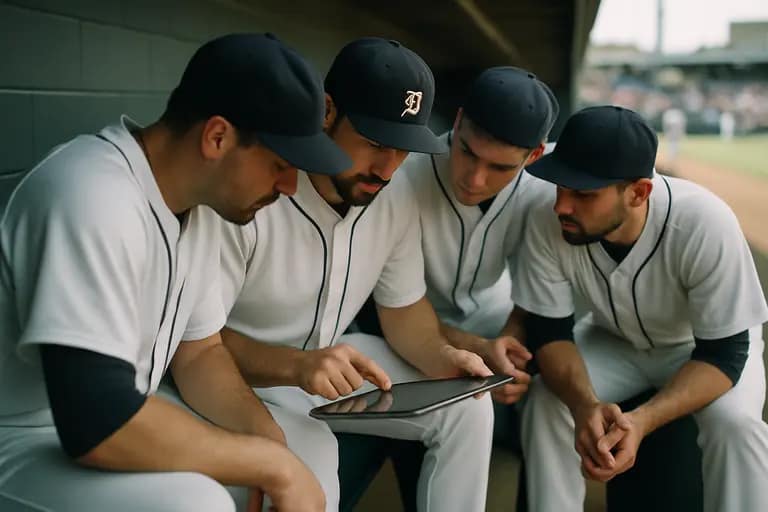
The tournament piece gave the event its baseball rhythm. A skills station can show a tool in isolation, but games test whether that tool holds up with runners on base, changing counts and dugout pressure. The research describes a three-day tournament format with each team receiving a minimum of three games. That type of structure can reveal roster depth quickly, especially in late July heat around the Houston area.
For pitchers, a multi-game event rewards efficiency. A player who pounds the zone, fields his position and limits free bases can help a team even without a headline velocity number. For hitters, multiple games bring different arms and pitch shapes. The best tournament at-bats are often not the loudest swings; they are the ones where a player adjusts after seeing a breaking ball, moves a runner or refuses to chase with two strikes.
Game Reps And Player Development
The Conroe All-American Games also created a social and competitive test. The research notes that the event emphasized individual player development and exposure while allowing athletes to play with and against peers from different regions. That setting can be uncomfortable at first, especially for players used to long-standing local teammates. It asks players to communicate quickly, learn new signs, handle new coaches and compete without the usual routine.
Those details matter for Texas teams that use summer events to build confidence before fall ball or the next school year. A player who stays organized between games, keeps his gear ready, listens in pregame meetings and supports unfamiliar teammates is showing coachable traits. Those habits do not always show up on a leaderboard, but they are part of performance. Tournament baseball has a way of exposing whether a player can reset after a strikeout, a bad hop or a long inning in the field.
For clubs weighing travel events beyond local brackets, the same planning questions apply. The strongest reason to attend a national-style event is not a guaranteed outcome; it is the chance to compare pace, depth and preparation. That is why the broader topic of national tournaments for Texas teams fits this conversation. The benefit depends on how families and coaches use the experience after they get home.
What Texas Families Can Take From Conroe
The verified record from the 2026 Conroe event points to a clear takeaway: the performance story was built around opportunity, structure and measurable skill windows, not publicly available stat leaders. The event package also included two Stinger jerseys, a limited-edition hat and a commemorative championship-style ring for each participant, according to the research. Those items are part of the event experience, but the baseball value comes from the games, the skill work and the comparison against unfamiliar competition.
Texas parents should view a week like this with a balanced scorecard. Did the player compete with energy? Did he handle the schedule? Did he recover between games? Did he learn where his measurables stand? Did he leave with one or two specific training targets? A catcher may come home focused on transfer footwork. A pitcher may need cleaner direction to the plate. A hitter may learn that hard contact in a cage is different from staying on time against live pitching.
The Conroe All-American Games also showed why verified information matters. Without official Conroe stat sheets or published player results in the available sources, the responsible recap cannot create all-tournament teams or name MVPs. What can be said is that Baseball Youth staged the event in Conroe, listed age divisions from 9U to 14U, included a minimum three-game tournament format and offered skill competitions that covered power, speed, arm strength and catching actions.
For Texas youth baseball families, that is enough to frame the event as a useful summer checkpoint. The next step is local: take the feedback, match it against fall training, and build a plan that fits the player’s age, body and role. Conroe supplied the stage. The real performance gain comes in the weeks after, when a young player turns one tournament experience into better practice habits back home.