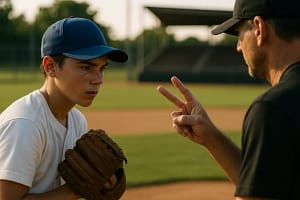
Five Tool lessons can help Texas youth baseball coaches turn tournament trips from San Antonio to Houston into sharper practices, clearer player roles, and better daily habits. The supplied research supports two useful points: Five Tool Players stresses baseball instruction, fundamentals, and character traits, and at least one Texas-area youth team page shows games connected with Five Tool Baseball and Perfect Game. That gives coaches a practical frame: use tournament pressure as a teaching lab, then bring the teaching back to weekday work.
Why Five Tool Lessons Fit Texas Player Development
Texas youth baseball has plenty of weekend competition, but games alone do not build a player. Coaches still have to connect what happens under tournament pressure to what players repeat in practice. Five Tool Players says its program teaches young athletes the art of baseball while building pride, discipline, perseverance, and belief, with a focus on playing correctly and becoming fundamentally sound Five Tool Players mission. That mission lines up with what most Texas families want from tournament baseball: better skills, stronger effort, and players who can handle hard innings without losing focus.
Five Tool Lessons Start With Fundamentals
Five Tool lessons should not be treated as a slogan. For a coach, the lesson is simple: the tournament reveals what the practice plan has missed. If the middle infielders are late on feeds, the next week needs double-play footwork. If outfielders drift instead of working through the ball, the team needs first-step reads and crow-hop work. If hitters chase up in the zone with runners on, the next cage session needs count work and strike-zone discipline.
The key is to avoid turning every loss into a long lecture. Young players need one or two clear points, not a speech that sounds longer than the game. A coach might say, “Our cutoff communication was late twice today, so Tuesday starts with relay work.” That gives the team a direct connection between the game and the drill. Players see that practice is not punishment; it is the repair shop.
Character Shows Up Under Game Pressure
The research notes pride, discipline, perseverance, belief, teamwork, integrity, sportsmanship, courage, and discipline as part of the Five Tool Players mission. Those traits are hard to teach from a whiteboard. They show up when a pitcher walks two hitters, when a catcher blocks a ball after taking a foul tip, or when a hitter has to move a runner instead of trying to pull a ball into the parking lot.
Texas coaches can build these traits by grading controllable actions. Did the dugout stay engaged? Did the on-deck hitter track the pitcher? Did the runner know the outs before the pitch? Did the defense communicate before the ball was put in play? These are baseball actions and character actions at the same time.
Turn Tournament Weekends Into Practice Plans
The strongest tournament teams are not always the biggest or loudest. Often, they are the teams that learn fastest between games. Ball 2 Barrel’s B2B Elite 9U games page lists Five Tool Baseball and Perfect Game in its game information, showing a youth team getting game exposure through recognized tournament settings B2B Elite 9U games. The supplied source material does not confirm exact tournament dates or venues for San Antonio or Houston, so coaches should treat those city references as regional planning context, not a verified schedule.
Track What Actually Happened
A coach does not need a full scouting department to learn from a weekend. A clipboard, a parent scorekeeper, or a simple notes app can capture enough. Track the first inning, the inning after an error, and the inning after a long offensive frame. Those moments tell you whether players can reset. Five Tool lessons are most useful when they are tied to repeated patterns instead of one bad hop or one unlucky swing.
For example, if a 10U team gives away bases because outfield throws miss the cutoff, the fix is not just “throw better.” The fix is a drill progression: field through the ball, align the front shoulder, hit a waist-high relay target, and let the infielder redirect with quick feet. If a 12U group struggles with two-strike at-bats, the next hitting session should include shorter stride work, opposite-field contact, and live tracking where hitters call ball or strike without swinging.
- After Pool Play: Pick one defensive issue, one hitting issue, and one baserunning issue to carry into practice.
- Between Games: Use five-minute player talks, not full team speeches, so instruction stays clear.
- After The Weekend: Build the next two practices from tournament notes before adding new material.
- For Parents: Share the teaching theme, such as “better first steps,” instead of blaming results.
Keep Travel From Beating Development
Trips between Texas cities can make families tired before the first pitch. Coaches should protect warmups and recovery. That means arriving with enough time for throwing progressions, controlled ground balls, and short batting prep. A rushed warmup often creates rushed defense. A tired player can still compete, but he needs a routine he trusts.
This is where summer tournament skills matter for Texas teams. Pool play, bench time, and warmup windows can all become useful reps if the staff has a plan. A player who is not starting can still read pitchers, time pickoff moves, chart swings, or take focused dry reps behind the dugout if the facility setup allows it.
Drills Coaches Can Pull From Game Pressure
Five Tool lessons become real when they show up as drill work. The tournament may identify the problem, but practice has to slow the game down enough for players to feel the right move. Texas coaches should keep the drill menu short and repeatable. Young athletes improve faster when the drill language stays familiar from week to week.
Infield Pace And Throwing Angles
For infielders, start with a three-ball rhythm drill. Ball one is routine, fielded with quiet feet and a firm front side. Ball two is a slow roller, with the player attacking through the ball and throwing on the move. Ball three is a backhand or forehand, where the player must set the feet enough to make a clean throw. The teaching point is not flash. It is body control.
Use tournament mistakes as the setup. If shortstops sailed throws in Houston-style humidity or on a long Saturday, ask whether their feet stopped working before the arm missed. Most throwing errors start below the waist. Teach players to replace panic with footwork: gather, align, throw through the target.
Hitting Plans For Tougher Arms
Against stronger tournament pitching, many young hitters get big with the stride and late with the barrel. Build a cage round around three jobs: see the ball longer, stay through the middle, and compete with two strikes. Start with front toss to the opposite gap, then mix firm flips inside, then finish with a two-strike round where any hard ball in play counts as a win.
This is not about making every hitter the same. A pull hitter can still pull. A contact hitter can still use the whole field. The common skill is adjustability. If a player can shorten up without feeling weak, he has a better chance against the better arms he sees in tournament settings.
Managing Exposure Without Skipping Fundamentals
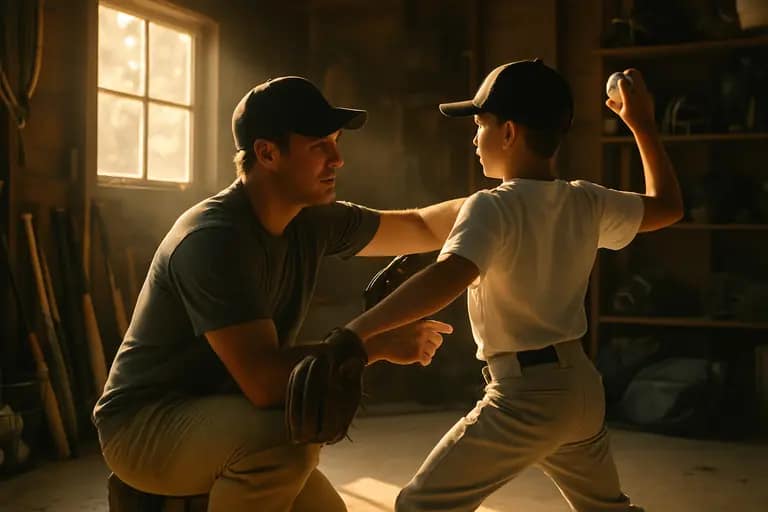
Tournament exposure has value, but exposure without development can leave players chasing jerseys and wristbands instead of better baseball. The research supports the idea that players can gain high-level competition experience through Five Tool Baseball settings, but it does not provide verified claims about recruiting outcomes, rankings, or specific advancement numbers. Coaches should be honest with families about that boundary.
A better message is this: competition gives players feedback. It shows whether practice skills hold up against unfamiliar opponents. It tests roster depth, focus, and game awareness. For more on teaching through pressure, Texas coaches can use competition coaching ideas that keep feedback direct and age-appropriate.
Build Player Roles Before Bracket Play
Young players handle tournament stress better when they know their job. A bench player should know how to prepare as a pinch runner or defensive sub. A pitcher should know whether he is available for one inning, two innings, or not at all. A catcher should know the signs, the mound-visit language, and the blocking priority with runners on base.
Role clarity does not mean locking kids into one position too early. It means giving them a job for that game. A 9U or 10U player can learn multiple spots across a season while still knowing exactly what the team needs on Saturday afternoon.
Making Five Tool Lessons Work Back Home
Making Five Tool lessons work back home takes discipline from the adults first. Coaches should review notes within 24 hours, choose the top teaching points, and resist the urge to fix everything at once. A tournament can expose ten issues. A youth practice can only handle a few if the goal is real progress.
Use A Two-Practice Reset
The first practice after a tournament should clean up the most costly team issue. That might be cutoff throws, bunt defense, backing up bases, or two-strike hitting. The second practice should return to individual skill work: infield hands, catcher receiving, outfield reads, pitcher fielding practice, and base-running turns. This rhythm keeps the team from living in crisis mode after every weekend.
For Texas baseball families, the best sign is not always a trophy. It is a player who understands why the drill matters, competes harder after failure, and carries better habits from San Antonio to Houston and back to the neighborhood field. Keep the teaching simple, keep the standards steady, and let the tournament point the way to the next good practice.