When you agree to coach, you’re bombarded with ads for sports gear. Each ad claims to make your young players stars. But the prices? They can feel like you need a fortune to start.
Relax. You don’t need expensive equipment to teach kids to play. What you need is a solid plan. Think of it like planning a heist. You need a driver, a safe-cracker, and a hacker. Not three hackers.
This isn’t about the most expensive gear. It’s about the essential, durable gear that keeps kids safe and the game going. The rest is just extra stuff. We’re here to show you how to create a budget gear setup that really works.
Forget the $13,000 pitching machine. Let’s focus on the real coach pitch budget kit. We’ll cover the must-haves you buy, the gear you can borrow, and what you should only rent.
Must‑Have vs Nice‑to‑Have Gear
What gear is essential versus what’s just fancy? It’s like Maslow’s hierarchy of needs for T‑ball. At the base, we have basic needs: a helmet, a bat, and a glove. At the top, there’s fancy gear like a $400 bat or a pro-style bag.
The Easton Ghost bat shows two sides. Some love it for its “pop!” while others hate it for breaking. The must‑have is a durable bat that works. The nice‑to-have is the fancy model that might add distance, but might break.
Spending $50 on a good bat gets you 80% of what the $400 model offers. The extra $350 is for the “pop” and looks. For a coach pitch budget kit, we focus on the 80%.
| Must-Have Gear (The Non‑Negotiables) | Nice-to-Have Gear (The “Siren Songs”) |
|---|---|
| Certified, Fitting Helmets (Safety is not a suggestion) | Custom pro‑style gear (matching team colors, pro-style masks) |
| 2‑3 Durable, Game‑Ready Bats (alloy, composite, or hybrid) | The $400+ “hot” bat of the season |
| Sturdy Ball Bag (holds 24+ balls, won’t rip) | Personalized, pro-style gear bags for each player |
| Basic Catcher’s Gear (for coach or a brave parent) | Full individual catcher’s sets for every practice |
| Bucket of Practice Balls (durable, not pristine) | Brand new, league‑specific game balls for practice |
The table shows what’s important. The left column wins games. The right column is for style. For a coach pitch budget kit, focus on the left column. A bat that works and lasts is key. The fancy bat is a gamble.
Think of gear as a portfolio. Must-haves are like blue-chip stocks. They’re reliable and essential. Nice-to-haves are like tech stocks. They’re risky but might offer big rewards. Your budget should go to the blue-chips.
Buy vs Borrow vs Rent: decision matrix
Deciding whether to buy, borrow, or rent your coach’s equipment doesn’t need an MBA. Just look at your budget and the league’s storage. Every season, parents and coaches face a tough choice. They must balance their player’s needs with their wallet’s limits.
A family in financial trouble shared their story on a youth sports forum. They struggled to afford their child’s sports gear. This isn’t just about bats and helmets. It’s about giving kids a chance to play.
Our decision matrix has two main axes: Frequency of Use and Budget Impact. Plot your needs on this grid to find your best path.
- Buy New (High Use, High Budget): Only for gear that gets daily use or is a long-term investment. A quality helmet for multiple seasons? Worth it. But a $300 bat for a short-lived sport? Not so much.
- Buy Used (Smart Budget, High Value): The heart of a smart coach pitch budget kit. Here, you find great deals. Used equipment from trusted sources offers value without breaking the bank.
- Borrow from the League (Low Cost, Low Commitment): Many leagues have gear libraries. It’s budget-friendly and lets you try before you buy. Perfect for seeing if your child’s passion lasts.
- Rent (High-Cost, Low-Frequency Items): For specialized, expensive gear. Need a specific pitching machine for a clinic? Rent it. This keeps costs down and your garage clear.
The forum post about financial hardship is key. The most expensive gear can hurt a family’s budget. A smart coach pitch budget kit uses all four options. Buy used bats and helmets, borrow catching gear, and rent special items. This way, every dollar spent gets your player on the field.
The matrix isn’t about limiting choices. It empowers you to make informed decisions. It grounds your choices in your budget and your player’s commitment. This turns the complex decision into a simple plan to follow.
Price Benchmarks & Where to Find Deals
Let’s talk about a number that might make you think twice: $13,999. That’s the price of a top-notch pitching machine from Pro Sports Equip. It’s a price that makes youth league treasurers nervous. Yet, it’s a great starting point for discussing value.
Our goal isn’t to buy the most expensive option. We aim for something reliable and affordable for the team. Luckily, the difference between high-end and league-worthy is huge. This gap is where you find the best coach pitch budget kit.
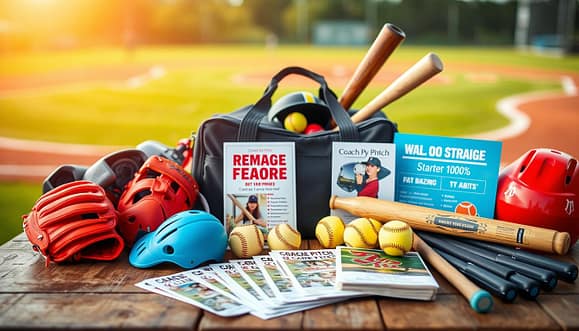
Finding deals for a sub-$500 starter kit requires a different approach. You need to think like a bargain hunter, not a regular shopper.
First, benchmark your “sticker shock.” The $13,999 machine serves as a reference point. Your task is to find a 90% solution for 10% of the price. For a good pitching machine for youth leagues, expect to pay between $1,500 and $3,000. A complete coach pitch budget kit (machine, screen, helmet, balls) should cost between $2,000 and $4,000 for quality.
Now, let’s explore where to find deals:
- End-of-Season Sales (The Clearance Rack): This is basic retail knowledge, but it’s key for team sports. Shop in late fall, after the season ends. Retailers clear out last year’s models for new ones. You can find great deals on last year’s gear, often at 30-50% off.
- League-Sponsored Bulk Buys (The Power of the Group): This is the best deal. If your league agrees on a standard piece of equipment, you get a big discount. Buying 20 helmets at once can save 20-40% off retail. This turns a $100 item into a $60 one.
- Bundles Are Your Best Friend: Bundles are a secret weapon for a coach pitch budget kit. Instead of buying everything separately, look for bundle deals. A starter pack with a machine, screen, balls, and tarp is cheaper than buying each item alone. Suppliers offer discounts on accessories to close deals. Always ask, “What can you do on a bundle?”
- Gently-Used & League Surplus: Don’t ignore the used market. When leagues upgrade, their old gear is a great find. Check league message boards, PlayItAgainSports, and talk to rival coaches. A well-maintained machine from a few years ago is a great deal.
The MSRP is just the starting point. The real price comes from bundle deals, group buys, and smart shopping. You’re not just buying gear; you’re playing a long-term game of procurement.
Prioritize Safety & Durability: Your Non-Negotiables
You can’t coach a kid who’s afraid of the ball. In coach-pitch, safety is key. It’s the foundation of a good program. It’s the smartest part of your coach pitch budget kit.
Skimping on safety isn’t wise. It can ruin a season before it starts.
Think of safety gear as your defensive line. You wouldn’t send a player to the plate without a helmet. A coach shouldn’t go to the mound without a proper L-screen.
This isn’t about fear, but foresight. The cost of durable gear is an investment. It ensures uninterrupted games and peace of mind.
The Unbreakable Wall: The Pitching Screen
A flimsy screen is a ticking clock. It can make a coach lose confidence. This affects the pitch’s speed and location.
You need a screen that can handle line drives. Brands like Bownet are known for quality. They’re built to stop fast pitches.
This isn’t the time to cut corners. A durable screen is a long-term investment.
The Helmet: The Non-Negotiable
The helmet is the most important gear. It must fit well and be certified. There’s no “budget” option for safety.
A proper helmet protects against wild pitches and errant throws. It’s where your maintenance starts. Check for cracks monthly and store it right.
Durability equals safety. A wobbly screen is distracting. A damaged helmet is dangerous.
Investing in durable gear saves money in the long run. It builds player confidence and consistent practices. You’re not just buying a screen; you’re buying a championship-level practice.
Multi‑Use Items that Stretch Your Budget
Forget the one‑trick pony. In youth sports, the best items are those that do it all. A coach pitch budget kit is about finding gear that does more than one thing. It’s like a Swiss Army knife for the dugout.
You’re not just buying stuff; you’re investing in flexibility. A smart coach can make a budget gear kit work like the best.
The backstop screen is a great example. It’s not just a safety net. A clever coach sees it as a portable batting cage, a soft-toss barrier, and a sunshade for the dugout.
This one piece of budget gear can turn a field corner into a practice area. It’s a value that goes beyond its cost.
When it comes to bats, why have two? A high-quality, multi-certified USA Bat can be your go-to for games and practice. This Easton model, for example, is tough enough for a whole season of coach pitch.
It’s a perfect example of a multi-use item. One bat means no need for two.
Training aids can also be multi-purpose. Why have a static tee and a separate soft-toss station? An adjustable batting tee can be a T-ball tee, a soft-toss target, or a bunting station.
It’s not just one tool; it’s a trainer for many sports and skills. It grows with your players.
The real budget master buys solutions, not just things. A bucket of whiffle balls and a pop-up net become a soft-toss and fielding drill station. Flat, circular markers aren’t just bases; they’re agility cones, fielding targets, and game boundary markers.
The goal is to see every piece of equipment as a multi-use tool. That’s how you create a coach pitch budget kit that’s both affordable and versatile.
Maintenance to Extend Life: The Zen of Gear Care
Forget the seventh-inning stretch; the real game is won in the off-hours. A can of lubricant and a spool of waxed thread are your best tools. In youth sports, the most valuable skill isn’t a fast pitch. It’s the quiet, reverent discipline of preventative care.
This isn’t just about fixing what’s broken. It’s the preventative medicine that keeps your coach pitch budget kit from falling apart. It’s about keeping your gear in top shape for the season’s final out.
Consider the cautionary tale of a new Easton bat, cracked and useless after a handful of swings. That sickening crack isn’t just the sound of a game ending. It’s the sound of your budget splintering.
This isn’t about gear being cheap. It’s about the maintenance that was missing. Think of your team’s equipment as a classic car. You wouldn’t ignore the oil in a ’67 Mustang, and you shouldn’t ignore the zippers on a gear bag.
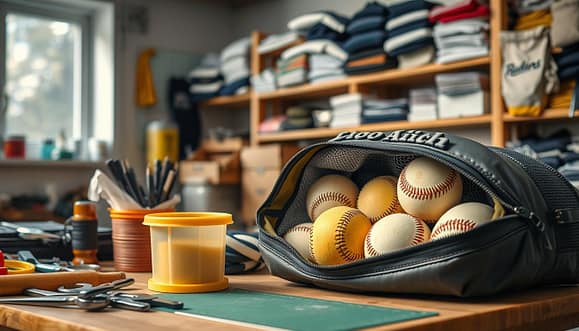
True maintenance is a form of respect for your gear and your budget. It’s the Zen of the zipper, the quiet ritual of the lace, the vigilant care of the net. It transforms a simple kit from a collection of items into a reliable, season-spanning system.
Here’s a practical playbook for proactive maintenance that will keep your coach pitch budget kit in the game for seasons to come:
| Gear Component | Common Failure Point | Preventative Maintenance | Budget-Saving Impact |
|---|---|---|---|
| Zippers (on bags, gear bags) | Teeth jam, slider pulls off track, fabric snags. | Monthly, apply a small amount of lubricant (graphite or silicone spray) to the teeth. Keep zippers fully closed or fully open; half-zipped is how they fail. | Avoids replacing a $50-$100 gear bag because of a $2 zipper failure. |
| Helmet & Pad Laces/Straps | Laces fray, plastic adjusters crack, Velcro loses grip. | Check and re-tighten all laces and straps after every practice. Waxed laces last longer. Keep spare laces and a leather punch in your kit. | Prevents a loose helmet or flapping shin guard during a critical play. Safety is performance. |
| Batting & Safety Nets | Fraying at the seams, loose stitching, UV degradation. | Inspect for loose threads or weak spots monthly. Store nets out of direct, constant sunlight to prevent UV rot. Hand-wash in mild soap, never machine wash or wring out. | Avoids the catastrophic (and expensive) failure of a net during a practice or game. |
| General Gear Care | Dirt, sweat, and moisture are the enemies of all gear. | Wipe down helmets and plastic gear with a damp cloth after use. Air out gloves and cleats after every game. A simple 10-minute post-game wipe-down prevents long-term rot and odor. | Extends the life of every piece of equipment by seasons, maximizing your initial investment. |
This isn’t just about saving money—though your budget will thank you. It’s about cultivating a mindset. It’s the difference between viewing your kit as a collection of objects and treating it as a system you steward.
The one-star review for that Easton bat? It’s a eulogy for a piece of gear that could have had a long, productive life. Don’t write a eulogy for your gear. Write a maintenance log instead.
Sample $300/$500/$800 Carts with Links/Alternatives
Building a coach pitch budget kit is like putting together IKEA furniture without the instructions. You want quality but your wallet is hesitant. I’ve found three carts for different budgets. They turn limited funds into a safe, durable, and effective setup for your team.
Here’s a breakdown from “just the essentials” to “we mean business.” The goal is to get your players safe, effective gear that lasts the season.
The “Bare Bones” Budget: The $300 “Just the Essentials” Kit
This is your basic starter pack. It focuses on player safety and the must-haves. Think of it as the minimal viable product for coach pitch.
- Hitting Tee: A used, solid single-rubber tee. Avoid the wobbly, $20 discount bin specials. Expect to pay $40-$60 for a used but solid model.
- Helmets (4-6): The one area never to buy used. New, NOCSAE-certified helmets are non-negotiable. This will be your biggest expense here (~$25-$40 each).
- Bats (3-4): 2-3 used, league-appropriate bats from a Play It Again Sports or sideline swap group. Focus on condition, not brand. ($15-$30 each).
- Balls & Cones: A dozen new practice balls and a set of 12-18 basic cones for drills. ($50 total).
- Used Catcher’s Gear: One full, used youth set. Check for cracks in the chest protector and ensure the helmet’s cage is secure. ($75-$125).
This kit gets you in the game. It’s not glamorous, but it’s safe and functional. You’ll be the MacGyver of the dugout, but you’ll be on the field.
The “Solid Lineup”: The $500 “Value Engineered” Cart
For about $500, you move from “making it work” to “running a solid practice.” This is the smart coach’s bundle deal sweet spot, blending new and used gear strategically.
You keep the new helmets from the budget kit, but now you can upgrade elsewhere:
- Pitching Screen: A new, mid-grade L-screen is a game-changer for batting practice safety and realism. (~$150 new).
- Better Bats: Instead of 3 used, get 2 new composite or alloy youth bats on clearance. (~$100 for two).
- Field Equipment: A new, durable ball bucket and a quality gear bag to haul it all. ($40).
- Better Used Gear: Instead of the bare-minimum used catcher’s gear, you can find a higher-quality, better-fitting set for a similar price if you’re patient.
This cart is about balance. You’re not just buying equipment; you’re investing in time. The L-screen and better bats make practices more efficient and effective.
The “All-Star Setup”: The $800 “Program Builder”
This is the “no-compromises” cart for the coach who’s in it for the long haul or has a little boost from the league or sponsors. This isn’t just gear; it’s a system.
| Item | Budget Tier Focus | Sample Brands/Notes |
|---|---|---|
| Premium Pitching Screen | Heavy-duty L-screen with stabilizers | All-Screen, Schutt |
| Bat Pack | 4-5 composite or alloy bats, various weights | Marucci, Easton, DeMarini (last year’s models) |
| Catcher’s Gear | New, properly fitted set | All-Star, All-American |
| Practice Aids | Hitting tee with weight kit, soft toss net | Jugs, Tanner, personal preference |
| Extras | Equipment bag, ball bucket, first-aid kit | Generic or team-branded |
Here, you’re buying durability and time. The premium screen and multiple bats mean more kids can get quality reps simultaneously. The coach pitch budget kit philosophy here is about scalability and longevity.
Smart Sourcing: New, Used, and the Art of the Deal
For the $300 and $500 carts, the used market is your best friend. Check SidelineSwap, Play It Again Sports, and local “Play It Again Sports” stores. For the $800 cart, you can mix new (helmets, screens) with high-quality used bats and gear. Always prioritize new for safety items (helmets, catcher’s gear inspection).
The best bundle deals often come from the end of the season or from team parents looking to offload a whole set. Patience and a well-tuned eBay search alert are your co-coaches here.
In the end, your budget dictates your starting line-up. But with these three carts as your blueprint, you can build a coach pitch budget kit that gets your team from the first practice to the last out without breaking the bank—or your spirit.
Season-End Resale & Program Reinvestment Strategy
The season-end equipment pile can look like a graveyard. But what if it wasn’t the end? A smart coach sees it as a chance to grow. It’s not just cleaning out space; it’s a smart way to save for next season.
The market for youth sports gear is strong. Forget old garage sales. Online sites like SidelineSwap and Play It Again Sports are where it’s at. A well-kept bat or helmet is worth something, even if used.
Understanding the value of used equipment is key. It’s most valuable just before and after the season. This is when parents are buying or selling.
To make last season’s gear into next season’s budget, follow three steps: Assess, List, and Reinvest.
The Resale & Reinvestment Playbook
Think of your gear like a team. Some items are seasoned veterans, others are newcomers. Your strategy should be as careful as your lineup.
| Platform | Best For | Avg. Resale (% of Retail) | Turnaround Time | Pro Tip |
|---|---|---|---|---|
| Team/League Buyback | Bats, Helmets, Team Bags | 60-70% | Immediate (within league) | Zero fees, builds team fund. The easiest, most community-focused play. |
| SidelineSwap/Play It Again Sports | Gently used cleats, gloves, bats | 50-65% | 1-3 weeks | Great for gear with some life left. SidelineSwap is the eBay for sports gear. |
| eBay / Facebook Marketplace | High-end bats, premium gear | 40-60% | Varies (1-4 weeks) | Larger audience, but more competition and fees. Patience pays. |
| Local Play-It-Again Sports | Consignment for high-volume items (bats, helmets) | 40-50% (store credit) / 30-40% (cash) | Immediate (store credit) | Fastest cash, but you take a bigger hit on value. Good for quick turnover. |
This isn’t just about making money. It’s a smart cycle. The money from selling old gear funds next season’s needs. A sold bat could buy new practice balls. Two old gloves might get a kid a helmet.
So, what’s the final play? Check your gear after the season. Clean it, take good photos, and price it right. Use the money to improve your program. It’s not just selling; it’s investing in your next win.
Template: Team Equipment Budget & Inventory
After planning your end-of-season resale, you need a way to do it. This template turns your shopping list into a key strategy. It’s like the playbook for your team’s financial health.
Your team is like a small business with lots of turnover. This template is your financial record keeper. Track every bat, helmet, and practice balls against your coach pitch budget kit. Also, plan for the maintenance of each item. It’s not just a spreadsheet; it’s a dashboard for your gear’s life cycle.
This is your control panel for being organized. It helps you move from spending on impulse to managing wisely. You’ll know the cost per practice, predict when to replace things, and never miss a maintenance check. It’s not just about counting money; it’s about running a well-oiled operation. Download it, fill in your coach pitch budget kit numbers, and start managing your gear like a pro.