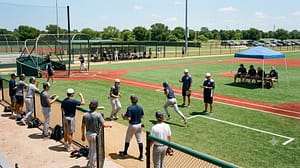
The 2026 MLB Draft has turned Texas high school baseball into one of the clearest scouting stories in the country. With the draft scheduled for July 11-12 in Philadelphia during MLB All-Star Week, national attention is shifting from college stat lines to prep fields, travel tournaments, showcase circuits, and the development systems that prepare Texas players before they ever reach a major college campus.
Why Grady Emerson Gives Texas A True Draft Headliner
Fort Worth Christian shortstop Grady Emerson has become the name that makes this draft cycle different for Texas. MLB Pipeline’s updated 2026 Draft Top 250 placed Emerson at No. 1 overall, ahead of UCLA shortstop Roch Cholowsky, giving Texas high school baseball a national reference point at the top of the board.
That matters because Emerson is not being viewed only as a local standout. He is being evaluated as a complete player with defensive value, offensive polish, arm strength, speed, and enough power projection to stay near the top of the class. MLB Pipeline also listed him among the best tool players in the class, with his combined grades placing him at the front of the prep group.
For Texas Magic Baseball readers, Emerson’s rise is useful because it shows how modern scouting rewards complete development. A player no longer gets national draft traction from one loud tool alone. Scouts want athleticism, defensive certainty, strike-zone control, physical projection, and performance against strong competition.
That is why Texas’ position in the draft conversation feels larger than one player. Emerson gives the state a headline, but the bigger story is how many Texas players are now moving through systems that put them in front of evaluators earlier, more often, and against better competition.
How The Texas Pipeline Extends Beyond One First-Round Name
Baseball America’s state rankings for the 2026 class show the depth behind the headline. Texas’ list includes players from Fort Worth Christian, The Woodlands, Prestonwood Christian, Waxahachie, Corsicana, Katy, Memorial, Allen, Veterans Memorial, Krum, Angleton, Pleasant Grove, Rockwall, Round Rock, Aledo, Lake Travis, Mansfield, Grapevine, Friendswood, Kingwood, and other programs across the state.
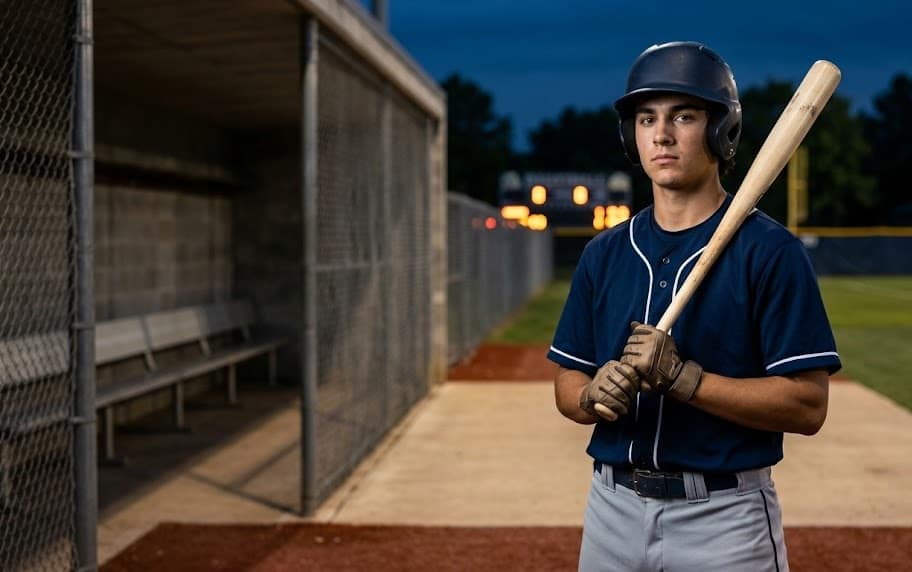
That spread matters. Texas is not producing draft interest from one metro area or one isolated private-school cluster. The map reaches from the Dallas-Fort Worth area to Houston, Central Texas, East Texas, West Texas, and coastal programs. It reflects a baseball culture where school programs, travel organizations, private instruction, strength development, and tournament exposure overlap.
A Texas player can now move from varsity baseball to major summer events to national rankings without leaving the state’s competitive ecosystem for long. That helps explain why a Texas-focused development site should treat the 2026 MLB Draft as more than a professional baseball event. It is a measuring stick for how the state’s youth baseball structure is being evaluated nationally.
The timing also matters for college programs. Several Texas high school players in national rankings are committed to major college programs such as Texas, Texas A&M, LSU, TCU, Baylor, Rice, Dallas Baptist, Texas Tech, Houston, and Texas State. The draft does not only decide which players sign professionally. It also shapes which college rosters hold together after July.
Why Showcases And Summer Events Are Driving The Conversation
The 2026 draft cycle has reinforced how much weight the showcase calendar carries for high school players. Perfect Game’s draft coverage has continued to track national events, mock draft movement, and player evaluations as the draft approaches. For Texas prospects, that means summer competition is no longer just a supplement to the high school season. It is part of the scouting record.
That creates a clearer path, but it also raises the standard. A Texas player with draft interest must prove that his tools translate against elite velocity, quality breaking balls, faster defensive actions, and deeper lineups. Showcase results are useful, but scouts still look for repeatable swings, body control, mound efficiency, defensive instincts, and how a player responds when the event environment speeds up.
This is where development programs become important. A player who wants to move from local standout to national prospect needs more than tournament entries. He needs a training plan that connects strength, mobility, skill work, game reps, recovery, and honest feedback.
That same idea connects naturally with Texas Magic Baseball’s own focus on Houston-area baseball development, where local high school roots can eventually show up on larger college and professional stages.
What The Draft Spotlight Means For Younger Texas Players
The 2026 MLB Draft should not make younger players chase rankings too early. It should help them understand what the next level values. The most important lesson from this class is that draft attention usually arrives after years of steady skill building, not after one viral weekend.
For hitters, that means controlling the strike zone, handling velocity, making defensive value part of the profile, and learning how to compete when scouts already know the name. For pitchers, it means throwing strikes with more than one pitch, holding velocity, improving movement profiles, and showing delivery repeatability.
Families should also understand the difference between attention and readiness. A player can be ranked, committed, scouted, and still face a difficult decision between signing and going to college. The draft is not only about talent. It is about leverage, bonus pools, signability, player development fit, and long-term planning.
That is why the 2026 cycle should be read as a development story instead of a hype story. Texas players are getting national visibility because the state gives them weather, competition, facilities, coaching access, and tournament density. The challenge is turning those advantages into balanced baseball growth.
The same attention that brings scouts to Texas also brings more outside noise. Families may follow rankings, mock drafts, NIL conversations, college commitments, and even broader fan markets such as Texas sports betting guides as baseball interest grows around the state. But for players, the useful focus stays simple: better at-bats, cleaner defense, stronger bodies, smarter pitch plans, and consistent competition.
How College Commitments Complicate The Draft Picture
Texas high school players in the 2026 class are not only being evaluated by MLB clubs. They are also tied to college programs that have built future roster plans around them. That tension is part of what makes the draft so important for Texas baseball.
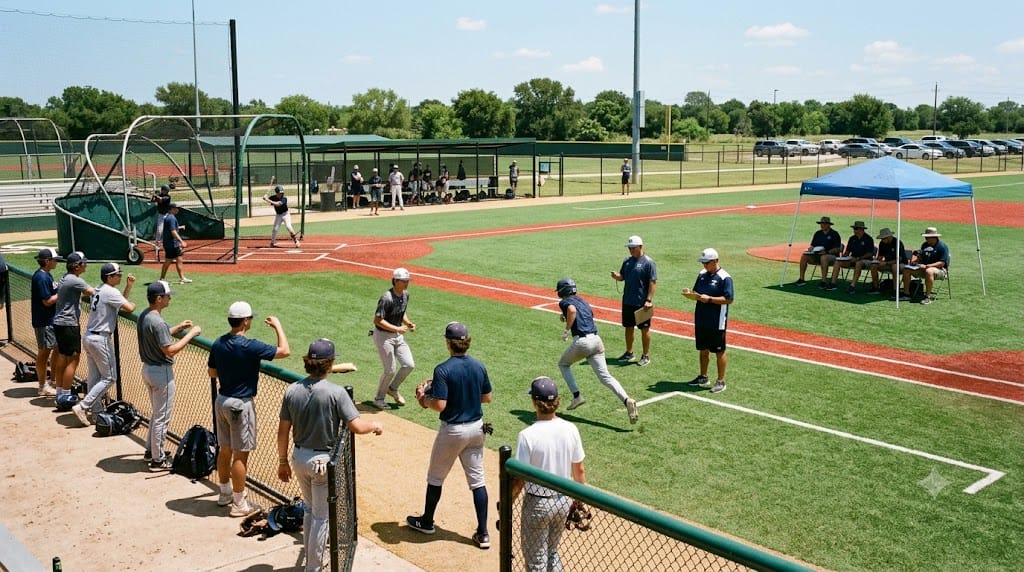
A player committed to Texas, Texas A&M, LSU, TCU, Baylor, Rice, Dallas Baptist, or Texas Tech may have two strong paths. Signing gives him a professional development track immediately. Going to college gives him access to strength programs, high-level coaching, bigger stadium environments, conference competition, and another draft window.
The decision often depends on where the player is selected, how much bonus pool money is available, whether the player has strong college leverage, and how clearly a club explains its development plan. For Texas programs, every draft-eligible high school player creates roster uncertainty until the signing deadline passes.
That uncertainty is part of the reason Texas high school baseball draws so much attention in July. A draft pick can change a professional organization. A non-signed player can change a college lineup. A late signing decision can reshape both.
Why Texas High School Baseball Is Being Judged As A System
The strongest takeaway from the 2026 draft cycle is that Texas is being evaluated as a system, not just as a collection of individual players. Scouts are watching how players are built, how often they face quality competition, how they perform away from home, and how their tools hold up against national peers.
That puts more value on coaching habits. Programs that teach defensive detail, baserunning awareness, pitch selection, throwing routines, and recovery discipline are helping players build profiles that last beyond one event. Programs that only chase velocity or exit velocity without game feel may create short bursts of attention, but not the complete evaluation scouts want.
For Texas Magic Baseball’s audience, this is the practical lesson. The 2026 MLB Draft is not only a scoreboard for who gets picked. It is feedback on how the state develops players. The more Texas prospects appear near the top of national boards, the more every younger player, coach, and family can study what those players did before the spotlight arrived.
What Texas Baseball Should Watch Before Draft Weekend
The final days before the 2026 MLB Draft will bring more mock drafts, ranking updates, signability questions, and late scouting notes. Grady Emerson gives Texas a potential first-round centerpiece, but the state’s deeper impact may come from how many players hear their names, how many choose college, and how many remain part of the state’s long-term development pipeline.
For younger Texas players, the best response is not to copy one prospect’s path. It is to understand the pattern. The players getting national attention usually combine athleticism, baseball skill, competition history, and steady improvement. They play in meaningful games. They train with purpose. They handle evaluation without letting it replace development.
That is why the 2026 MLB Draft feels bigger than a two-day event in Philadelphia. It is a national audit of Texas high school baseball’s depth, coaching, travel structure, and player development culture. If this class delivers the way the rankings suggest it can, Texas will not just have another strong draft year. It will have another proof point that the state remains one of the country’s most important baseball talent pipelines.