Welcome, coach! You’re likely focused on this season’s lineup and practices. That’s key. But let’s also talk about your lasting legacy.
A coach’s true impact isn’t just in wins. It’s in the lives you shape and the values you instill. This legacy goes beyond the final game.
Think of your former players as your program’s most valuable living resource. They bring experience, pride, and support back to the community.
So, how do you tap into this powerful force? This guide is your playbook. We’ll explore strategies for former player engagement that go beyond just collecting contacts.
Our goal is to turn past athletes into lifelong ambassadors. This creates a cycle of mentorship and pride for everyone.
Ultimately, this work is about community legacy building. It’s about creating a tradition of excellence where every player inspires the next.
The Value of Alumni Networks
A strong baseball alumni network is more than just a bonus. It’s a key asset that helps your program grow. It’s like having a permanent team of supporters. They bring experience, pride, and resources that can change your team’s future.
Alumni are the heart of any successful sports program. They don’t just remember their time playing. They carry it with them, making a big difference in development.
Your alumni network is more than a list of contacts. It’s a living community. They know your drills and believe in your coaching. They have a deep emotional investment in your program’s success.
First, you get direct wisdom from your alumni. They’ve faced all challenges. They know what coaching techniques work best. Their feedback is invaluable for improving your methods.
Second, the network provides real support. This can be equipment donations or help with field maintenance. Alumni often want to give back in practical ways.
Third, it boosts community pride. Seeing successful alumni cheering for your team lifts morale. It shows your players they’re part of something bigger.
It’s important to show the value of these relationships. You need to convince alumni and current team parents that investing is a win for all. Here’s a table showing the main benefits:
| Value Area | What It Means | Impact on Current Team | Impact on Alumni |
|---|---|---|---|
| Wisdom Pipeline | Real-world feedback on coaching, training, and team culture. | Better-prepared athletes, improved techniques. | Sense of purpose, continued connection to the game. |
| Tangible Support | Donations, volunteer labor, and resource sharing. | Enhanced facilities, better equipment, reduced costs. | Concrete way to contribute and see direct results. |
| Community Pride | Shared identity and legacy that spans generations. | Higher morale, stronger team identity, inspiration. | Renewed sense of belonging and accomplishment. |
| Networking Hub | Connections for internships, jobs, and life after baseball. | Clearer post-graduation pathways, reduced anxiety. | Opportunity to mentor and guide the next generation. |
Building a strong baseball alumni network turns past success into future fuel. It creates a cycle where everyone benefits. Your program gains stability and wisdom. Your alumni regain a meaningful connection. Your current players see their future standing right beside them, supporting them.
Start seeing your former players as permanent partners. Their value to your program is immense and waiting to be realized.
Tracking & Connecting Former Players
Imagine trying to invite guests to a party without knowing their addresses. That’s the exact challenge of former player engagement if you don’t have a system to track where everyone is. The good news? Building that system is simpler than you think, and it completely changes the game.
Feeling overwhelmed is normal, specially if you’re inheriting a program with years of history. Where do you even start? The key is to shift from seeing this as a massive record-keeping chore to viewing it as an ongoing, low-pressure relationship project. We’re not building a spreadsheet; we’re rebuilding a community.
Your first tool is a living “Alumni Roster.” This is more than a static list of names. It’s a dynamic database where you log contact info, career updates, college affiliations, and life milestones. Think of it as your program’s family tree, one you can actively nurture.
So, how do you fill and update this roster? A mix of methods works best, each with its own strengths. The table below breaks down the most effective approaches.
| Tracking Method | How It Works | Best For |
|---|---|---|
| Social Media Sleuthing | Respectfully search platforms like LinkedIn, Instagram, or Facebook. Look for graduation announcements, new job posts, or location updates. | Finding players who have recently moved or started new life chapters. It’s digital detective work with a friendly purpose! |
| Leveraging Parent Networks | Parents often stay connected long after their son graduates. A quick email to your team parent group can yield a dozen updated contacts. | Tapping into a built-in communication web. Parents are usually proud and happy to help keep their athlete connected. |
| “Where Are They Now?” Surveys | Send a simple, fun Google Form via email or social media. Ask for basic updates, career paths, and if they’re open to future contact. | Gathering information directly from alumni in their own words. It’s low-pressure and makes them feel valued. |
| Game Attendance Tracking | When you hear a former player is competing in college, note it! Attend their games if possible, or follow their stats online. | Showing active support and gathering specific athletic achievement data to celebrate later. |
The tone of your first outreach is key. Keep it warm and casual. A message like, “Hey, saw you graduated from State U.—huge congratulations! We’d love to update our records to stay in touch,” opens the door without pressure. This simple act of reconnection is the first step in former player engagement.
Once you’ve re-established contact, you can deepen the relationship. This is where the magic happens. You can attend their college games, provide recommendation letters for jobs or grad school, offer career advice, or celebrate life milestones like marriages and new children. These actions transform a name in a database into an active, valued member of your baseball family.
By implementing these tracking strategies, you stop seeing former players as lost contacts. You start seeing them as a vibrant, extended network waiting to be re-engaged. The bridge is easier to rebuild than you imagine, and it all begins with knowing where to find them.
Alumni Mentorship Opportunities
Imagine your star pitcher from five years ago sharing his secret grip with your current rookie. That’s the power of alumni mentorship. It connects your program’s past to its future, building a strong community legacy.
Formal mentorship systems create a reliable pipeline for knowledge. Experienced athletes guide younger team members. It’s not just about giving lectures. It’s about sharing skills, mindset, and culture.
Think of a former player hosting a video session to break down her championship-winning strategy. Or a recent graduate explaining how to manage college sports and engineering classes. These real-world insights are priceless.
We recommend setting up structured but flexible programs. This gives alumni clear ways to volunteer as mentors. Here are two popular models:
- Alumni Position Captain: A former linebacker “adopts” the current player in his position. They connect monthly to discuss technique, film, and mental preparation.
- Quarterly Pathway Chats: Small group video calls where alumni from various career paths talk with students. They answer questions about life after sports.
These programs show current players that their training has value far beyond the field. For alumni, it’s a deeply fulfilling way to give back and stay connected.
To help you choose the right format, here’s a comparison of common alumni mentorship structures:
| Program Type | Format | Best For | Alumni Time Commitment | Key Benefit |
|---|---|---|---|---|
| One-on-One Matching | Personalized, regular check-ins | Deep skill development & personal guidance | 2-4 hours per month | Builds strong, lasting individual relationships |
| Group Workshop | Live session with multiple players | Sharing broad career or life advice | 2-3 hours per quarter | Efficient knowledge sharing; creates peer connections |
| Virtual “Office Hours” | Alumni makes themselves available online | Flexible, on-demand Q&A | 1-2 hours per month | Low-barrier entry for busy alumni; highly accessible |
| Season-Long Project | Collaborative goal (e.g., film analysis) | Tangible outcomes and skill application | 3-5 hours per month | Drives measurable improvement and shared accomplishment |
Start by surveying your alumni. Ask what kind of guidance they wish they had received. Then, match that wisdom with your current team’s needs. This intentional connection is the engine of true community legacy building.
You’re not just managing a team. You’re cultivating a community where every generation lifts the next. That’s a legacy that lasts.
Guest Speaker & Clinic Programs
Ever thought about having former players lead a clinic? It’s a big step for former player engagement. These programs go beyond just reunions. They bring alumni back as experts to help your current team.
A guest speaker program is a great start. It brings an alum to team dinners or meetings. They share stories of resilience and success, inspiring everyone.
The alumni-led specialty clinic is where things get real. Imagine a hitting clinic by a college player or a sports psychology workshop by a licensed counselor. It’s hands-on and valuable.
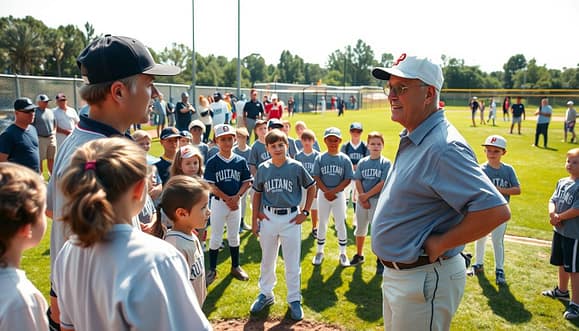
This approach works well for several reasons. It brings fresh voices to your team, making them listen more intently. For alumni, it’s a chance to be recognized as experts.
So, how do you convince former players to participate? Make it appealing. Tell them it’s a chance to give back. Be clear about the time needed, and most will be honored to help.
Here’s a simple plan for a clinic:
- Identify the Need: Ask your team what they need help with.
- Match the Alumni: Find alumni with the right skills.
- Co-Plan the Session: Work with the alum to plan the clinic.
- Promote & Execute: Tell the team about it and make sure everything is ready.
This approach turns passive former player engagement into active participation. Your program gets better, and your alumni community grows. It’s a win for everyone!
Scholarship & Award Programs
Scholarship and award programs are a lasting tribute that fuels dreams and tradition. They are the cornerstone of community legacy building. They turn your program’s history into tangible resources that change lives.
These programs serve a powerful dual purpose. They provide direct, life-changing support to athletes. This support can cover everything from equipment costs to college tuition. They also create a permanent, honorific link to your program’s past.
An award named for a beloved alumnus does more than recognize a player. It weaves that person’s story back into your team’s identity.
Move beyond generic “Best Player” trophies. Create awards that celebrate your program’s character and values. This makes your legacy specific and meaningful.
- Alumni Spirit Scholarship: Awarded to the player who best exemplifies teamwork, positivity, and dedication—qualities that build a strong team culture.
- Legacy Award: Recognizes families with multiple generations who have contributed to the program, strengthening those multi-generational ties.
- Leadership Growth Award: (Inspired by your data!) Honors an athlete who has shown exceptional personal and team leadership development throughout the season.
- Community Service Award: Celebrates a player who gives back to the local area, extending your program’s positive impact beyond the field.
Starting these programs is easier than you might think. You can begin with simple, funded awards for each season. These can be financed by a modest annual alumni donation drive. For a bigger impact, work towards establishing an endowed scholarship fund.
This is often spearheaded by a major gift from a successful alumnus. Others can contribute to grow the principal. The fund’s earnings then provide the award year after year, creating a perpetual source of support.
This process creates a powerful cycle. Alumni see their contributions have a direct, named impact. Current athletes are inspired by the standards these awards represent. Suddenly, your community legacy building isn’t an abstract idea—it’s a scholarship check, an engraved plaque, and a story that gets passed down. It shows everyone that dedication to this program is honored forever, encouraging new generations to strive for that same recognition.
Alumni Business Partnerships
Alumni business partnerships create lasting connections that help your athletic program and the local economy. Your alumni are not just former athletes. They are local business owners, dedicated professionals, and community leaders. This network is a valuable resource for community legacy building.
Think of it as a value-for-value exchange. Your program gets critical support and real-world expertise. In return, the alumni business gets local exposure and a chance to reinvest in their roots. This creates a cycle of mutual benefit that’s more sustainable than a simple transaction.
So, what do these partnerships look like in action? The possibilities are as diverse as your alumni base.
- An alum who owns a print shop could sponsor and produce your seasonal program guides or event banners.
- A former player, now a certified financial advisor, could sponsor a “Financial Literacy for Young Athletes” workshop series.
- A local restaurant owner who once wore your team’s colors might cater your annual awards banquet at a special rate.
Each scenario moves the relationship from “donor” to “collaborator.” You’re not just asking for money; you’re inviting them to be part of the team’s ongoing story with their unique skills. This approach strengthens the economic fabric of your program’s community, creating ties that are both professional and personal.
Getting started requires a shift in perspective. Begin by auditing your alumni list with a new lens. Look for business titles, company names, or known professional paths. The goal is to identify where an alum’s commercial offerings align with your program’s needs.
When you approach them, frame it as a collaboration. Instead of “We need a sponsor,” try “We have an opportunity that aligns perfectly with your business’s community focus.” Be prepared to articulate the tangible benefits for them: logo placement on high-visibility materials, mentions in social media shout-outs, or direct access to families in their target market.
Structure agreements that feel fair and transparent. Maybe it’s a service-for-recognition swap, a discounted rate, or a tiered sponsorship package. The key is that both parties see clear, equitable value. This professional respect turns a one-off deal into the foundation for a long-term alliance.
By nurturing these strategic alliances, you do more than fundraise. You build a robust network of community advocates invested in your success. This is the essence of building a legacy in the community—creating a self-reinforcing ecosystem where your athletic program and local businesses grow stronger together.
Social Media Alumni Groups
Your program’s legacy goes beyond the field, and social media groups are the perfect place to celebrate it. In today’s world, a strong baseball alumni network needs a digital home. It’s not about replacing in-person events. It’s about a space for your team family to connect, share, and stay updated all year.
Imagine a private Facebook or LinkedIn group as your team’s watercooler. It’s where connections are made naturally. A 2005 pitcher can give career advice to a recent grad. Teammates from different eras can bond over old photos. This interaction turns a list of contacts into a real community.
To succeed, keep the group active and welcoming. An empty group feels abandoned. We want it lively! The goal is to keep your program in alumni minds with little effort from you. Just spark conversations they’ll want to join.
Here are some ideas to boost engagement:
- Interactive Polls: “Best team bus memory?” or “Greatest game-winning hit in program history?”
- Alumni Spotlights: Share quick profiles of former players, celebrating their achievements.
- Live Streams: Broadcast big games or host a live Q&A with a coach, creating a shared experience.
- Job & Opportunity Posts: Let alumni post job openings or career leads, helping each other professionally.
This approach makes your social media group a low-effort, high-engagement engine. It adds a dynamic layer to your program’s tools like newsletters and websites. The sense of belonging you build here goes beyond location and graduation year. Your baseball alumni network becomes a daily, lively conversation that strengthens your program’s family ties every day.
Annual Alumni Events
Imagine a date that your former players look forward to every year. That’s what a great annual event can do. These events are more than just parties. They turn names into faces and stories.
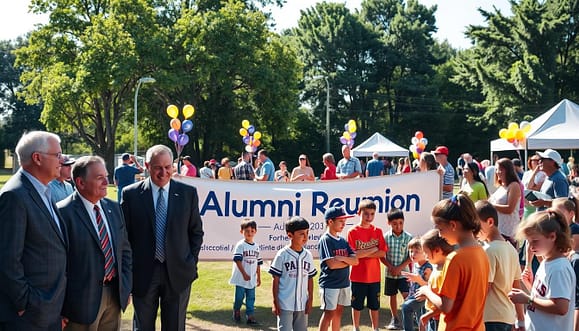
While emails and social media keep in touch, nothing beats a live event. Annual events are the cornerstone of sustained former player engagement. They give alumni a reason to come back, reconnect, and see how the program has grown.
You might know the usual events like the Alumni Game or Alumni Day at the ballpark. These are good starts! But to really grab your network, think outside the box. How about an “Alumni vs. Parents” softball cookout? Or a “Legacy Breakfast” before a big game? The goal is to create a tradition that everyone looks forward to.
To spark ideas, here’s a look at different event types for your annual calendar:
| Event Type | Key Focus | Best For | Engagement Impact |
|---|---|---|---|
| Alumni Game & BBQ | Nostalgic competition & casual socializing | Programs with large, sport-focused alumni bases | High – direct participation reignites team bonds |
| Legacy Recognition Ceremony | Honoring specific achievements & inductees | Building prestige and formal tradition | Moderate-High – makes alumni feel valued publicly |
| Family Cookout & Clinic | Multi-generational community & skill-sharing | Engaging alumni with young families | High – expands connection beyond the individual |
| Season Kickoff Breakfast | Networking & inspiring the current team | Smaller, more intimate programs | Moderate – focuses on mentorship and connection |
Our top tip? Start small and dream big. Your first event doesn’t need to be huge. A simple post-game pizza party is a great beginning. Focus on creating experiences filled with nostalgia and friendship. Let alumni relive their glory days and enjoy each other’s company.
Consistency is key. Make your event a yearly tradition. Alumni will look forward to it. This regularity turns casual attendees into dedicated community members. It shows you’re committed to them for the long haul, strengthening their bond with the program.
Strong former player engagement comes from real-world moments. Annual events give alumni a place to return to. They celebrate past victories, create new memories, and keep the program’s legacy alive. Start planning that special day—it will become the highlight of your community’s year.
Success Story Documentation
A “Where Are They Now?” feature does more than update a roster; it builds a bridge between your program’s past and its future. This active documentation turns scattered achievements into a cohesive story of impact. It’s the most powerful tool you have for community legacy building.
Think of it as your program’s living resume. Sharing that an alum earned a promotion, launched a business, or volunteers weekly isn’t bragging. It’s proof of concept. It shows your community that your program develops talent for life, not just for the season.
This practice delivers a double win. First, it directly fuels former player engagement. Everyone likes to be recognized. Featuring an alum’s story makes them feel seen and valued, strengthening their emotional tie to your program. It tells them they are important.
Second, it cements your program’s long-term narrative. These documented successes become the chapters of your legacy. They provide tangible evidence of your program’s positive influence, far beyond wins and losses. This narrative is essential for sustained community legacy building.
For your current athletes, these stories are a gallery of real-life role models. It’s one thing to talk about future possibilities. It’s another for a player to read about someone who sat in their same locker and is now a successful engineer, teacher, or entrepreneur. That connection inspires in a way generic advice never could.
So, how do you build a simple system for this? You don’t need a fancy platform. Start by dedicating spaces where these stories live.
- A “Legacy Spotlight” on your website: A simple, updated page with photos and short bios.
- Featured segments in your newsletter: Highlight one alum per edition with their update.
- Social media shout-outs: A weekly “Alum Achievement Wednesday” post can work wonders.
Make it easy for people to submit stories. An annual “Alumni Update” survey or a simple nomination form on your website removes the guesswork. This systematizes your former player engagement and ensures a steady stream of content.
By intentionally documenting these journeys, you do more than archive facts. You transform individual accomplishments into a source of collective inspiration and pride. You build a legacy, one story at a time.
Career Pathway Showcasing
Current players often wonder “where can this lead?” Your alumni network has the best answers. This question is key to understanding your program’s value. Career pathway showing is your smart answer. It shifts focus from games to lasting success.
Your former players show how skills like discipline and teamwork last a lifetime. A player who managed time well now runs a business. A teammate who spoke up on the field now leads a classroom or a construction team.
To build former player engagement, start with an alumni career panel. Invite people from different fields like engineering, teaching, art, and trades. Let them share their stories. This makes skills real for current players who see people who were once in their shoes.
Then, create an online directory by career field. This lets players explore and connect at their own speed. Maybe a student interested in healthcare finds an alumni nurse or doctor. This resource keeps giving value and strengthens your network.
This effort is great for everyone. It gives current families peace of mind and a future vision. For alumni, it’s a way to give back using their whole life experience. It shows you value the whole person.
This initiative shows your program builds people, not just players. It fits perfectly with our mission to build community through. You’re not just coaching for a season; you’re launching futures. By showing these paths, you help every player see their own successful journey.
Giving Back Programs
Giving back programs turn your alumni into a force for good. They show the true character of your program, going beyond sports to make a difference.
These programs do two great things. They meet real local needs and give your baseball alumni network a shared purpose. Working together on projects strengthens the “family” bond more than just watching games.
Choosing the right cause is key. Look at what your community and alumni care about. Maybe a local youth league needs new equipment or a nearby shelter needs help during the holidays.
Your alumni have many talents to offer. The goal is to match those skills with community needs. Not everyone can donate money, but many can help in other ways.
| Program Type | How It Works | Ideal for Alumni Who… |
|---|---|---|
| Skill-Based Service | Alumni use their skills for community projects, like fixing a ballfield. | Are hands-on, have specific trades, or enjoy teaching physical skills. |
| Fundraising & Donation Drives | Organizing campaigns to collect funds, equipment, or food. This could be for new dugouts or a holiday toy drive. | Are great at promotion, have business connections, or excel at logistics. |
| Direct Mentorship | Alumni are paired with local youth, using baseball to teach life lessons and teamwork. | Are patient, good communicators, and want to guide the next generation. |
| Community Event Volunteering | Alumni groups volunteer at events, like a 5K race or park clean-up. | Prefer a one-day commitment and enjoy team-based activities. |
Success comes from making it easy and rewarding. A one-day event with a BBQ can get more people involved than a long-term commitment. It’s important to clearly communicate the time needed and the impact made.
By focusing on service, you build a legacy bigger than any trophy. This legacy shows the community, current players, and alumni what your program stands for.
Multi-Generational Community Building
All your hard work comes together here. Your goal is to make your baseball alumni network a key part of your program. This effort builds a lasting community legacy.
Create traditions that last forever. An annual alumni game or a family picnic brings players from all eras together. Stories from the 80s inspire today’s players. These shared moments create strong bonds across generations.
Your engaged alumni are your program’s ambassadors. They carry your legacy with them every day. Imagine a former player coaching his son on your team. He can share wisdom from his own teammates.
This support strengthens everyone involved. Your baseball alumni network grows richer with each year. It means no one ever really leaves; they become part of a bigger story.
Make these connections meaningful. Pair recent graduates with current seniors for mentorship. Celebrate family histories during team ceremonies. Ask alumni from all eras to share their time and knowledge. When you build this way, your program’s culture becomes unbreakable. It creates a circle of support, pride, and belonging, much like the timeless lessons found in classic baseball literature, which emphasize teamwork, loyalty, and the spirit of the game. Your baseball family becomes a true home for every generation.