Welcome! We’re glad you’re here. Running a youth sports program is a team effort. Your helpers are the heart of that team.
Coordinating your supporters is like the “invisible game” off the field. It’s as strategic as any playbook. This work is not just nice to have.
It’s the key to a thriving, sustainable league. Why is it so important? Organizations like American Legion Baseball have thrived for 97 years on this foundation.
Their success comes from coaches, managers, Legionnaires, parents, and sponsors. Their manual’s opening letter highlights this teamwork. It aims to give everyone the tools to succeed.
We want to give you that confidence and a practical guide. Let’s build your own team of dedicated people. Together, we can make a positive impact on young athletes in your community.
Building a Volunteer Culture
Creating a strong volunteer culture is simple yet powerful. Treat everyone with dignity and respect. This is the foundation for your volunteer management baseball program to grow.
We’re talking about making a place where every volunteer feels valued and heard. It’s not just about being nice. It’s about leading with the highest standards. The American Legion Coaching Ethics Code is a great guide.
Let’s look at three key principles from the code:
Respect for Participants’ Dignity. Recognize the worth of every volunteer. Greet them by name and listen to their ideas. When volunteers feel respected, they invest more.
Concern for Others’ Welfare. Go beyond the task. Check in on volunteers’ well-being. Showing genuine care builds loyalty and a supportive network.
Responsible Coaching. As a leader, you set the tone. Your actions and words are contagious. Modeling fairness and integrity is powerful, like when building a mentorship program.
To make these principles real, start by living them yourself. Welcome new faces warmly. Celebrate small wins. Address issues with empathy.
Next, create an inclusive space. Make sure everyone feels safe. Use language that unites everyone.
This positive culture attracts and keeps volunteers. They feel connected to a bigger mission. They become ambassadors, bringing in more helpers.
A thriving culture makes volunteer management easier. Scheduling conflicts decrease. Communication flows better. Training is more effective.
That “we’re all in this together” vibe starts today. Make every interaction count.
Recruitment Strategies & Timing
Recruiting volunteers is like finding talent. You need the right strategy and timing to attract the best. It’s not just about filling spots, but building a community of dedicated people. Be proactive and strategic, not desperate!
A good recruitment plan has two main parts: a compelling message and the right timing.
Crafting the Compelling “Ask”
Your first message sets the tone. Don’t just say “We need help!” Instead, talk about the impact they can make. For example, “Help us create a safe and fun environment where every player thrives” is more engaging than “Volunteers needed for Saturday.”
This approach focuses on shared goals. It attracts those who want to contribute, not just do a task. Clearly stating your vision helps you find passionate and committed people.
Be ethical in your outreach, just like a coach. Be open about what the role requires and what it offers. Assess if a volunteer fits your group’s values and culture. This creates a stronger, more united volunteer roster.
Timing is key in recruiting volunteers. Match your big recruitment drives with community rhythms. People are more open to new commitments during times of change or renewal.
For example, late summer is a great time as families reset their schedules. The New Year is also a prime time for resolutions. For sports leagues, the start of the season is critical.
By aligning your recruitment with these times, you meet people when they’re ready for new activities. This boosts your response rate.
Where to Find Your Team
Knowing where to look is important. Use a multi-channel approach. Different channels attract different types of team volunteers.
Personal networks are powerful. Current volunteers and participants are great ambassadors. Encourage them to spread the word to friends and family who share your values. This often brings in the most reliable volunteers.
Community boards, both online and physical, are also valuable. Look at local Facebook groups, Nextdoor, library bulletin boards, and community centers. For more insights, check out these effective strategies for recruiting volunteer coaches, which can be adapted for any volunteer role.
| Recruitment Channel | Best For | Ideal Timing | Key Consideration |
|---|---|---|---|
| Personal Networks & Referrals | Finding reliable, vetted individuals who already understand your culture. | Ongoing; specially effective during season planning. | Leverage existing relationships for warm introductions. |
| Social Media & Community Groups | Reaching a broad local audience and attracting new faces. | Align with community rhythms (e.g., New Year, back-to-school). | Use visual posts and clear calls-to-action highlighting impact. |
| Local Business & Corporate Partnerships | Securing skill-based volunteers or group support. | Start discussions quarterly, well before big events or seasons. | Focus on mutual benefit and community engagement for the business. |
| Direct Outreach at Community Events | Making personal connections and signing people up on the spot. | During fairs, festivals, and other high-attendance local gatherings. | Have a concise pitch and easy sign-up method ready (e.g., QR code). |
Adopting a Coach’s Recruiting Mindset
Take a page from a coach’s playbook. Great coaches look for character, fit, and shared values, not just skill. Apply this to your volunteer recruitment.
Listen for what motivates the person. Do they value teamwork? Are they passionate about youth development? Do they seek personal growth? This helps you place them in roles where they—and your organization—will thrive.
This mindset turns recruitment into a relationship-building process. You’re not just filling a slot; you’re welcoming a new member to your team. When you get the strategy and timing right, you build a deep bench of enthusiastic team volunteers ready to give their best.
Role Definition & Responsibilities
Ever show up to help, only to be told “just pitch in wherever”? That’s a huge turn-off. For youth sports volunteers, not knowing their role is like being sent onto the field without a position.
The solution is simple. Start with a one-page “position description” for each key role. Think Assistant Coach, Team Parent, or Snack Coordinator. This document is not just paperwork. It’s a roadmap for success for your volunteers.
Clear roles do three great things. They give people confidence. They help them succeed in their role. Most importantly, they show respect for their time and effort. This clarity is also an ethical responsibility. It means clarifying their roles and obligations from the start.
So, what makes a great position description? It uses ideas from professional coaching ethics, like understanding boundaries of competence. This means tasks match a person’s skills. Here’s a template for any volunteer role.
| Role Component | Description | Why It Matters (Ethical Link) |
|---|---|---|
| Role Title | A clear name like “Fundraising Lead” or “Equipment Manager.” | Immediately defines the scope and sets professional expectations. |
| Key Tasks | 3-5 primary duties. Be specific (e.g., “Distribute weekly email updates to parents”). | Prevents ambiguity and focuses effort. This is the core of role clarification. |
| Time Commitment | Estimate hours per week or month, including game days and prep. | Shows respect for personal time and allows for informed commitment. |
| Required Skills / Boundaries | List needed skills (e.g., “Basic first-aid certification,” “Organized communicator”). | Ensures volunteers work within their boundaries of competence for safety and quality. |
| Reports To | Name the main point of contact (e.g., Head Coach, Volunteer Coordinator). | Creates a clear support structure and defines the chain of communication. |
By using this tool, you move from hoping volunteers figure it out to knowing they will succeed. You turn willing helpers into confident, effective team members. This is how you build a strong, reliable foundation for your youth sports volunteers.
Training & Orientation Programs
Just as a coach wouldn’t send a player to the plate without proper instruction, you can’t expect volunteers to thrive without clear guidance and support. A robust training program is your investment in their confidence and the league’s smooth operation. It’s like the essential playbook that turns good intentions into effective action.
Your volunteers’ first day is a critical moment. A well-structured orientation welcomes them into the team and immediately equips them to contribute. This “Volunteer First Day” should be engaging, not a boring lecture. It’s your chance to share the league’s heart and soul.
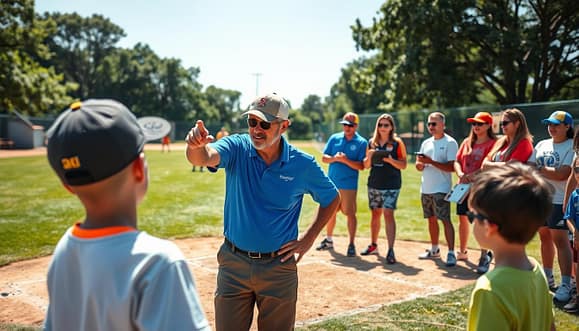
What should this first day cover? Start with your league’s philosophy and mission. Why does this community program exist? Next, cover non-negotiable safety basics. Show them where to find first-aid kits and explain emergency procedures.
Then, map out your communication channels. Who do they report to? How does the schedule get updated? Show them where to find help. Point out veteran volunteers and staff who can answer questions.
This approach aligns perfectly with established volunteer management baseball principles. The manual’s “Training supervision” section emphasizes accurate and objective coaching. For volunteers, this means trainers must provide clear, correct information and model the behaviors they expect. Honoring your training commitments builds immense trust.
The “Design of training programs” section offers further guidance. Effective sessions are practical and hands-on. Instead of just talking about setting up a field, have volunteers do it. Role-play common situations, like interacting with a concerned parent.
Great volunteer training also acknowledges that learning never stops. The concept of “Maintaining expertise” highlights the need for ongoing education. Consider hosting mid-season refresher workshops or sharing quick tip sheets via email. This shows your team you are invested in their long-term growth.
Your goal is to create a program that is both informative and empowering. When volunteers leave orientation, they should feel like capable members of the team. They should know the rules, understand their role, and feel confident asking questions. This foundation is what allows your volunteer management baseball system to succeed season after season.
Remember, a strong start leads to a strong finish. By dedicating time to a thoughtful training and orientation program, you build a reliable, skilled volunteer corps. They become your greatest asset on and off the field.
Scheduling & Communication Systems
Imagine trying to organize a symphony without a conductor. That’s what managing volunteer schedules without systems feels like. The music, or in our case, the mission, gets lost in the noise. For your team volunteers to perform well, they need a clear beat to follow. This beat comes from reliable scheduling and communication systems.
Juggling dozens of availabilities can overwhelm even the most organized leader. The fix isn’t working harder; it’s working smarter with the right tools. We’re going to build your league’s information playbook, so everyone knows the game plan.
A foundational concept is establishing a clear chain of command. Think of it as your team’s organizational map. Who do volunteers report to? Who makes the final call on schedule changes? Reference the “Chain of Command” diagram in your manual’s resources. This visual structure is vital. It shows every team volunteer where they fit and who to contact for specific issues. This clarity prevents messages from getting lost in a game of telephone.
Let’s start with the cornerstone: scheduling. Your goal is a single, shared source of truth for who needs to be where and when.
- Shared Online Calendars: Tools like Google Calendar or TeamUp are perfect. Create a calendar for your volunteer program, share it with the whole team, and color-code different roles or events. Volunteers can check it anytime from their phone.
- Sign-Up Genius or VolunteerLocal: These platforms let you post shifts or tasks. Your team volunteers can then sign up for what fits their schedule. It’s self-service and reduces back-and-forth emails dramatically.
- The Golden Rule: Pick one system and use it consistently. Having schedules in three different places creates confusion, not coordination.
Next, we tackle communication. This is how you keep the energy high and information flowing between scheduled shifts.
Group messaging apps like Slack or WhatsApp create a virtual clubhouse. You can have a channel for general announcements, another for urgent schedule changes, and even one for fun social chatter. The key is setting guidelines. What channel is for what? When is it appropriate to message?
For less immediate but equally important updates, a weekly email digest works wonders. Summarize the week’s accomplishments, preview the coming week’s schedule, and share a volunteer spotlight. This makes every member of your volunteer team feel informed and valued, even if they weren’t on shift that week.
How do these systems work together? The chain of command defines who sends updates. That person posts schedule changes to the shared calendar and announces it in the “urgent updates” chat channel. The weekly email then recaps all changes. This multi-layered approach ensures no one misses critical information.
The benefits are tremendous. Mix-ups about shift times vanish. Your administrative stress plummets because you’re not constantly answering “When do I work?” texts. Most importantly, your team volunteers feel coordinated, respected, and part of a well-oiled machine. They spend their energy on the mission, not on figuring out logistics.
Start simple. You don’t need every tool at once. Choose a calendar and one communication method. Introduce them to your crew with a quick tutorial. Be patient as everyone adapts. Soon, you’ll wonder how you ever managed without these systems!
Remember, these systems aren’t about creating bureaucracy. They’re about removing barriers. When your team volunteers have clarity, they can focus on what they do best: making a difference. Let’s get your team’s symphony playing in perfect harmony.
Recognition & Appreciation Programs
A simple “thank you” is nice, but a structured program shows your youth sports volunteers they’re valued. It’s more than just saying thanks. It’s what turns casual helpers into a passionate team.
Look at successful groups. Many start with a heartfelt thank-you letter. Like the American Legion’s: “Our heartfelt appreciation goes out to all of the coaches, managers, Legionnaires, parents and sponsors for their continuing support.” This sets a tone of gratitude from the start.
Your volunteers give their time, and that’s precious. Showing you value their effort boosts their engagement. They become your program’s biggest supporters.
Great appreciation doesn’t need a big budget. It needs creativity and consistency. A “Volunteer of the Week” on social media or a handwritten note from players can mean a lot. These personal touches often mean more than a trophy.
Let’s look at different recognition ideas. The table below shows various methods by their impact and effort needed.
| Recognition Idea | Primary Impact | Cost/Effort Level |
|---|---|---|
| Personalized Thank-You Note (from athletes) | High Emotional Value, Personal Connection | Low Cost, Medium Effort |
| Social Media “Shout-Out” | Public Acknowledgment, Community Pride | Zero Cost, Low Effort |
| Volunteer Appreciation Breakfast or BBQ | Team Building, Shared Celebration | Medium Cost, High Effort |
| Certificate of Appreciation | Formal Recognition, Tangible Keepsake | Low Cost, Low Effort |
| Feature in Program Newsletter | Highlighting Contribution, Storytelling | Zero Cost, Medium Effort |
Try to spread these gestures throughout the season. Don’t wait for the final banquet. A mid-season coffee gift card or a thank-you during a meeting keeps spirits high. This builds a lasting culture of gratitude.
By making appreciation a regular part of your program, you do more than fill roles. You turn dedicated coaches and parents into lifelong supporters. Their felt value is your most powerful tool for keeping them involved.
Retention Strategies for Long-term Volunteers
Building a loyal volunteer team is like growing a garden. It needs care, the right place, and room to grow. In volunteer management baseball, your returning volunteers are priceless. They bring stability, knowledge, and a positive vibe for newbies.
Keeping volunteers is an ongoing effort. It’s about giving them reasons to stay year after year. What keeps you in a job you love? Challenge, growth, and friendship. We can apply these to our volunteers too.
Start by helping volunteers grow. A person who starts by cleaning the field might excel in coaching or managing the scorebook. Giving them new roles keeps them engaged and valued.
Also, check in regularly. A simple chat or email can show if someone is struggling or needs a break. This helps prevent burnout and keeps them feeling valued.
Listening to their experiences is key. It lets you fix small problems before they get big. This shows you care about them as a person, not just a volunteer.
Offering more responsibilities is another strategy. Your most dedicated volunteers want to do more. Maybe they can mentor newcomers or lead a committee.
These roles give them challenge and respect. They turn volunteering into a meaningful community role.
Don’t forget the importance of friendship. Organize events to bring volunteers together. When they make friends, they stay longer.
By focusing on growth, communication, leadership, and friendship, you create a great environment. This approach builds a strong team that comes back year after year.
They become the backbone of your league. Mastering volunteer management baseball turns seasonal help into a lasting force for good. Your program will thrive for many seasons.
Background Checks & Safety Protocols
Creating a safe space for youth starts with vetting every adult. This isn’t about doubting your team volunteers. It’s about building trust around your program. The manual says, “Background checks are a necessary part of the overall risk-management process for any youth sports organization.”
Think of it as the most important safety equipment. It protects kids, your organization, and volunteers.
Why is this so important? Your commitment must be clear. Parents trust you with their most precious responsibility. By doing thorough background checks and safety protocols, you show you’re serious. This turns worry into confidence.
To build this system, start with a reliable screening partner. Choose a service that specializes in youth organizations. The American Legion’s guidelines are a great model to follow.

Once you’ve picked your service, communicate clearly. Explain the background check requirement to team volunteers in a positive way. Say it’s a standard for everyone working with youth, protecting them and the children.
A check is just one layer of defense. True safety comes from multiple protocols working together. Pair your screening with other essential measures:
- First-Aid & CPR Training: Ensure key volunteers are certified. It’s a practical skill that empowers your team.
- Clear Emergency Action Plans: Everyone should know what to do and who to contact if an incident occurs.
- Two-Adult Rule: A simple policy where no adult is ever alone with a child minimizes risk and misunderstandings.
- Open-Door Policy: Encourage parents to observe and participate, fostering a community of transparency.
This integrated approach does more than just tick a box for risk-management. It creates a secure environment where children can thrive and volunteers can focus on coaching and mentoring. It shows your team volunteers that you value their safety and professionalism. Most importantly, it gives parents peace of mind, knowing their child is in capable hands.
By standardizing these procedures, you elevate your entire organization. You move from hoping for the best to actively ensuring it. This commitment to thorough background checks and layered safety protocols is the hallmark of a mature, responsible, and excellent youth sports program. Your team volunteers are your greatest asset—protecting them starts with protecting everyone.
Managing Volunteer Conflicts
Disagreements among volunteers are common in any team, but in youth sports, how you handle them matters a lot. When two dedicated youth sports volunteers disagree, it’s a chance to show leadership, not a problem to fear.
Your goal isn’t to stop every disagreement. That’s not possible! Instead, focus on creating a fair, calm way to solve problems. This approach builds trust and shows your volunteers that you lead with integrity.
Think of yourself as a mediator, not a judge. You’re not there to blame anyone. You’re there to help everyone feel heard and to focus on what’s best for the team.
Let’s look at a simple, effective way to mediate. It’s based on proven methods and works well for your team.
- Listen First, Objectively. Meet with each person separately, in a private space. Your job is to understand their view. Ask open-ended questions like, “Can you help me understand what happened from your point of view?” Avoid taking sides or making judgments. Just listen and take notes.
- Facilitate a Joint Conversation. After hearing both sides, bring the volunteers together. Set rules: one person speaks at a time, no interrupting, and we focus on the issue, not personal attacks. You guide this conversation.
- Find Common Ground. Highlight the shared goal you all have: supporting the kids and the team. Often, conflicts arise from different methods to achieve the same good intention. Pointing this out builds a bridge. Say, “It sounds like you both want the drill to be effective and safe. Let’s figure out how to make that happen.”
- Agree on a Solution. Guide the conversation toward a specific, actionable agreement. Ask, “What is one thing each of you can do moving forward to prevent this?” Write it down. This could be a new communication method, a clarified role, or a simple handshake agreement.
- Follow Up. Don’t let the agreement vanish. Check in individually a week or two later. A quick, “How have things been going?” shows you care about the resolution, not just the meeting. It also prevents small issues from festering.
What if an informal chat doesn’t work? Sometimes, a conflict involves a serious breach of policy or safety. This is where a formal reporting step is key. Have a clear, confidential channel for volunteers to report significant issues. Protecting everyone’s safety and well-being is your top priority.
Handling conflicts well does more than just solve a problem. It builds immense trust. Your youth sports volunteers will see that challenges are met with fairness and respect. You model the very behavior you want the young athletes to learn: how to resolve differences with character.
A team where people can disagree constructively is often stronger than one where problems are swept under the rug. Your calm, process-driven approach ensures that every volunteer—and every player—feels valued and heard.
Special Event Volunteer Coordination
Think of special event volunteer management baseball as a short-term, high-intensity project. It needs its own dedicated playbook. Tournaments, opening ceremonies, and picture day are the season’s highlights. They create fantastic memories but operate on a completely different timeline and energy level than weekly games.
Your regular season system is built for consistency. A special event is a sprint. It needs a project manager’s touch. The key to success is recognizing this difference and planning from the start.
The first critical step is appointing a dedicated Event Coordinator. This person is the quarterback for the big day. They own the master plan, communicate with all sub-teams, and make final calls. This focus prevents your regular volunteer leads from being overwhelmed.
To understand the shift in approach, let’s compare the needs of a regular game day versus a major event. This shows why a separate strategy is non-negotiable.
| Aspect | Regular Season Game | Special Event (e.g., Tournament) |
|---|---|---|
| Volunteer Scope | Familiar, recurring roles (concession, scorekeeping). | Expanded, one-time roles (set-up, guest check-in, awards). |
| Planning Horizon | Weekly schedule, routine communication. | Months in advance, detailed minute-by-minute timelines. |
| Risk & Contingency | Standard safety protocols for the field. | High-level planning for weather, crowd flow, and vendor logistics. |
With a coordinator in place, your planning has three clear phases. First, create a separate volunteer sign-up just for the event. This avoids confusion with the regular schedule. Be hyper-specific in role descriptions here. People need to know exactly what “Tournament Set-Up Crew” entails.
Second, hold a mandatory Pre-Event Briefing. This isn’t a standard orientation. It’s a tactical walk-through. Gather your team at the venue, if possible. Walk the route for the concession stand supply line. Point out where the first aid station will be. This visual run-through eliminates a huge amount of day-of confusion.
Lastly, build your contingency plans. This is where the emergency preparedness mindset from field safety directly applies. What is the rain plan? Who covers a critical role if a volunteer doesn’t show? Having clear, written answers to these “what-ifs” is what separates a good event from a great one. It’s not just about facilities safety, but operational safety.
Logistics are king. Map out parking for volunteers. Pre-pack their welcome kits with schedules, contact info, and any special passes. The smoother you make their experience, the more engaged and positive they will be.
Great coordination doesn’t just ensure the event runs on time. It makes the day fun and rewarding for the volunteers themselves. When roles are clear, support is present, and plans are solid, your volunteers become proud ambassadors for your league. They’ll be the first to sign up next year.
By treating your big day as a unique project, you apply the best principles of volunteer management baseball to your most visible moments. You prepare for pressure, empower a leader, and plan for every scenario. The result is an unforgettable experience for players, families, and the volunteers who make it all possible.
Creating Leadership Opportunities
Imagine turning your team volunteers into leaders. This strengthens your organization for years. Your most engaged helpers are your greatest asset for future stability.
By creating clear paths for them to grow, you build a strong “leadership bench.” This ensures your program never misses a beat.
Why focus on leadership? It’s simple. Volunteers who see a future in your group are more likely to stay. They move from helping with a single task to owning a piece of the mission.
This transforms your management role from constantly recruiting to nurturing talent.
Think of it like a roadmap for growth. Many successful organizations use frameworks like a “Pyramid of Achievement” or a clear “Chain of Command.” These aren’t about creating bureaucracy. They are visual guides that show volunteers how they can advance, step by step.
Let’s break down these two concepts. They work together to provide both a vision for the individual and a structure for the team.
| Framework | Focus | Benefit for Volunteers |
|---|---|---|
| Pyramid of Achievement | Individual growth and skill mastery. | Provides clear, attainable milestones and a sense of personal progression. |
| Chain of Command | Organizational structure and reporting lines. | Clarifies responsibilities, shows who to report to, and defines leadership roles. |
So, how do you spot a future leader? Look for volunteers who already act like owners. They’re the ones who show up early, solve problems without being asked, and naturally mentor newer helpers.
They have initiative and reliability—the two pillars of great leadership.
Once identified, you can groom them for specific roles. Here are a few powerful positions that empower volunteers and share the workload:
- Volunteer Coordinator: Manages the schedule and communications for a subgroup.
- Age Group Director: Oversees all activities and coaches for a specific division.
- Mentor Coach: Guides new volunteers through their first season.
- Event Lead: Takes full responsibility for planning and executing a specific fundraiser or tournament.
The key is to pair the title with real responsibility and mentorship. Don’t just give them a job—give them a project with autonomy and be their sounding board. This shows trust and invests in their success.
This approach does more than fill roles; it builds an empowered community. Your program becomes a place where people grow, not just give hours. This philosophy of cultivating leaders is powerful, whether you’re running a local league or developing leadership skills on the field. Start looking at your dedicated team volunteers not as helpers, but as your organization’s promising future.
Technology Tools for Volunteer Management
Technology is your MVP for managing volunteers in youth sports. The right digital tools can change the game. They make administrative work simple and automated.
Platforms like SignUpGenius or TeamSnap handle online registration. They send reminders for games and practices automatically. Google Workspace or Dropbox keep waivers and training documents safe. These tools help your league work better.
This isn’t about losing the human touch. It’s about making it easy for people to help out. Good software makes saying “yes” to volunteering effortless.
Choose tools that fit your league’s size and budget. Many are affordable or free. Start with one key function, like scheduling or communication. See how much time you save.
Using these tools is the last step to a modern, efficient program. It lets you focus on coaching and building community. It makes supporting volunteers easier for everyone, much like the lessons found in classic baseball literature, which provide timeless guidance on organization, leadership, and teamwork.