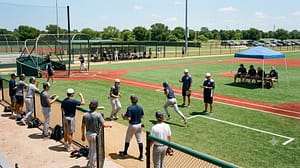
So, you’ve decided to step into the world of youth sports, ready to inspire the next generation. But hold on! Before you can don that metaphorical cap and whistle, there’s a bureaucratic marathon waiting for you. Yes, we’re talking about background checks in Texas—a necessity, not just a suggestion.
The YMCA of Northwest North Carolina mandates that all who wish to guide young athletes complete thorough background checks and undergo child abuse prevention training. This includes the Safe Sport Act, which emphasizes mandatory reporting. It’s a bit like preparing for a game, but instead of drills, you’re tackling forms and eLearning courses.
In Tennessee, the law is equally stringent. According to §49-5-413, all coaches, whether paid or volunteering, must submit to background checks and fingerprinting. You might think this is just red tape, but it’s the foundation of trust in youth sports. After all, what’s more important than ensuring the safety of the kids you’re mentoring?
Don’t worry; I’ll guide you through this process with a dash of humor. From navigating the online courses—yes, even the one on “positive competition”—to understanding the implications of the Child Abuse Prevention Policy, we’ll make sense of it all. By the end, you’ll be equipped, trained, and ready to step onto that field with confidence.
Non negotiables safety heat lightning hydration field checks
Safety is not just a checkbox; it’s the base of a great coaching experience. In youth sports, safety should be a top priority. The right steps can make a season great or a headline you don’t want.
Let’s look at the key areas: heat, lightning, staying hydrated, and field checks. These are must-haves. The Tennessee heat illness prevention mandate shows how important it is. Coaches must learn to spot heat-related illnesses. Remember, Tennessee’s heat doesn’t take a break for your practice!
The YMCA’s concussion policy is clear: “When in doubt, sit them out.” It’s not just a saying; it’s a rule for safe coaching. Even if a player says they’re okay, trust your gut. Safety comes first, even if parents disagree.
Lightning safety is simple: wait 30 minutes after the last flash or thunder. Nature doesn’t wait, and neither should you. Be the coach who puts safety first.
Field checks are also vital. Arrive early to look for hazards like broken glass or holes. Make sure the field is safe for play. A little effort can prevent injuries that could end a season.
Every coach needs an equipment checklist for their safety kit. This should include:
- First-aid bag
- Ice packs
- Sunscreen
- Hydration supplies
Being prepared shows you care. A well-stocked safety kit can stop small issues from becoming big ones. It’s all about making a safe place for kids to grow.
First week practice plan printable with times and stations
Your first practice is like a fun game in a diamond-shaped field. You need a plan that’s as tight as baseball pants in summer. The practice plan download will help make your first day smooth and enjoyable.
At the YMCA, we say “everyone plays.” This means every kid gets a chance to show their skills. Imagine kids moving between stations, practicing throwing, fielding, and hitting. Each station is timed for 5 minutes of warm-up and 10 minutes of skill practice.
Timing is key. Start with a fun warm-up, like relay races, not boring wind sprints. Then, keep the energy up with station rotations. End with a fun scrimmage, not a tough game. It’s all about fun and learning.
I’ll give you a printable practice plan template to download and print. It’s your tool to keep things organized and fun. This way, every kid gets to play, learn, and have fun!
By the end of this first practice, you’ll have a place where skills and fun meet. Parents will think you’re amazing, not just a volunteer. So, get ready to make great memories on the field with your practice plan download!
Skill teaching basics throwing fielding hitting cues parent friendly language
Breaking down baseball skills into simple cues can change your coaching. It’s key to make complex techniques easy for young players and their parents. This is where your coaching skills really come in.
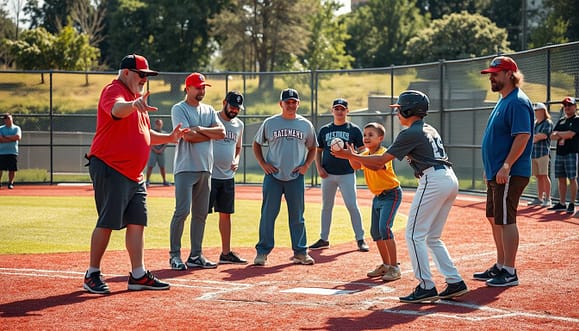
Let’s start with throwing. Instead of diving into complex biomechanics, use simple phrases like:
- “Show your elbow” – This helps kids understand arm positioning.
- “Point your glove” – Directs focus on aiming.
- “Step and throw” – Teaches proper footwork without jargon.
For fielding, keep it fun and memorable. Try using:
- “Alligator jaws” – A playful way to teach getting hands out for grounders.
- “Chomp down” – Reinforces securing the ball.
When it comes to hitting, classic cues work well:
- “Squish the bug” – A fun way to explain foot placement.
- “Door knocker knuckles” – Visualizes hand positioning.
Using the YMCA’s character words in your coaching adds depth. For example, if the word is “Respect,” say, “Respect your teammates by giving your best effort.” This teaches skills and builds character.
Consider using a practice plan download for organized practices. This approach makes every session purposeful and fun.
Keep practices light and fun. Avoid confusing jargon that might confuse young minds. By using simple cues and teaching character, you’ll create a lifelong love for the game.
Game day roles base coach dugout manager scorekeeper coordination
Game day turns you into a conductor, managing every detail. Your organizational skills will be put to the test. You’re not just a coach; you’re also a base coach, dugout manager, and sometimes a psychologist. Each role requires your full attention, even when parents are around. Let’s explore these roles in detail.
As a base coach, you must send runners confidently. Avoiding collisions at home plate is key. Clear signals are essential, and planning line-ups is important too.
The dugout manager role is vital. It’s like being a referee and babysitter at the same time. Keeping the bench calm is a big challenge. You’ll need to manage the team while signaling plays and watching the scorekeeper.
Scorekeeper coordination is an art. Make friends with the scorekeeper to avoid conflicts. Good communication with them is critical for a smooth game.
Before the game, follow the YMCA’s pre-game checklist. Wear identifiable clothes, check shin guards, and avoid jewelry. Warm-ups should start 15 minutes before the game to get players ready.
In blowout games, the YMCA’s Coaching in Blowout Games guide is helpful. It teaches you how to win graciously or lose with dignity, so everyone leaves happy.
| Role | Responsibilities | Key Skills |
|---|---|---|
| Base Coach | Send runners, signal plays | Clear communication, quick decision-making |
| Dugout Manager | Maintain order, signal plays | Leadership, multitasking |
| Scorekeeper | Track runs, communicate with coaches | Attention to detail, patience |
By the end of the game, you’ll have managed a chaotic symphony. And maybe, just maybe, the snack schedule won’t fail this time!
Equipment on a budget buckets tees nets first aid shade water
Who says you need a lot of money for youth baseball? You can get your team ready without spending much. This section is your equipment checklist for saving money. We’ll look at some smart, cheap options that won’t hurt your wallet.
Start with five-gallon buckets as portable tees. You can even paint them for fun! They’re useful and add color to your practice. Then, make your own nets from PVC pipes. They’re simple to make and cheaper than pizza.
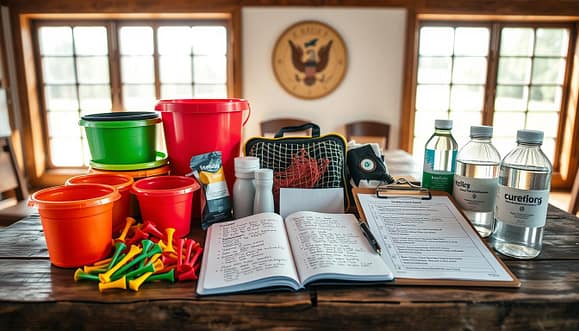
Next, get a pop-up canopy for shade on hot days. It keeps you safe from the sun. Also, have a good first-aid kit ready. Accidents happen, so be prepared.
Make sure you have enough baseballs. Losing three at practice is common. And don’t forget about the cones and pinnies. The YMCA might help, but having extras is smart.
Assign someone to handle the equipment. They’ll keep the first-aid kit full and the tent up. With this plan, you can get your team ready without spending a lot. You’ll show off your smart planning skills, too.
Parent meeting agenda expectations communication and volunteer signups
Welcome to the most important meeting of the season—your parent meeting. This is where you set the rules and expectations. You might even win over some parents with organic juice boxes. The agenda is your guide, covering everything from introductions to snack schedules.
Here’s a quick rundown of what to include in your parent meeting agenda:
- Introductions: Be friendly yet firm. Share your coaching philosophy—yes, we’re here for fun and growth, not just winning.
- Conduct Rules: Clearly state what behavior is okay. Uncle Steve, who yells at umpires, needs to know his limits.
- Communication Protocols: Stress the need for written updates. Weekly emails with game and practice info are key; group texts can lead to confusion.
- Volunteer Signups: Talk about roles for team parents and snack duties. Also, mention the dad who likes to enforce the rules in the dugout.
- Background Checks Texas: Reassure parents that all coaches have been checked and trained. This will help calm their worries.
By the end of this meeting, you should have a signed code of conduct and a volunteer list. Parents will understand the rules better, including what “equal playing time” means. This meeting is your chance to set the season’s tone and make sure everyone is in sync.
Behavior management positive coaching and conflict resolution
Coaching youth baseball is more about managing behavior than perfecting swings. You’ll meet kids who are shy, hyperactive, and parents who think their kids are stars. This guide helps you coach beyond just motivational sayings.
The YMCA’s “Seven Pillars” playbook is key. The Positive Competition pillar turns mistakes into learning chances. Instead of yelling at a player for striking out, praise their effort. This boosts confidence and encourages growth.
The Character Development pillar teaches honesty. When a kid claims a foul ball was fair, guide them to see the value of integrity. This lesson helps them grow beyond sports.
Handling conflicts is critical. If a parent yells at an umpire, stay calm. Remind them that only you talk to officials, as agreed upon by the YMCA. This helps avoid embarrassing situations.
Dealing with bullies is also important. Use the Belonging goal to include them without upsetting others. Teach teamwork and empathy. By the end of the season, your team will value sportsmanship over winning.
Inclusive coaching working with beginners and diverse needs
Every child should feel seen and valued on the field. Inclusivity is more than a buzzword; it’s what makes a kid love baseball for life. It’s about creating a sense of belonging, not just teaching skills.
Coaches often meet beginners who feel overwhelmed. Some have never held a glove, while others might be sensitive to loud noises. Our job is to make sure every child can thrive.
We draw from the YMCA’s “Sport for All” pillar. This means no discrimination and everyone plays at least half the game. Even the star pitcher might sit an inning to let the new kid learn.
Adapting drills is key. Beginners might just roll the ball back and forth, not chase a screaming line drive. Visual schedules and quiet zones in the dugout help kids with sensory sensitivities.
Here’s a quick reference table to illustrate some effective strategies:
| Strategy | Description | Benefits |
|---|---|---|
| Adapted Drills | Modify drills to suit skill levels. | Encourages participation and reduces anxiety. |
| Visual Schedules | Use charts to outline practice plans. | Helps kids understand what to expect. |
| Buddy System | Pair beginners with more experienced players. | Fosters peer learning and builds confidence. |
If you’re coaching your own child, remember: don’t be harder on them. Avoid turning the car ride home into a film session. Focus on the joy of the game. Inclusivity means every kid leaves with a sense of belonging.
For more resources on effective coaching strategies, check out best resources for youth baseball coaches.
Season calendar templates tournaments off days school testing
The season is a marathon, not a sprint. Without a solid calendar, you’ll be scrambling to schedule make-up games at the last minute. Use the season calendar templates to plan your practices around key events like school testing weeks and rainouts. It’s all about strategy. Why expect kids to focus on fielding grounders after hours of bubbling in Scantrons?
Using the YMCA’s PLAYERSPACE platform makes sharing schedules easy. This tool is great for sharing game times and practice updates. Plan an end-of-season gathering that truly celebrates growth. Highlight each player’s unique contributions, whether they were the star pitcher or the best dugout cheerleader.
Consult the Wilmette manual for tips on handling make-up games. Sundays are your ally, but be sure to coordinate with the league ahead of time. You don’t want to risk playing without an umpire—chaos awaits. Incorporate the YMCA’s “Words of the Week” into your calendar to instill character development. From Respect in Week 1 to Teamwork during tournament week, these words can help shape your team’s culture.
By the time you hand out those medals, you’ll have navigated the season with finesse. Every logistical challenge will have been met with strategic foresight. Ready to tackle the season with confidence? For more tips, check out the complete equipment guide to ensure you’re fully prepared.