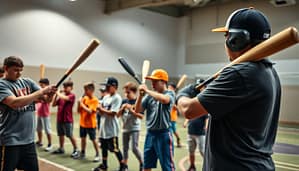
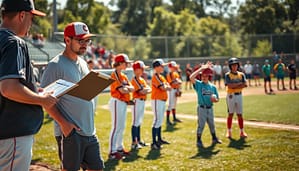
Five Tool Texas tournament weekends from San Antonio to Houston give coaches a clear classroom: real at-bats, defensive pressure, pitching choices, and recovery needs all show up fast. The lesson is not that kids need more games just for the sake of more games. The lesson is that every inning should tell a coach what to train next.
Texas youth baseball families know the rhythm. Pool play starts early, bracket play can run late, and a roster may face different arms, field speeds, and game situations in a short stretch. If a coach watches only the score, a weekend can slip away. If a coach tracks swing decisions, throwing effort, base running choices, and body language, the same weekend becomes a practical development plan.
Five Tool Texas Lessons For Weekend Development
Five Tool Texas Reps Need A Weekly Purpose
A tournament schedule can expose which skills are real and which skills only look good in practice. A hitter may drive coach-pitch rounds on Tuesday, then chase elevated fastballs on Saturday. An infielder may field clean ground balls during warmups, then rush the transfer with a runner moving. That gap is where training should begin.
Coaches should assign each player one or two game goals before the weekend. A leadoff hitter might focus on seeing the ball deep and getting a quality take early in the count. A corner infielder might focus on first-step angle and setting the feet before the throw. A young pitcher might work on strike one without trying to overpower every hitter. Treat Five Tool Texas games as skill checks, not just trophies or standings.
San Antonio To Houston Feedback Should Be Simple
Players do not need a lecture after every inning. They need short notes they can use. A coach can keep a small chart with three columns: what showed up, what caused it, and what drill fixes it. If outfielders are drifting instead of sprinting to the spot, the next practice needs drop-step reads and route work. If hitters are late on average velocity for the age group, the next cage session needs earlier load timing and front-foot control.
This is where tournament play helps Texas teams connect travel baseball to weekday development. Coaches looking for a broader practice link can build from Five Tool Texas lessons for youth and turn weekend observations into fielding, hitting, pitching, and poise work during the week.
Arm Care And Game Volume From Tournament Weekends
Pitching Limits Should Shape Practice Plans
Arm care starts before the first pitch of the weekend. Five Tool Youth Baseball states that athletes ages 6 through 14 are limited to a maximum of six games per weekend and that its model follows MLB guidelines for youth player health, according to the Five Tool Youth Baseball about page. That fact should guide how coaches plan pitching, catching, warmups, and Monday recovery.
A coach should not treat a tournament like a separate event from the training week. If a player throws meaningful pitches on Sunday, Monday should not be a high-volume throwing day. If a player catches multiple games, his legs, hips, and arm need recovery just like the pitcher’s arm does. The most useful coaching move may be writing the following week’s practice plan after checking who threw, who caught, who played in the heat, and who looked fatigued late.
Catchers And Two-Way Players Need Extra Attention
Texas teams often rely on athletic kids who can pitch, catch, hit near the top of the order, and play shortstop or center field. Those players are valuable, but they also carry a bigger workload. Coaches should track total stress, not just official pitches. Warmup throws, between-inning throws, long relays from the outfield, and catcher throws to second all add up.
A practical plan is to separate roles when possible. If a player pitches Saturday morning, avoid putting him behind the plate later that day unless your rules and roster situation clearly support it. If a catcher works a long game in the heat, give him a lighter defensive role in the next game when the roster allows. Player health is not soft coaching. It keeps the best athletes available and teaches families that development has a time horizon longer than one bracket.
- Before the weekend: Set pitcher availability, catcher plans, and likely relief options.
- During the weekend: Record innings, pitches, catcher workload, and visible fatigue.
- After the weekend: Build recovery, light throwing, mobility, and low-stress skill work into practice.
Training Facility Work That Matches Game Needs
Batting Cage Rounds With Game Targets
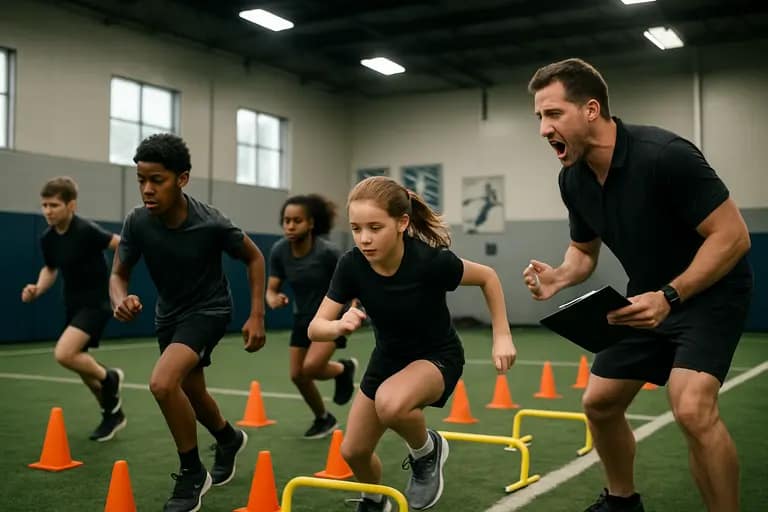
Indoor work matters most when it reflects what players saw in games. Elite Five Tool Fit lists memberships that include access to batting cages, weight rooms, and training equipment through Elite Five Tool Fit. For a Texas youth coach, that kind of facility access is most useful when the cage plan is tied to the last tournament.
If hitters are rolling over pitches on the outer half, do not spend the whole session on pull-side power. Set rounds for opposite-field line drives, back-side posture, and letting the ball travel. If hitters are late, use front toss and machine work to train earlier move timing without rushing the hands. The cage should not be a place where every swing is treated the same. It should answer the question the weekend asked.
Weight Room Habits For Young Players
For youth players, strength work should build movement quality first. That means body control, hip mobility, balance, trunk stability, and landing positions before chasing heavy loads. A 10U or 12U player who cannot hinge, lunge, rotate under control, or decelerate safely is not ready for advanced lifting goals. The weight room should support baseball skill, not compete with it.
Coaches can connect facility sessions to game skills in plain language. Better single-leg balance helps a pitcher hold posture down the mound. Stronger trunk control helps a hitter stay through the baseball. Cleaner squat and hinge patterns help catchers receive and block without wearing down as quickly. Young athletes buy in when the movement has a clear baseball reason.
For summer weekends with heavier travel and heat, coaches can also pair skill work with smarter planning. A related resource on summer tournament skills can help teams use warmups, bench time, and pool play as teaching windows instead of dead time.
How Five Tool Texas Lessons Travel Back Home
Turn The Scorebook Into A Practice Plan
The best post-tournament meeting is short, specific, and calm. Pick three team themes and three player themes. Maybe the team needs better communication on bunt defense, cleaner relay alignment, and more disciplined takes with runners on base. Maybe one player needs first-step outfield reads, another needs breaking-ball recognition, and another needs a pre-pitch routine at third base.
Then write the next two practices around those notes. Start with a movement warmup and throwing plan. Move into stations that match the problems: reads off the bat, base running turns, two-strike approach, double-play feeds, or pitcher fielding practice. End with a short competitive segment that forces players to use the skill under pressure. That is how Five Tool Texas tournament lessons become weekday improvement.
Keep The Development Message Clear For Families
Parents want to know why their child is batting lower, why a pitcher is held back, or why a catcher gets a rest game. Coaches should explain the standard before the weekend: roles may change based on health, matchups, effort, and development needs. That message reduces confusion and keeps the team focused on growth.
From San Antonio fields to Houston tournament weekends, the strongest programs are not always the ones with the loudest dugout. They are the ones that connect structure, arm care, facility work, and simple feedback. If coaches can turn each weekend into two better practices, players get more than games. They get a repeatable path for learning baseball the right way in Texas.