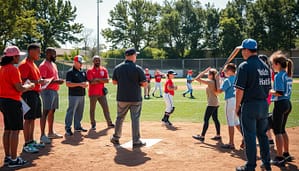
Let’s face it – most youth baseball clinics are a bit of a mess. You’ve got excited dads, not-so-ready facilities, and kids who’d love to be on TikTok.
But, there’s a way to make it work. We’ll use the Ripken Way’s skill development steps and IMG Academy’s top camp designs. We aim to make clinics that really help players grow, not just keep them busy for a few days.
By planning well, we can turn messy field days into places where players can really learn. Parents will be so grateful for these programs. They might even pay more to get their kids involved.
This is like combining Moneyball with summer camp planning. We’re creating a clinic plan that’s efficient and effective.
Clinic formats (single-day, weekend, multi-week)
Choosing your baseball clinic format is more than just scheduling. It’s about changing how players think and act. It’s like the difference between a quick tweet and a lasting Supreme Court ruling.
The single-day clinic is like fast food for baseball. It’s quick and forgotten soon. Players get a taste of learning, but it doesn’t stick.
Weekend intensives are better. They offer two to three days to really learn. This lets players build skills that become second nature. It’s like going from reading music to playing the piano.
But multi-week programs are the best. IMG Academy shows players in 4-6 week programs learn three times faster. It’s not just practice, it’s making skills a part of their brain.
The Ripken method has three key steps: observe, reinforce, and compete. You can’t rush this. Single-day clinics might teach observing, but they miss the reinforcement needed for skills to stick.
Think of it like memorizing a speech versus learning a language. One you forget, the other changes you. Your choice of format decides if you’re making players or just having expensive fun.
| Format | Skill Retention | Neurological Impact | Ideal For |
|---|---|---|---|
| Single-Day | Low (15-20%) | Surface learning | Introduction to concepts |
| Weekend | Medium (40-50%) | Pattern recognition | Skill refinement |
| Multi-Week | High (80-90%) | Muscle memory encoding | Transformative development |
Longer programs lead to “overlearning,” where skills become automatic. This is why IMG’s 6-week camps see such big results. The brain isn’t just learning, it’s becoming the skill itself.
Your camp schedule should be about brain science, not just convenience. Choose wisely – you’re not just planning fun, you’re shaping futures.
Staffing and coach-to-player ratios
Your coach-to-player ratio shows more about your baseball clinic’s quality than fancy bats. It’s the key to personalized instruction, not just a place to play.
The Ripken method calls for small groups. Why? It lets coaches really see and teach, not just yell from afar.
IMG Academy shows the power of one-on-one coaching. Their elite camps show how personal attention leads to real results. Would you learn complex skills from videos in a big room? Kids shouldn’t learn baseball that way either.
The right number isn’t random. It’s when each player gets enough attention for real learning to happen.
Quality teaching is different from just managing a crowd:
- 8:1 ratio – The max for real teaching
- 5:1 ratio – Best for learning new skills
- 3:1 ratio – Top-notch personal help
More than 8:1 is not a clinic, but a big mess. You’re not making parts, you’re making athletes.
Good coaches are just as important. They should:
- Have lots of teaching experience
- Know modern baseball mechanics
- Be able to give personal feedback
The right coach-to-player ratio makes your clinic stand out. It’s where real growth happens, one correction at a time.
Players remember the coach who fixed their swing, not your fancy gear.
Facility and Equipment Checklist (Indoor/Outdoor)
Your baseball clinic’s space is more than just a place. It shows what you believe in coaching. Spooky Nook Sports is huge, like a palace. But most of us have much smaller spaces.
The Ripken way teaches in places without sun glare or distractions. Imagine trying to teach with players squinting and ice cream trucks around.
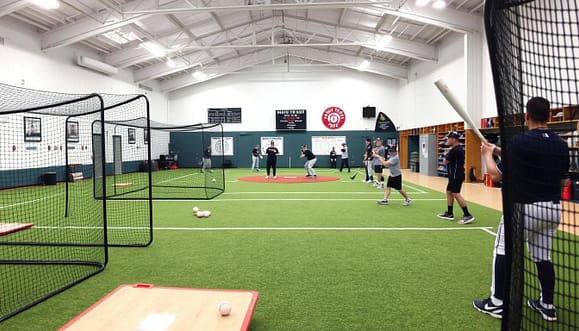
Indoor places are perfect because the weather is not a problem. Outdoor spots need plans for bad weather. Your choice affects how much you can focus on coaching.
Your equipment list should be smart, not just a list of things you want. You don’t need thirty pitching mounds for a hitting clinic. Each piece of gear must help your lessons.
Essential Facility Considerations
Good lighting is key. Bad lighting makes ground balls hard to see. You need space for clear views and for players to move.
The surface is important too. Uneven ground makes drills hard. Also, think about restrooms, water, and areas for parents to watch without getting in the way.
Strategic Equipment Planning
Equipment falls into three groups: must-haves, nice-to-haves, and things you don’t need. Focus on the basics that help your lessons.
Think about how drills flow. Equipment should help players move, not slow them down. Storage is important too, to keep things moving smoothly.
| Equipment Type | Indoor Clinic Requirements | Outdoor Clinic Requirements | Strategic Purpose |
|---|---|---|---|
| Batting Stations | Netting systems, turf mats | Portable cages, home plates | Safe hitting environment with clear feedback |
| Pitching Areas | Mound plates, rubber mats | Portable mounds, bullpen setup | Proper mechanics development |
| Fielding Space | Artificial turf, rebounders | Grass/dirt areas, cones | Ground ball and fly ball repetition |
| Baserunning | Sliding mats, agility markers | Bases, path markers | Speed and technique development |
| Safety Equipment | Wall padding, first aid stations | Sun protection, hydration stations | Injury prevention and quick response |
The right indoor setup turns your space into a place for growth. Every part should have a purpose, every piece of equipment a mission.
Remember, your space can help or hinder player growth. Choose well, plan smart, and keep a weather app ready.
Safety, waivers, emergency protocols
Post-COVID parents want more than just safety protocols. They want plans that are as detailed as NASA’s mission control. The old days of basic waivers and first aid kits are gone. Today, baseball clinics need to cover everything from allergic reactions to concussions.
Your liability waivers need a serious update. The old ones from the 1990s don’t offer much protection. Modern waivers should cover:
- Concussion protocols and return-to-play guidelines
- COVID-19 exposure acknowledgments
- Allergy and asthma emergency procedures
- Extreme weather evacuation plans
- Equipment malfunction responsibilities
The Ripken approach teaches that proper skill execution prevents injuries. But, you also need detailed emergency plans. Every coach should carry emergency contact sheets and know how to handle concussions.
Let’s compare old and new safety approaches:
| Safety Element | Traditional Approach | Modern Standard | Implementation Tip |
|---|---|---|---|
| Waiver Documents | Generic liability forms | Sport-specific risk acknowledgments | Include digital signatures for easy access |
| Emergency Preparedness | Basic first aid kit | Trauma kits with AED devices | Monthly equipment checks and restocking |
| COVID-19 Protocols | Optional sanitizing | Mandatory hygiene stations | Position stations at all activity areas |
| Weather Safety | Visual storm monitoring | Weather alert apps with sirens | Designate specific shelter areas |
| Injury Prevention | General stretching | Dynamic warm-ups specific to baseball movements | Rotate stations to prevent overuse injuries |
Every clinic should follow essential safety protocols for cage use. This includes proper spacing, netting checks, and foul ball retrieval.
Your emergency plan should be clear and practiced every quarter. Everyone should know their role in emergencies. This might seem too much until you really need it.
Remember, lawsuits don’t care about your good intentions. They look for documented protocols, trained staff, and precautions. Your safety measures should be so thorough that even the most worried parent will feel safe leaving their child with you.
Day-1 baseline skills tests
Day 1 baseline testing is like a detailed MRI for baseball development. It’s not just a simple test like the DMV written exam. We’re not just sorting kids into groups. We’re setting a path for their growth.
Most clinics see evaluations as a way to meet insurance rules. But the Ripken method shows us a better way. It’s about starting with a real assessment that guides the training. This approach focuses on growth, not just labels.
Without Day 1 tests, coaching is done in the dark. Running the same drills for all skill levels is like amateur hour. IMG Academy shows how to use these tests wisely.
Your evaluation sheets should track important data:
- Exit velocity measurements
- Pitching mechanics analysis
- Fielding efficiency metrics
- Baserunning decision timing
These numbers are more than just stats. They’re the start of a player’s personal growth plan. They’re like a medical chart for baseball, full of specific, measurable, and actionable data.
The table below shows the difference between professional and amateur evaluations:
| Assessment Component | Amateur Approach | Professional Methodology | Development Impact |
|---|---|---|---|
| Exit Velocity | Basic radar gun reading | Multiple swing analysis points | Identifies power development needs |
| Pitching Mechanics | Simple velocity measurement | Biomechanical efficiency scoring | Prevents injury, improves command |
| Fielding Assessment | Generic “good hands” notes | Footwork efficiency timing | Builds defensive foundation |
| Baserunning | Simple speed timing | Decision-making under pressure | Develops baseball IQ |
Your evaluation sheets should be living documents, not just paperwork. They guide every drill, correction, and conversation in the clinic.
The Ripken method uses this data to create personal plans. IMG Academy goes further by showing progress. This keeps players and parents engaged and convinced of value.
Quality evaluation sheets turn your clinic into a place of targeted development. They make the difference between just coaching baseball and truly developing players.
Remember, baseline testing is about the journey, not just the starting point. It’s about showing where players need to go and proving they got there.
Hitting Blocks by Age (Tee → Front Toss → Live)
Watching hitting instruction debates is like seeing Congress argue over pizza toppings. Everyone thinks their way is the best. But, hitting progression is really about how our brains and bodies grow.
Tee work is not just for beginners. It’s about learning the basics. Front toss is not just for those in the middle. It’s about getting the timing right. Live pitching is not just for experts. It’s about applying what you’ve learned in real games.
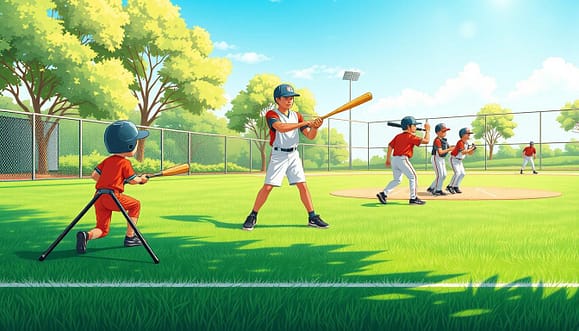
Why do IMG Academy’s hitting camps make better hitters? They follow how our brains and bodies grow. You wouldn’t teach advanced math before basic numbers. So, why start with live pitching before mastering basic movements?
Age-based hitting blocks create muscle memory foundations:
- Ages 6-8: Tee work is key. It’s about making movements consistent. The ball isn’t moving because their bodies are
- Ages 9-11: Front toss is next. It adds timing to what they’ve learned. But it’s without the surprise of live pitching
- Ages 12+: Live pitching is the final step. It’s not advanced. It’s just using what they’ve learned right.
The real magic is in the steps between. Going from tee to front toss too soon can mess up their mechanics. Skipping to live pitching before they’re ready makes it hard to recognize pitches.
Great hitting drills match up with when our brains and bodies are ready. Some 10-year-olds might need more tee work. Some 14-year-olds might need more front toss. It’s all about what each person needs, not just their age.
Your hitting blocks should follow how we grow. Rushing it can lead to bad habits that are hard to fix. It’s like trying to fix a big budget problem.
Pitching Blocks (Mechanics, Command, Safe Velocity)
Let’s talk about the real issue in youth baseball: too much focus on throwing fast. This can lead to more injuries than talent. We aim to make pitchers who can keep their elbows healthy until they’re 16.
The Ripken “five links of the chain” method is our guiding principle. It’s not just a theory but a detailed plan for growth. It’s like the law for pitching mechanics: build the right structure first, then fill it in.
Our pitching blocks have three key steps: mastering mechanics, then command, and lastly, increasing velocity. This order is not about holding back but about making careers last. Without command, even the fastest pitches are empty.
First, we focus on mechanics with specific drills. We break down the pitching motion into easy-to-follow parts, using the Ripken chain as our guide:
- Balance and posture establishment
- Arm path and timing synchronization
- Lower body drive mechanics
- Follow-through and deceleration
- Recovery and reset protocol
IMG Academy’s arm care philosophy shapes our whole approach. Their pitching camps show that being efficient isn’t just about doing well – it’s about staying healthy. We add their arm care routines to our drills, to avoid the worst-case scenario for parents.
After mastering mechanics, we work on command. This is where drills turn into strategic play. We use challenges, target sequences, and game-like situations to hone skills.
Our final phase is safe velocity development. It’s the result of good mechanics and precise command. We focus on efficient energy transfer, not just throwing hard. We track progress through mechanics, not just speed.
The shift in focus is clear: from just throwing fast to building a lasting career. Our pitching blocks show that growth doesn’t mean sacrificing health. In pitching and politics, lasting success beats short-lived fame every time.
Defense and baserunning stations
Defense and baserunning stations often get ignored, like a gym membership that’s never used. They promise a lot but deliver little. Watching runs disappear due to poor defense can really hurt your team’s momentum.
The Ripken method makes complex movements simple. Phrases like “Wide base, butt down, hands out front” become automatic under pressure. They’re not just words; they’re mental cues.
Station work helps turn hard work into natural talent. It’s like muscle memory on steroids. IMG Academy’s camps show that defense is just as important as hitting and pitching.
Your defense stations should make players smarter through practice. Start with basic drills and then add game-like scenarios. The aim is to make players think ahead, not just wait for batting practice.
Effective defense stations include:
- Ground ball progression: stationary → moving → game speed
- Double play turns with timing emphasis
- Outfield angles and crow hops
- Communication drills for pop-ups
Baserunning stations are often overlooked, but they’re key to gaining ground. Good baserunning can turn singles into doubles and force defenses into mistakes.
Your baserunning rotation should cover:
- Lead breaks and secondary leads
- Rounding bases with efficiency
- Slide progression: breakdown → practice → full speed
- Reading pitchers and defensive alignments
When defense and baserunning stations work together, magic happens. Outfielders practice hitting cutoffs, while baserunners learn to read throws. Infielders work on double plays, and runners practice their breaks. It’s not just drills; it’s building baseball smarts.
Poor defense can really hurt your team’s morale. Quality defense and baserunning stations are essential. They support everything your team does at the plate.
Progress tracking and scorecards
Most youth sports progress reports are like cotton candy at a state fair. They look good but offer little substance. Parents often wonder what they got for their money.
The Ripken approach views skill development like the stock market. It sees growth with occasional corrections. Your evaluation sheets should show this, not just give out participation trophies in spreadsheet form.
Some clinics give out “great effort!” notes on every sheet. Coaches might be thinking about how to get away from a player’s bad throwing motion. This is not honest and is a big problem.
- Diagnostic clarity showing both achievement and improvement areas
- Measurable metrics like exit velocity or pitching accuracy
- Transparent communication that builds trust instead of hiding the truth
IMG Academy’s parent reporting model shows how important honesty is. When parents see real data, not just praise, they see the real value. These evaluation sheets make a big difference. They show if a clinic is focused on development or just a place for kids to play.
The best progress tracking turns opinions into facts. It answers the question parents secretly ask: “Is my child really getting better, or just getting older with a bat?” Your evaluation sheets should tell the truth in a helpful way.
Pricing, registration, communication
Your pricing strategy is more powerful than any marketing can be. It’s like a silent auction where parents bet on their child’s future. IMG Academy shows that parents are willing to pay more if they see value.
Think of your pricing as a three-act play. The first act shows the value. The second act proves you’re better than others. The third makes parents feel they made a smart choice.
Registration should be easy, not like trying to navigate a complex website. Parents already deal with enough bureaucracy. Make your process smooth, like a perfect double play.
Here’s how different registration methods compare:
| Registration Type | Parent Experience | Conversion Rate | Admin Overhead |
|---|---|---|---|
| Traditional Paper Forms | Like filing taxes manually | 35-45% | High |
| Basic Online Form | DMV website on a good day | 50-60% | Medium |
| Optimized Digital Process | Amazon one-click ordering | 75-85% | Low |
| Premium Experience | First-class boarding feeling | 85-95% | Very Low |
Good communication isn’t just sending daily updates. It’s about showing progress with data that impresses anyone.
Your messages should do three things:
- Show measurable development (not just happy kids)
- Reinforce the value of their investment
- Build anticipation for future clinics
The registration process should show your clinic’s quality. If your forms look old, parents might think your coaching is too.
Spooky Nook’s camp registration is a great example. It makes parents confident in their investment before they see anything. That’s the perfect balance of convenience and confidence.
Parents aren’t just paying for baseball lessons. They’re buying peace of mind that their investment will improve their child’s skills. Your systems should work together so well that parents feel like they’re part of their child’s progress.
The ultimate test is if your systems impress a skeptical parent. If not, it’s time to rethink your approach.
Post-clinic follow-up and retention plays
The clinic is over, but the real challenge starts now. Most youth sports programs fail here. They send a simple “thanks” email with a discount code.
But Spooky Nook Sports does it differently. They focus on results, not just sales. Parents want to see their kids improve, not just get discounts. Your follow-up should show you care about their growth.
Send personalized progress reports and offer specific drills. Show you’re committed to their long-term success. IMG Academy uses multi-week programs to keep momentum going. You can build strong relationships with thoughtful messages.
Retention isn’t just a marketing tactic. It’s about real improvement. The best referral is a player who clearly got better. That’s how you turn a weekend clinic into a lasting partnership.