Summer Tournament Skills should mean more than playing three or four games, eating between brackets, and hoping the bats wake up. For Texas youth baseball coaches, summer tournament weekends can become a working classroom if every inning has a purpose. The goal is not to turn kids into robots. The goal is to connect practice habits to real game pressure, then give players simple feedback they can use before the next pitch, next at-bat, or next game.
Building Summer Tournament Skills Before First Pitch
A tournament plan starts before the team pulls into the parking lot. Coaches should decide which baseball skills are being trained that weekend, then communicate those priorities to players and parents. If the focus is defensive communication, every warmup, pregame talk, and postgame note should return to that target. If the focus is two-strike hitting, players need to know what a quality at-bat looks like before they face live pitching.
Pick Two Team Priorities
Trying to fix everything during a tournament usually means fixing nothing. A youth team can track two priorities without turning the dugout into a classroom. Good tournament priorities include first-step reads in the outfield, infield footwork before the throw, catcher blocking posture, baserunning decisions, or pitch selection at the plate. Coaches can still teach the rest of the game, but the weekend needs a clear center.
Other youth sports use summer settings the same way: structured time, targeted skill work, and age-appropriate coaching. United FC Michigan lists a four-day U7 to U12 skills camp designed around technical skills, tactical awareness, and overall performance, according to its summer camp information. That is a soccer example, not a baseball rule, but the coaching idea travels well: short-term summer programs work better when the training target is named.
Use Warmups As Instruction Time
Warmups are often treated like dead time. In a summer baseball tournament, they can be the best teaching window of the day. A coach can turn catch play into footwork work by requiring every player to catch, replace the feet, and throw through the target. Outfielders can work drop steps before long toss. Infielders can rehearse fielding outside the left foot, funneling to the center, and throwing with rhythm.
For hitters, the cage or soft-toss area should match the day’s goal. If the team is working on contact with two strikes, batting practice should include shorter moves, opposite-field rounds, and situational counts. If the goal is attacking fastballs early, the coach should say it out loud and feed pitches that let players train that decision.
Turning Pool Play Into A Development Lab
Pool play gives coaches a chance to develop players without losing sight of competition. That balance matters in Texas youth baseball, where tournament weekends can bring tight schedules, roster management questions, and plenty of family expectations. Coaches should still compete, but each game can carry a player development assignment.
Track Behaviors, Not Just Results
Box scores can hide progress. A player may line out twice and still have the best approach on the team. Another player may reach base on a bloop hit while chasing poor pitches. Coaches who want real skill growth should track behaviors that players control. Did the hitter swing at a good pitch? Did the shortstop move before contact? Did the pitcher stay balanced after a walk?
A simple chart can help without slowing down the dugout. One assistant or parent scorekeeper can mark quality at-bats, first-pitch strikes, clean pre-pitch steps, and baserunning reads. Those notes give the head coach something useful to say between games. They also keep the team from judging players only by hits, errors, and runs.
Rotate Roles With A Purpose
Summer tournaments can expose players to different roles, but rotation should not feel random. A coach might let a developing infielder play second base in an early pool game, then use the player in a familiar spot later. A catcher may need innings behind the plate, but the coach should also protect the player from fatigue by planning time at another position. The point is to give meaningful reps, not to move kids around just to say everyone moved.
For more structure during the week before a tournament, coaches can connect weekend goals to a practice rhythm like this weekly practice schedule for youth baseball coaches. Tournament development works best when weekday work and weekend feedback speak the same language.
Summer Tournament Skills Between Games
Summer Tournament Skills do not grow only during live innings. The time between games can either drain a team or sharpen it. Coaches should avoid long lectures after emotional games. Players usually need water, shade, food, and a mental reset before they need a speech. Once the group settles, a short review can connect the last game to the next one.
- One fix: Give each player one clear adjustment, such as “start your load earlier” or “open your hips before the throw.”
- One strength: Name something the player did well so the feedback does not sound like a complaint list.
- One team reminder: Repeat the weekend priority before the next warmup begins.
Small group work is useful here. A coach can take three infielders and rehearse feeds for five minutes. Another coach can work with two hitters on timing. A catcher can review signs and blocking angles with the pitching coach. The session should be short enough that players still recover for the next game.
Access to experienced coaching is a clear feature of many summer sports programs. Sports Culture FC Academy says it provides training for ages 5 to 18 with UEFA-certified coaches on its academy site. Again, that is not a baseball claim, but it supports a practical coaching point: summer development improves when instruction is clear, consistent, and age-aware.
Coaching Adjustments During Bracket Pressure
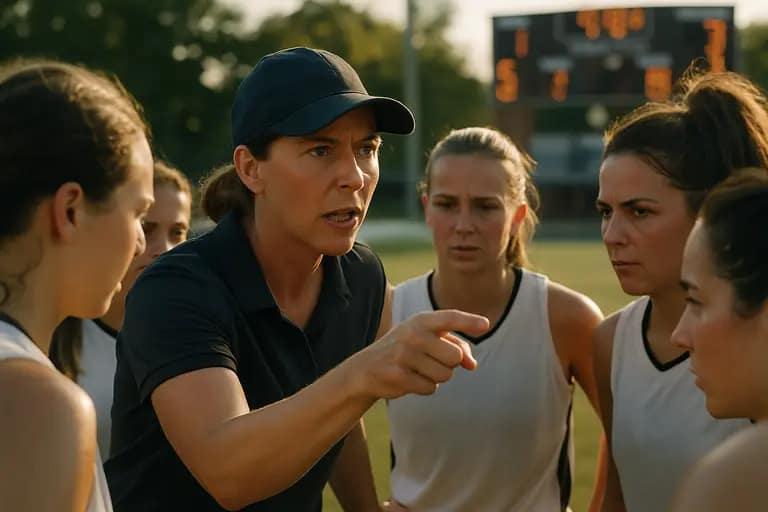
Bracket play changes the feel of the day. Players press. Parents get louder. Coaches may feel tempted to manage every pitch like a championship final. That is where development can disappear if the staff has no plan. A strong coach keeps teaching, but chooses shorter words and calmer timing.
Use Dugout Language Players Can Repeat
Good tournament coaching uses phrases players understand under stress. “See it up.” “Win the next pitch.” “Feet first, hands second.” “Throw through the chest.” Those cues are better than a long mechanical breakdown while the player is still thinking about the last error.
For hitters, coaches should avoid giving three swing thoughts before an at-bat. One cue is enough. A player might need “start earlier” or “stay through center.” For pitchers, the cue may be “finish over the front side” or “breathe before the sign.” The more pressure in the bracket, the simpler the instruction should become.
Keep Player Development In The Lineup Card
Lineup choices can teach players what the team values. If a player has shown better focus, stronger communication, or improved practice habits, a coach can reward that with a meaningful role. That does not mean ignoring performance. It means showing players that preparation matters. Coaches working through tournament pressure may find useful ideas in this piece on competition coaching for Texas youth, especially when feedback has to stay clear during bracket play.
Summer Tournament Skills work best when players know they are being coached, not judged. A player who fails in a big spot can still grow if the coach turns the moment into a teachable pattern: what was the situation, what was the choice, what should happen next time?
Player Notes That Carry Into Fall
The best tournament development does not end when the team packs the wagon. Coaches should keep short player notes after each weekend. These notes do not need to be fancy. They should be honest, specific, and useful for the next practice block.
Build A Three-Line Player Report
A practical player report can include three lines: current strength, current growth area, and next drill. For example, a coach might write that a third baseman attacked slow rollers well, needs cleaner footwork on backhand plays, and should work angled glove drills next week. For a hitter, the report might note good strike-zone awareness, late timing against firm pitching, and front toss with earlier load work.
This keeps the summer from becoming a blur. Parents also appreciate feedback that names a skill instead of saying only “he played well” or “she needs work.” Coaches should share notes in a calm setting, not in the parking lot right after a loss.
Let Players Own One Goal
Young players need ownership. Ask each player to choose one goal for the next tournament. It should be specific and observable. A pitcher might aim to get ahead with first-pitch strikes. A catcher might focus on blocking with the chest square. A hitter might commit to swinging only at pitches in a chosen zone until two strikes. Those goals make development visible.
Summer Tournament Skills become part of a player’s identity when the player can explain the work. If a 10U player can say, “I am working on getting my feet set before I throw,” that player is learning how to train, not just how to play.
Why Summer Tournament Skills Matter For Texas Teams
Texas baseball families invest time, travel, and energy into summer tournament weekends. Coaches owe them more than a lineup and a postgame speech. A good tournament plan turns every phase of the day into development: pregame warmups, pool play, bracket pressure, between-game resets, and next-week practice notes.
The win still matters. Players should learn to compete hard, handle pressure, and support teammates when the game gets tight. But the scoreboard should not be the only teacher. Summer Tournament Skills give coaches a way to connect competition with instruction, and that connection is where young baseball players start to grow with purpose.